The University of Northern Philippines, through the College of Teacher Education (CTE), brought together students, faculty members, indigenous student representatives, and partner organizations for Indigenous Peoples Convergence 3.0 on November 13, 2026 at the Academic Building Function Hall, celebrating indigenous heritage, deepening cultural awareness, and strengthening collective efforts to protect the environment.
A ceremonial opening of the Indigenous Booths led by Dr. Ma. Teresa Susan Manzano, CTE Dean, and Mr. Cris Vincent Baday, president of the UNP Indigenous People Student Association (IPSA) was held. Featuring indigenous materials and cultural exhibits, the booths offered participants an opportunity to discover, appreciate, and gain a deeper understanding of indigenous heritage.
In her opening remarks, Dr. Ma. Teresa Susan L. Manzano, CTE Dean, welcomed the participants and highlighted the significance of bringing the university community together to recognize and celebrate indigenous heritage.
Meanwhile, Mr. Christian Dem Haluber, adviser of the Future Early Childhood and Special Needs Teachers’ Organization, presented the rationale and objectives of the convergence, stressing the need to uphold the identity and rights of indigenous peoples, preserve their cultural traditions, and recognize their invaluable contributions to society.
A key component of the convergence was the session on Indigenous Peoples’ Rights and Cultural Preservation, where Mr. Cris Vincent Baday, president of the Indigenous People Students’ Association (IPSA), introduced various indigenous textiles and musical instruments, providing participants with insights into their cultural significance and traditional uses. He also demonstrated the proper wearing of the tapis and baag, while sharing perspectives on the customs, traditions, and lived experiences of indigenous communities.
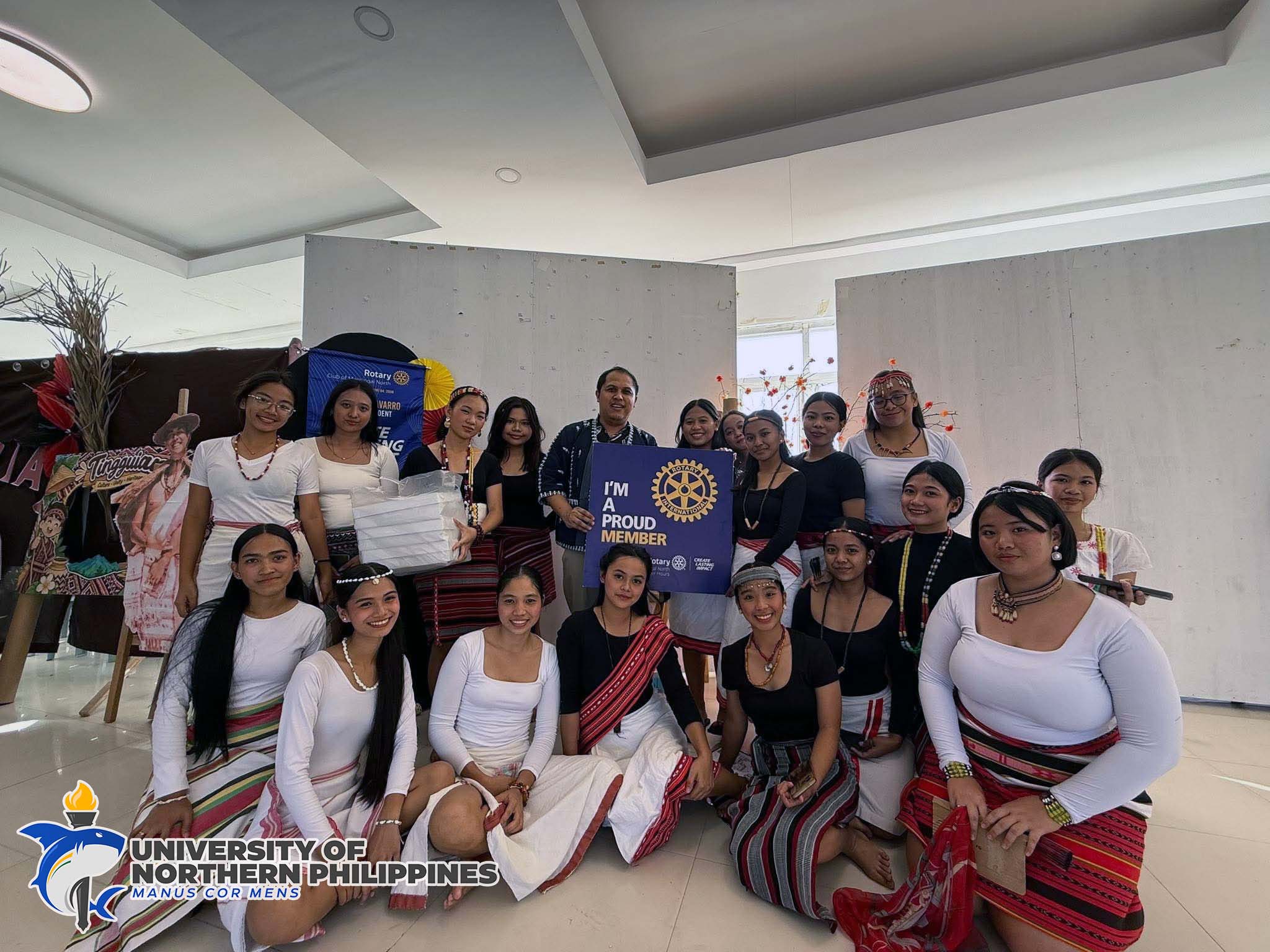
Adding vibrancy to the celebration, students from the Bachelor of Early Childhood Education (BECED) and Bachelor of Special Needs Education (BSNED) presented indigenous dances and songs that highlighted the richness of traditional artistic expressions. The activities also featured the Search for the Best in Indigenous Attire, showcasing the diversity, distinctiveness, and cultural significance of indigenous clothing.
Mr. Raymark Querubin, Vice President of the Ilocos Sur Environmental Enthusiasts–Vigan Chapter, discussed the vital role of indigenous wisdom in environmental protection and sustainable development. He emphasized how traditional knowledge, values, and practices passed down through generations provide valuable lessons in conserving natural resources, maintaining ecological balance, and promoting responsible environmental stewardship.
In her closing remarks, Dr. Fely de Guzman, Program Head of BECED and BSNED, called on participants to deepen their appreciation of cultural diversity, uphold solidarity, and embrace their shared responsibility in protecting and preserving indigenous heritage.
Through Indigenous Peoples Convergence 3.0, the College of Teacher Education reaffirmed its commitment to prepare future educators who are culturally responsive, recognize and respect indigenous identities, uphold the rights of indigenous communities, and actively contribute to passing their rich cultural heritage on to future generations.
Article by Anastacia Joven.