AquaMarine Resources Research and Development Center
AquaMarine Resources Research and Development Center

CENTER CHIEF: ADORA G. ILAC
STAFF:
- JOANNA MAE S. FORONDA
- GELY V. DANCEL
- JOVENCIO A. CORRALES, JR.
About the Center
The AquaMarine Resources Research and Development Center (AMRRDC) is one of the four research centers of the University of Northern Philippines, operating under the University Research and Development Office. Established through Board Resolution No. 092, S. 2019, the Center focuses on the conservation and sustainable utilization of marine and freshwater resources. Its satellite field station is located in Nalvo, Sta. Maria, Ilocos Sur, and is equipped with conservation and production facilities such as the Bureau of Fisheries and Aquatic Resources (BFAR)-funded Milkfish Nursery and two university-owned fishponds.
These facilities serve as medium- and long-term conservation sites for aquatic genetic resources—particularly milkfish, oysters, crabs, and sea urchins—used for research, education, and livelihood development. The Center also serves as a venue for student training and community engagement, supporting the University’s environmental and socio-economic sustainability objectives.
VISION
The Aqua-Marine Resources Research and Development Center (AMRRDC) envisions itself as a world-class R&D facility in Agri-fishery and related areas.
MISSION
Through the use of state-of-the-art facilities, AMRRDC conducts outcome-oriented R&D in aqua-marine and related fields to advance knowledge, produce quality outputs, and generate technologies that support livelihood development and enhance the economic resiliency of communities.
OBJECTIVES
- Develop and generate new technologies through research in various aqua-marine fields.
- Advance mariculture of high-value species (e.g., grouper, caranx, seabass, rabbitfish, mudcrab, prawn/shrimp, sea urchins, sea cucumbers, and seaweeds), including development or refinement of culture systems, post-harvest processing, value-adding, new product development, mechanization, and automated systems for feeding and culture management.
- Conduct and disseminate research on fish stock assessment, biodiversity assessment, health management of aquaculture species, socio-economic studies, ecosystem-based fisheries management, and climate change adaptation and mitigation, using qualitative, quantitative, and bioinformatics approaches.
- Establish a marine laboratory station as a learning and training venue for students in biology, marine biology, environmental science, and related fields.
- Strengthen partnerships with local government units, particularly in Ilocos Sur, to advance aqua-marine R&D and promote poverty alleviation.
- Sustain and expand collaborations with research agencies and institutions such as DOST-PCARRRD and BFAR to enhance aqua-marine development.
- Provide gender-responsive training in aqua-marine and related areas, focusing on technology transfer to stakeholders, especially marginalized sectors.
- Offer consultancy and technical assistance to fishers, farmers, and other marginalized groups, including access to facilities that enhance skills and participation in development initiatives.
- Produce publications and information-education-communication (IEC) materials for stakeholders.
- Promote tourism integration through techno-demo set-ups, such as sea urchin cage culture, to support local economic development.
PRIORITY AREAS OF THE AQUAMARINE RESOURCES RESEARCH AND DEVELOPMENT CENTER
Biodiversity Assessment
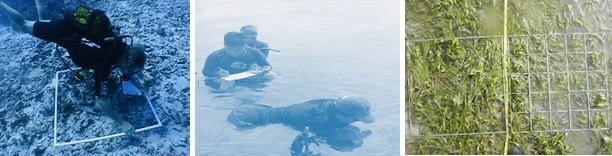
Biodiversity plays a vital role in supporting human life by providing essential resources such as food and medicine. However, climate change, environmental variability, and human activities continue to threaten ecosystems, highlighting the urgent need for biodiversity assessment studies.
Given the rich coastal ecosystems of the country and the province—such as coral reefs, mangroves, and seagrass beds—the University, through the AMRRDC, encourages research focused on biodiversity assessment in aquamarine habitats. Assessing biodiversity is essential for identifying priority areas for conservation, guiding management strategies, and promoting sustainable and climate-resilient practices to protect and conserve marine and coastal resources.
Aquaculture Technology Development and Innovation
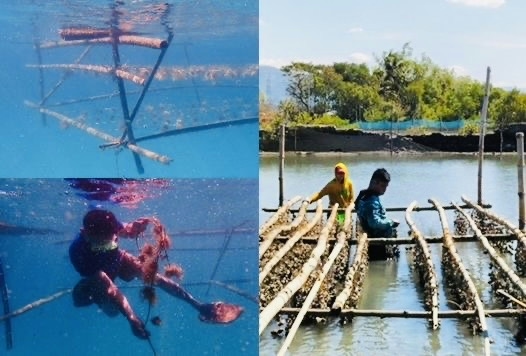
Research on the development and improvement of aquaculture production is a key priority of the University through the AMRRDC. This includes the cultivation of fish, mollusks, seaweed, and other aqua-marine commodities, with a focus on introducing new technologies and improving existing methods to enhance productivity and provide sustainable livelihood opportunities for coastal communities.
Past initiatives, such as sea urchin and oyster cage culture, have been successfully adopted by local fisherfolk, demonstrating the potential of research outputs to support community-based income-generating projects. Ongoing innovation and technology adaptation continue to strengthen aquaculture production and contribute to sustainable coastal resource management.
Production and Post-harvest Management
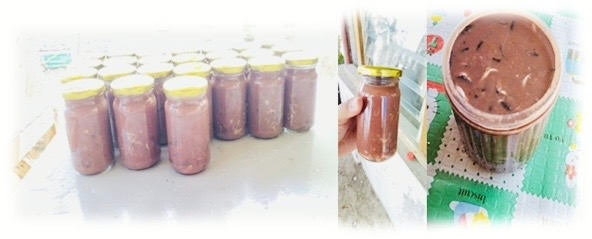
Research on post-harvest management focuses on ensuring the quality, safety, and marketability of aquaculture and fishery products. This includes studies on product quality assessment, supply chain analysis, food safety, shelf-life, and good manufacturing practices in handling, processing, packing, and labeling. In addition, product development and value-adding through the adoption of new technologies and innovation of existing methods are emphasized to enhance commercialization opportunities, expand markets, and support sustainable livelihoods for coastal communities.
Socio Economics and Policy Development
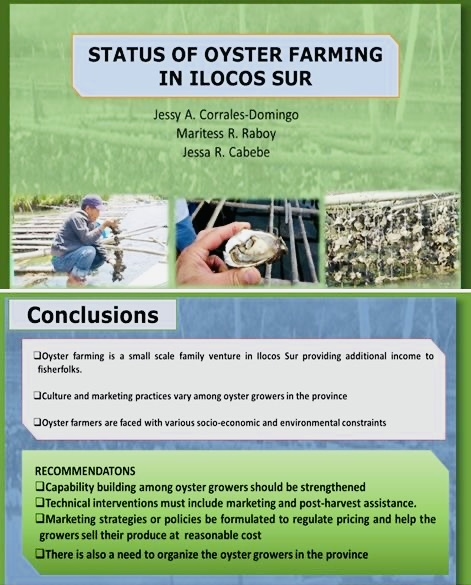
This priority area focuses on the sustainable management of aqua-marine and fishery resources and their effects on livelihoods and community well-being. It considers biological, economic, social, and governance factors that influence fisheries and coastal communities.
Understanding the condition of the fishery sector provides a basis for developing appropriate livelihood and business interventions, as well as for supporting evidence-based policies, management plans, and strategies that improve the quality of life of fishing communities.
Researches
Completed
- (2025) Marine Macrobenthic Algae of the Coast of Ilocos Sur, Philippines
Ayop, A., Ilac, A., Foronda, J.M., Paranada, J.A., Rojas, C., Barcesa, K. O.
- (2025) Drivers and Pressures on Seaweed Resources in Selected Coastal Areas of Ilocos Sur
Venezuela, C. B.
- (2025) Development of Pocpoclo (Codium sp.) Ice Cream
Batin, J.
- (2025) Economically important marine algae and invertebrates in Nalvo, Sta. Maria, Ilocos Sur
Segismundo, A., Pula, J.C.
(2023-2020)
- Exploring the Growth of Gracilaria Using Raft Culture Method
Ilac, A., Foronda, J.M., Ayop, A., Europa-Morales, A.L., Ruadap, M.E.
- Development of Sea Urchin Value-added Products
Segismundo, A., Pula, J.C., Domingo, J.C., Raboy, M.
- Biophysical and Chemical Analysis of Oyster Grounds in Ilocos Sur
Pagaoa, C.P., Barcesa, K.O., Rojas, C, Agsalog, B.
- Comparative Growth Performance of Oyster Using Different Culture Methods
Venezuela, C., Domingo, J.
- Women in Coastal Communities: A Study on Women’s Coping Strategies on Covid-19 Pandemic
Domingo, J., Tacbas, D.M., Cabebe J.
- Women’s role in the Culture and Traditions in Fishing Industry of Ilocanos
Ayop, A., Paranada, J.A. Venezuela, C., Garcia, G., Betita, C.
ongoing
- The Development of Powdered Milkfish (Chanos chanos) Scale as Lip Balm
Piamonte, A., Magdato, F.D.
- Development and Nutritional Analysis of Seaweed Chips Enhanced with Strawberry, Mango and Carrot Purees
Banilad, C., Rocero, J. Tabin, J. Tuzon, F.
- Development of Gracilaria-enhanced Chips
Ilac, A., Foronda, J.M., Ayop, A., Pula, J. C., Pagaoa, C. P
- Development of Gracilaria-Enhanced Kimchi
Ilac, A., Pula, J. C., Foronda, J.M., Ayop, A.
- Women in Codium Industry: A Comparative Analysis of their Roles and Contributions
Betita, M.C., Ilac, A., Foronda, J.M., Ayop, A.
- Mollusks Biodiversity in Salomague Island‘s Intertidal Zones
Ilac, A., Gomez, R.
AMRRDC PRODUCTS
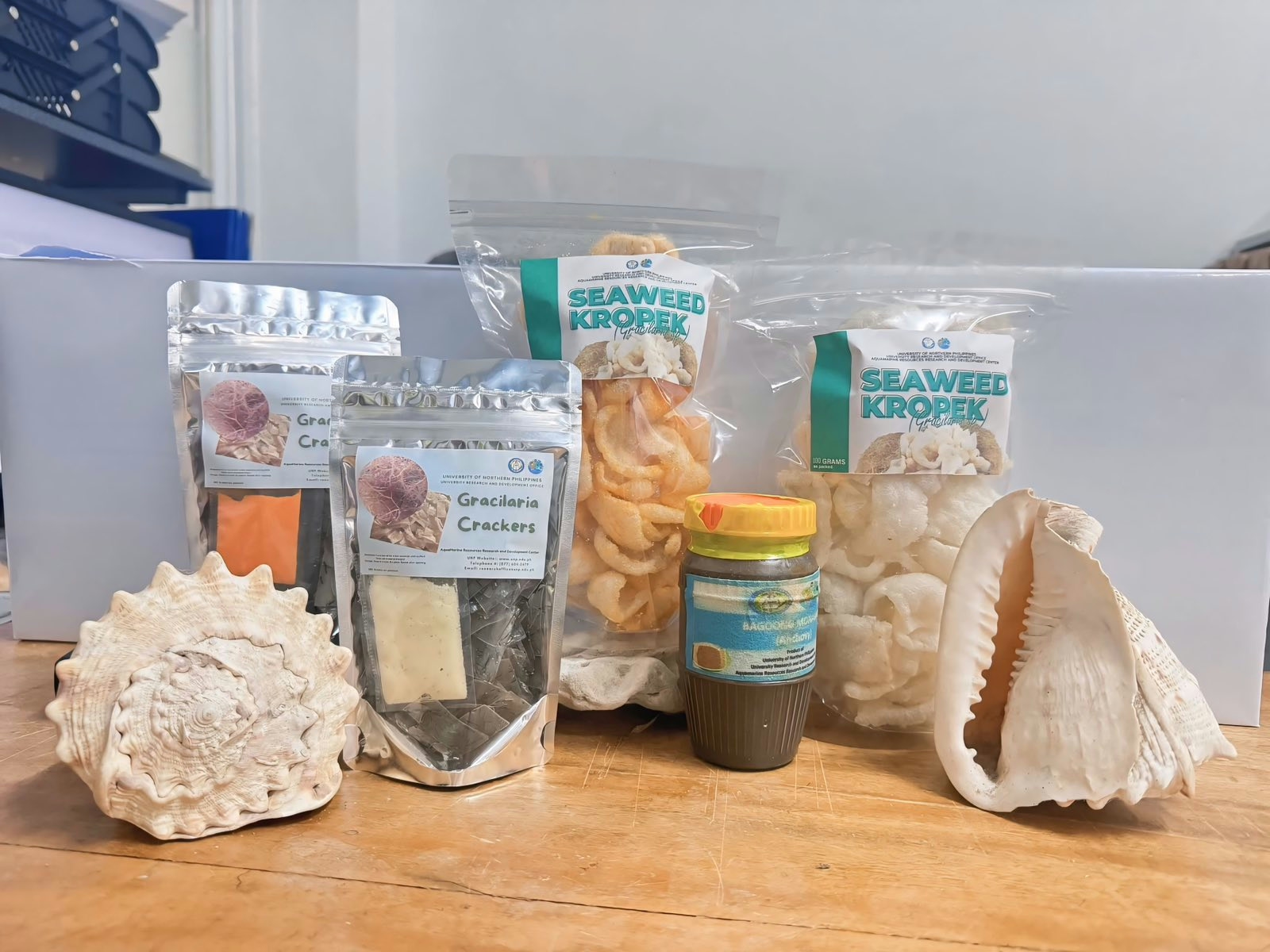
Kropek and Bagoong Monamon
Gracilaria Kropek are crispy seaweed-based snack innovations enhanced with Gracilaria, offering a light and flavorful crunch. Available in Plain, Cheese, and Sour Cream, these kropek highlight the versatility of seaweed and its potential as a sustainable ingredient for developing unique and nutritious food products.
Read More
Bagoong Monamon is a traditional Filipino fermented fish condiment made from salt-cured anchovies, offering a rich, savory flavor and distinct aroma. Commonly used as a dip, seasoning, or ingredient in sautéed dishes, it adds depth and authentic coastal taste to a wide variety of Filipino meals.
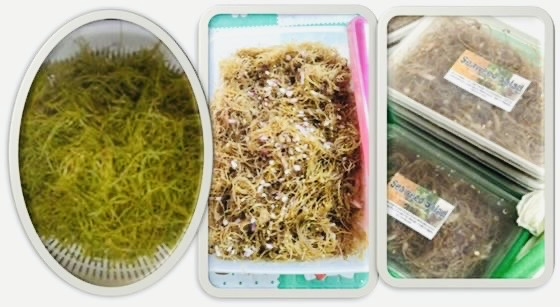
Gracilaria Salad
Gracilaria Salad is a fresh and nutritious seaweed dish made from Gracilaria, offering a crisp texture and naturally clean ocean flavor. Tossed with simple seasonings, it provides a healthy, refreshing option that highlights seaweed’s versatility as a sustainable food ingredient.
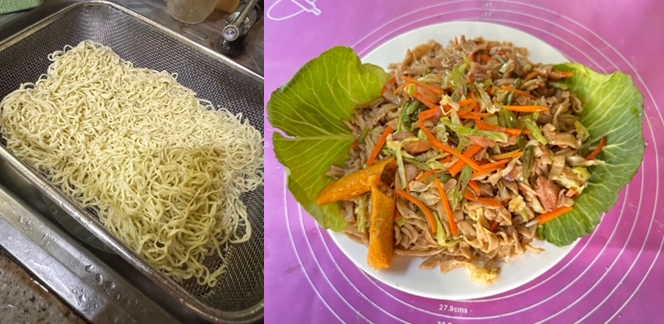
Gracilaria-enhanced Fresh Pancit Noodles
Gracilaria-Enhanced Fresh Pancit Noodles are formulated by incorporating Gracilaria seaweed puree into traditional noodle preparation. This innovation not only boosts the nutritional value of traditional pancit but also promotes the use of sustainable marine resources in food products.

Gracilaria-enhanced Ice Cream
Gracilaria-Enhanced Ice Cream is a creamy dessert infused with Gracilaria seaweed, offering a unique flavor twist and smooth texture to the traditional treat. This innovation not only introduces a novel way of enjoying ice cream but also promotes the creative use of sustainable marine resources in food products.
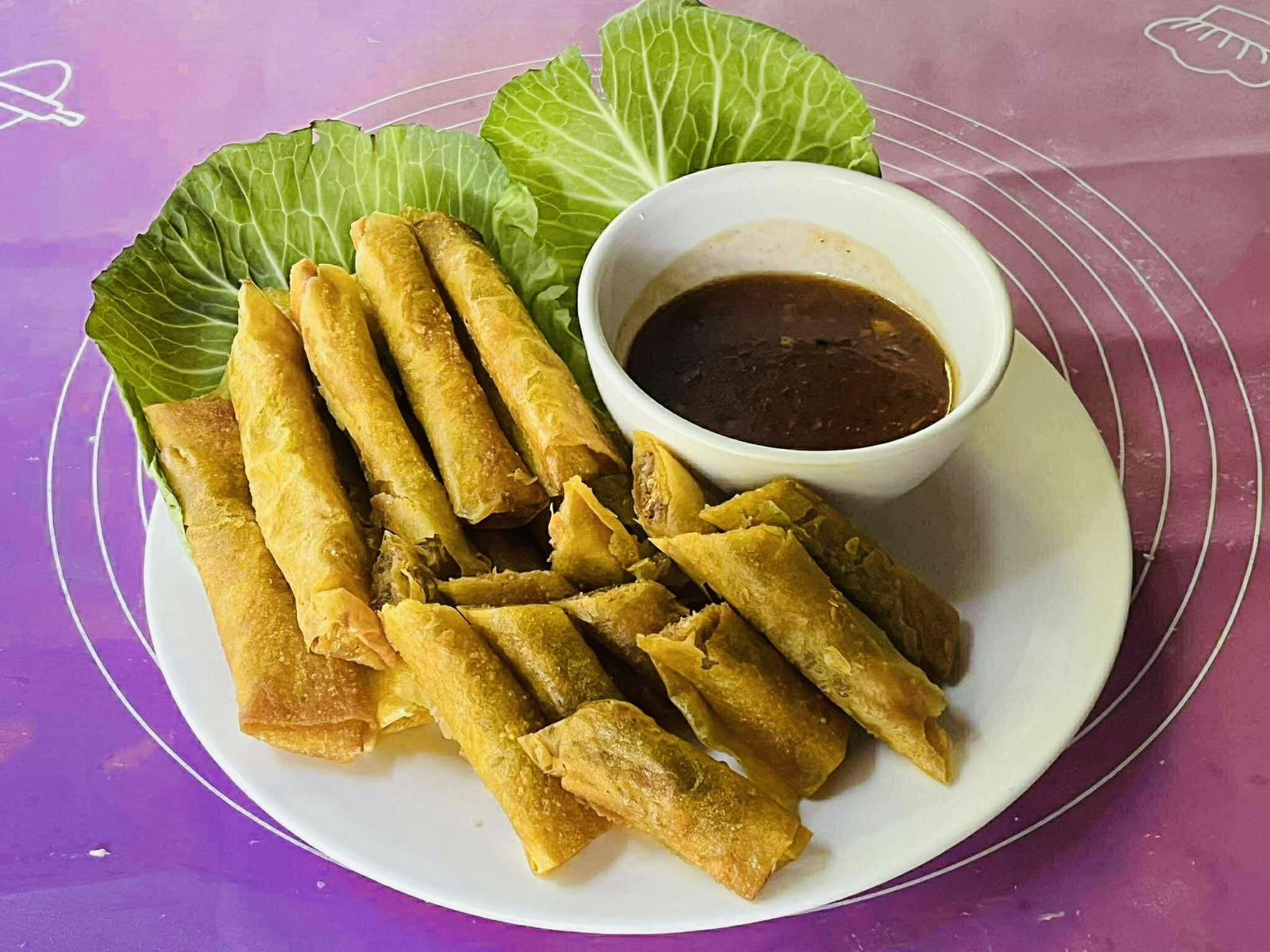
Gracilaria-enhanced Fish Shanghai
Gracilaria-Enhanced Fish Shanghai is a flavorful version of the classic spring roll, innovated with Gracilaria seaweed blended into its filling. This enhancement adds a unique touch to the traditional fish shanghai while showcasing the potential of sustainable marine resources in food innovations.