Mushroom Research and Development Center

MRDC

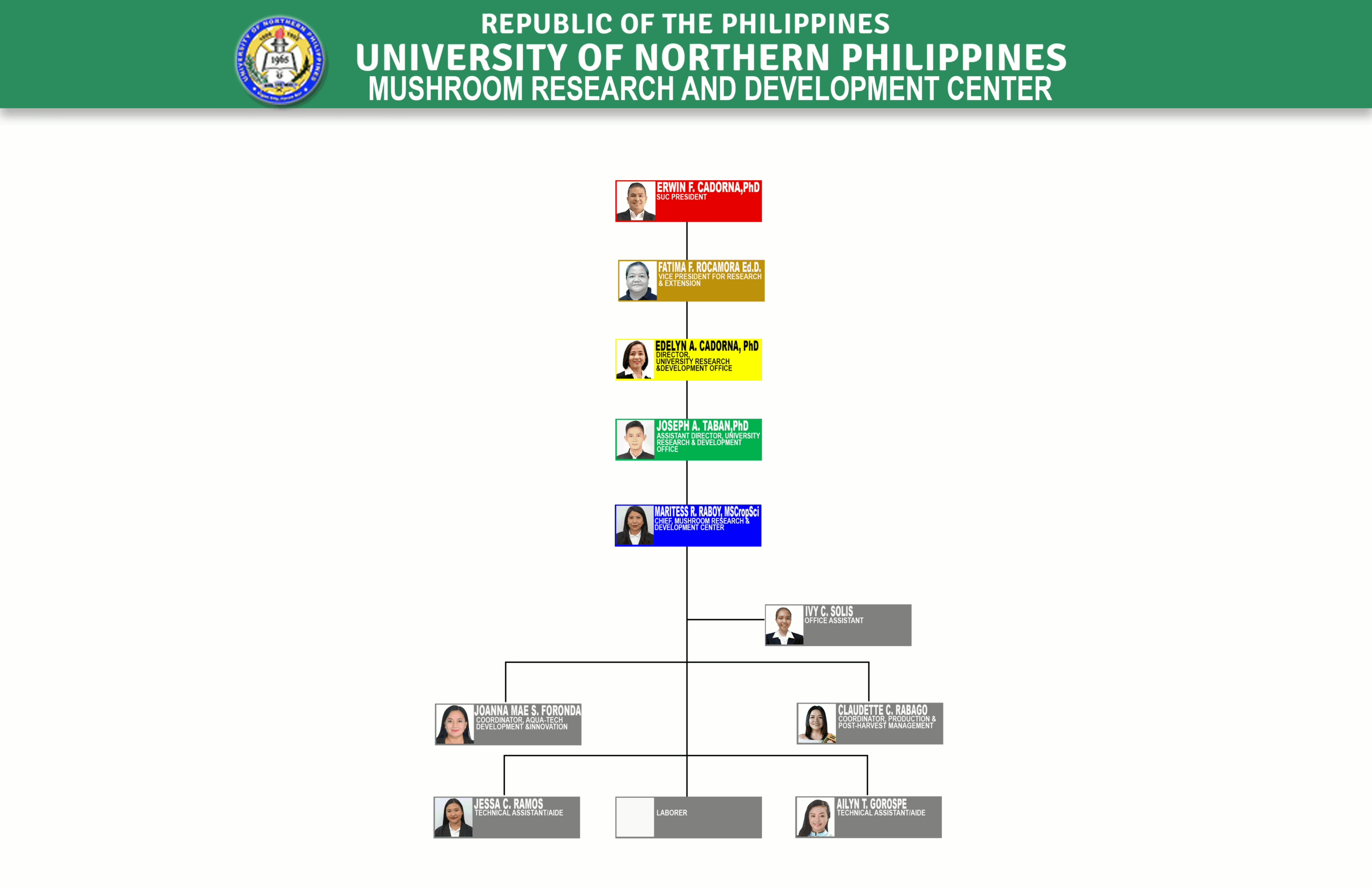
CENTER CHIEF: MARITESS R. RABOY

STAFF:

    • CLAUDETTE C. RABAGO
    • JESSA C. RAMOS
    • AILYN T. GOROSPE
    • IVY C. SOLIS

About the Center

Mushroom production is a growing industry in Ilocos Region. As the demand for fresh and processed mushrooms continues to increase, many people are considering mushroom farming as an additional and alternative source of income.

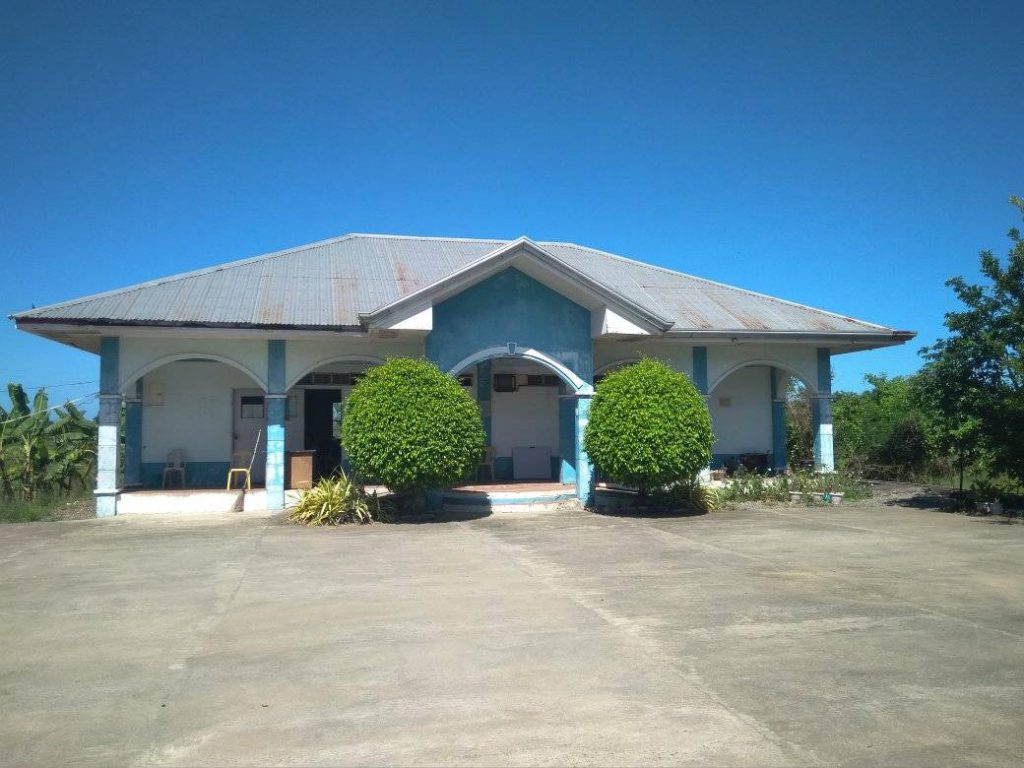
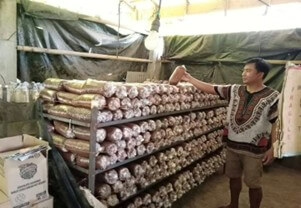
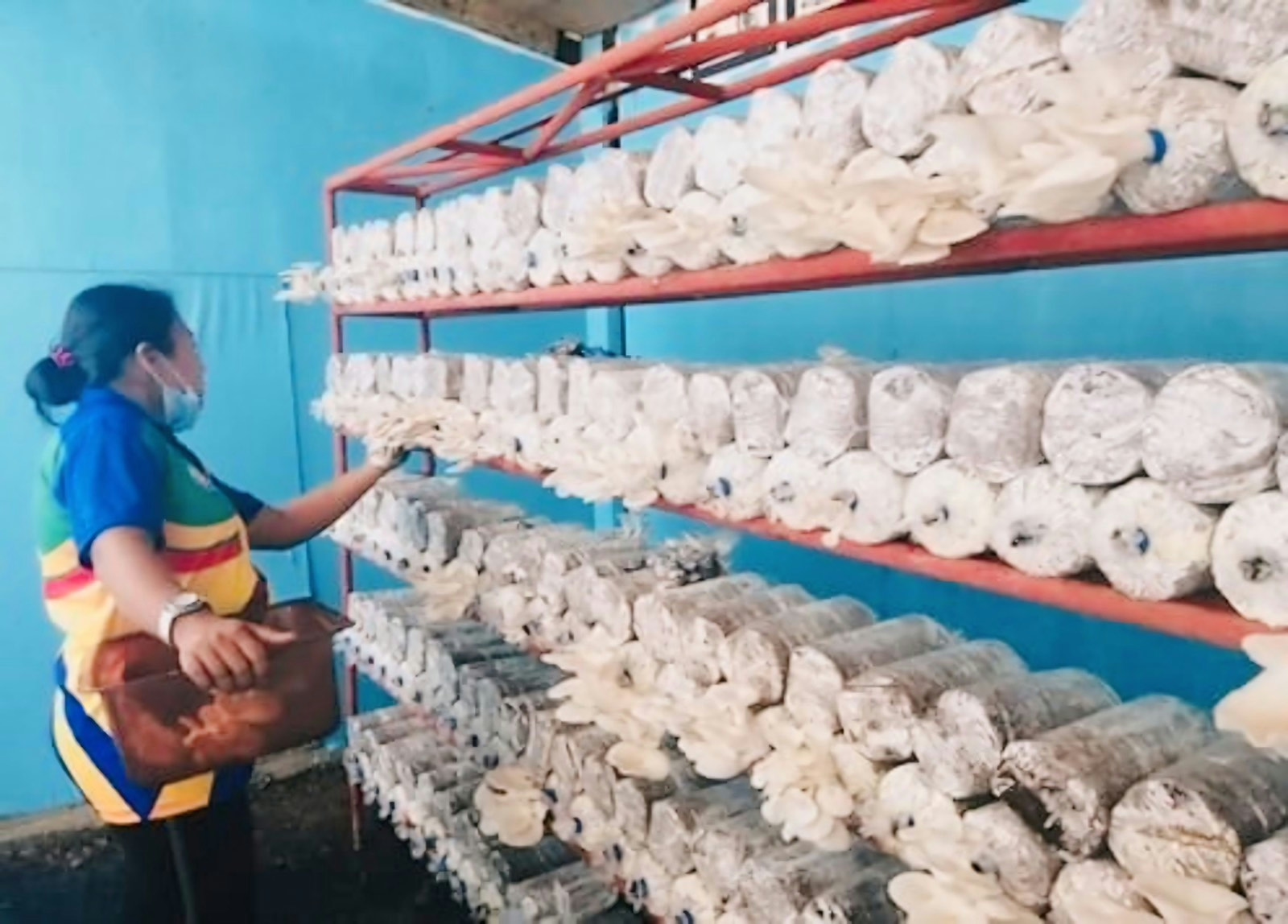
To contribute to the upliftment of the mushroom industry in Region 1, in 2019, by virtue of Board Resolution No. 092 S. of 2019, the Mushroom Research and Development Center was created. Main office of the center is located at the University Vigan City while its growing house and laboratory are located in Quimmarayan, Sto. Domingo.

The center covers four areas of the commodity, to include a)Agri-Technology Development and Innovation, b) Technology Transfer, c) Production and Post Harvest Management, and d) Socio-Economics and Policy Development.

VISION

The Mushroom Research and Development Center envisions to be one of the leading research and development centers in mushroom production and processing innovation technologies.

MISSION

The center aims for the sustainable production, processing, promotion, and marketing of high quality mushrooms and mushroom-based products, and the generation of innovative technologies to advance the mushroom industry not only in the region, but in the country, in general.

OBJECTIVES

  • To undertake researches along mushroom tissue culture, grain spawn , and fruit production,food processing, postharvest, environmental manipulation of growing house, disease control, mechanization, and marketing
  • To promote wider adoption of the technologies generated
  • To produce and distribute IEC materials on mushroom production and processing
  • To serve as repository of scientific information generated through research
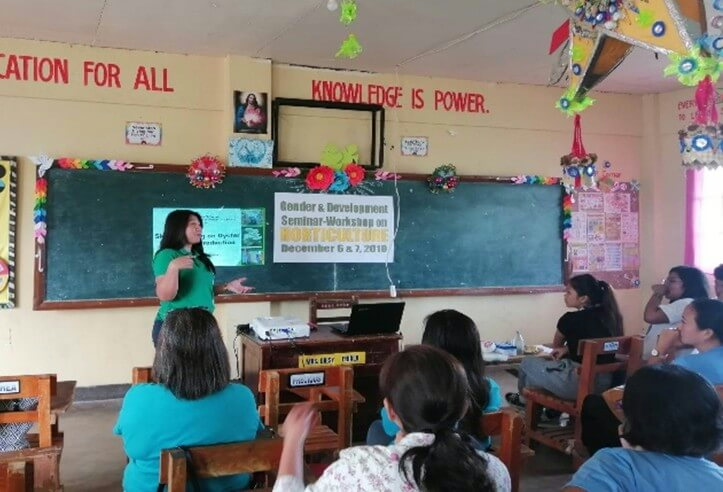
  • To serve as venue for manpower development through the conduct of trainings and seminar-workshops

PRIORITY AREAS OF THE MUSHROOM RESEARCH AND DEVELOPMENT CENTER

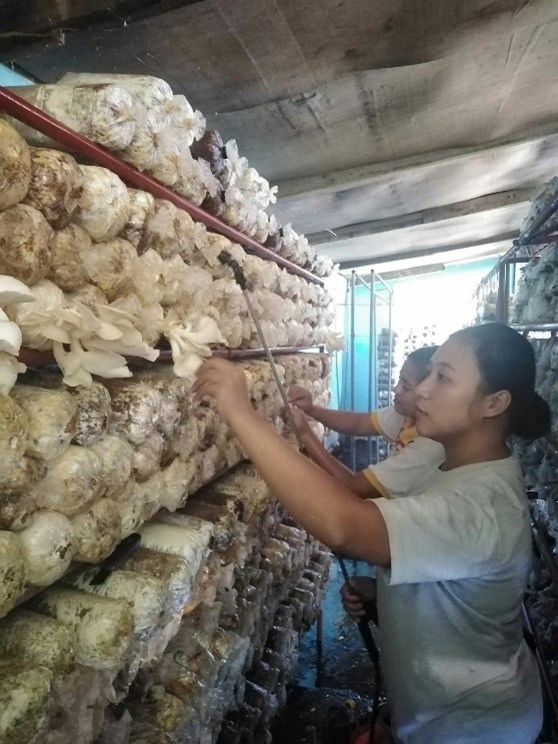
The main function of the center is the generation of significant researches along the different aspects of mushroom production and value-adding. Thus, researchers are encouraged to propose and conduct studies along these areas. The low production of mushroom fruits especially during summer has become a perennial problem for most of the mushroom growers in Region 1. With this, growers can not provide stable supply of fresh and processed mushroom in the market. One of the researches developed which made a significant contribution in the production of quality mushrooms is the research entitled “Effects of Different Lignocellulosic Wastes and Boosters on the Growth and Yield of Oyster Mushroom (Pleurotus sp)”. The result of this research addressed the low productivity of mushroom especially when fruiting is out of season. The study was conducted to determine the growth and yield performance of oyster mushroom (Pleurotus sp) as affected by different substrates and booster application. Specifically, it determined the different agronomic and yield characteristics of oyster mushrooms as affected by the different levels of treatments and their interaction. It also analyzed the profitability of the treatment combinations.

Three levels of boosters ( Control, Commercial booster, and Rice Wash) and six levels of substrates (Control, 100 % Rice Straw, 100 % Sawdust, 50 % Rice Straw + 50 % Sawdust, 50 % Sawdust + 50 % Sugarcane Bagasse, and 50 % Rice Straw + 50 % Sugarcane Bagasse) served as treatments.

Results showed that the number of days from inoculation to primordial initiation and harvesting of oyster mushroom was significantly the shortest with rice wash as a booster. Moreover, it also produced the longest and most stalks, while commercial booster generated significantly bigger stalk diameter. On the other hand, oyster mushroom spawn inoculated in 50 % RS + 50 % SB significantly produced the least number of days from inoculation to full colonization, primordia initiation, and harvesting. Weight, stalk diameter, and length, were significantly the highest in oyster mushroom grown in 50 % RS + 50 % SD. There was no detected interaction between boosters applied and substrates used, which implies that the two factors did not generate remarkable differences when combined with the oyster mushroom’s growth performance.

Considering profitability, oyster mushroom applied with Rice Wash as a booster and grown in 50 % RS+ 50 % SD was found to be the most profitable. To harness the full potential of the research, the production technology developed is now being applied in the mushroom cultivation process of the center.

Technologies generated through the conduct of researches are intended to be disseminated and utilized by target beneficiaries, specifically mushroom growers and processors in the Region. This is an intrinsic part of the technological innovation process. This modality will also create awareness on the importance of mushroom cultivation as an additional or alternative source of livelihood most especially in marginalized communities. Moreover, the center functions for the capability building of the people on the processes of mushroom production, processing, and marketing . Capacitated individuals are expected to generate higher levels of profitability and economic self reliance through increase production, better processing methods and marketing strategies.

Livelihood Assistance to Communities through the Science and Technology Community-Based Farm (STCBF) on Oyster Mushroom Production as an Alternative Source of Livelihood

The project on Science and Technology Community-Based Farm on Oyster Mushroom Production as an Alternative Source of Livelihood in Disaster Vulnerable Areas in Region 1 which was funded by the Philippine Council for Agriculture and Aquatic Resources Research and Development (PCAARRD) is a technology transfer by extension. This is the most dominant pathway for most PCAARRD-funded technologies. Extension modalities encompass training, organizing, technical assistance , S and T -based enterprise development, process documentation, monitoring and sustainability planning.

Initially, there were 75 project beneficiaries who participated in the implementation of the project. These beneficiaries came from the different municipalities of La Union, Pangasinan, and Ilocos Sur. Aside from the original 75 beneficiaries, there are still additional interested mushroom growers which added to the list of those who are being continuously assisted by the University.

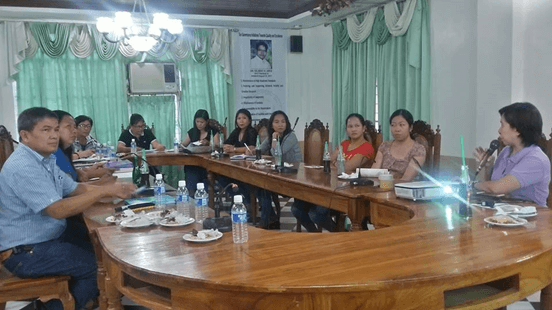
Prior to the implementation of the project, an inception meeting participated in by the project management team, project staff from co-implementing SUCs, participating LGUs, and PCAARRD personnel. The meeting aimed to introduce the project to the partner institutions and LGUs, its objectives, and the activities to be undertaken throughout the implementation of the project. The purpose of inviting financial managers from the SUCs was to explain to them how the budget will be utilized as well as the financial reports required for submission

Inception meeting

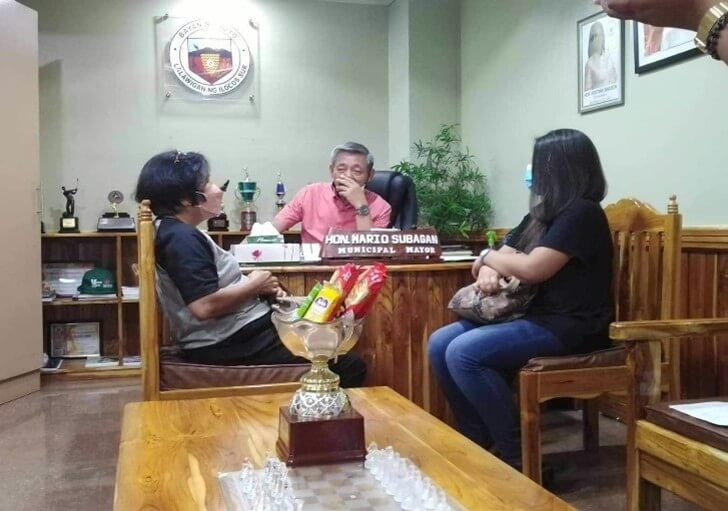
MOA Signing with the Mayors of the different LGUs

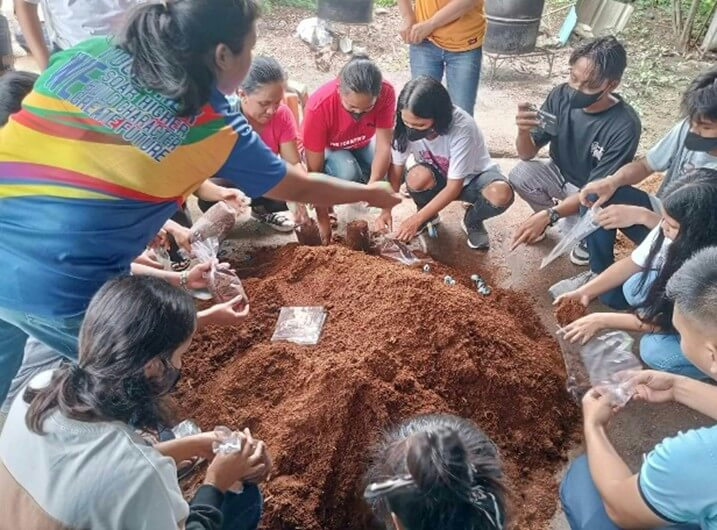
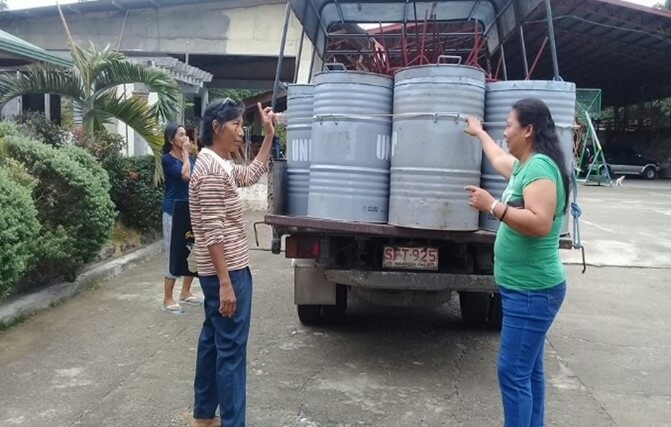
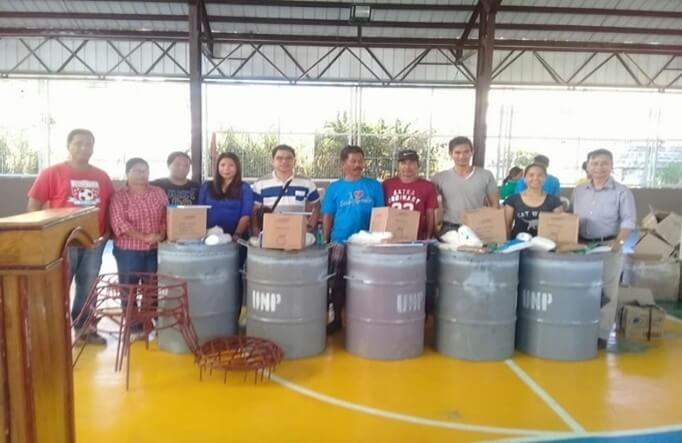
Distribution of mushroom production starter kits

To further strengthen the partnership of the University and the different participating LGUs, Memorandum of Agreement were signed. The MOA served as the legal document describing the roles and responsibilities of the parties involved in the project implementation

Continuous and extensive capability building to community members gave mushroom growers the opportunity to start their small-scale agribusiness activities. Trained individuals expressed their interest to become part of the growing number of mushroom growers in the Region. In addition, as part of the University’s assistance to the project beneficiaries, they were also given free mushroom production starter kits to include sterilizing drum, grain spawn, polypropylene bags, PVC pipes, cotton, sugar, lime, rice bran, and weighing scale.

The STCBF on Oyster Mushroom production aimed to provide technical and financial assistance (provision of starter kits) to mushroom cultivators which paved the way in the generation of livelihood for farmers, fishers, and members of youth and women’s organizations in Region I. Many successful mushroom growers trained and assisted by the Center are now reaping the fruits of their labor. They are now earning a good amount of income to support the daily needs of their families. Some were able to expand their mushroom production from backyard production to larger areas. Growers are not only gaining profit from marketing mushroom fruits, but from selling fruiting bags, spawn, and processed mushroom products. The STCBF progressed leading people and communities of interest and practice to sustain operation in structured processes of productivity, [profitability, and sustainability. It redefined the value of the commodity as more individuals and groups are making it as their business in transforming and changing lives

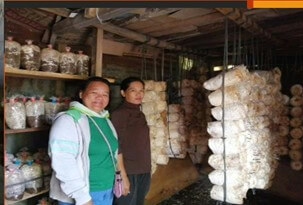
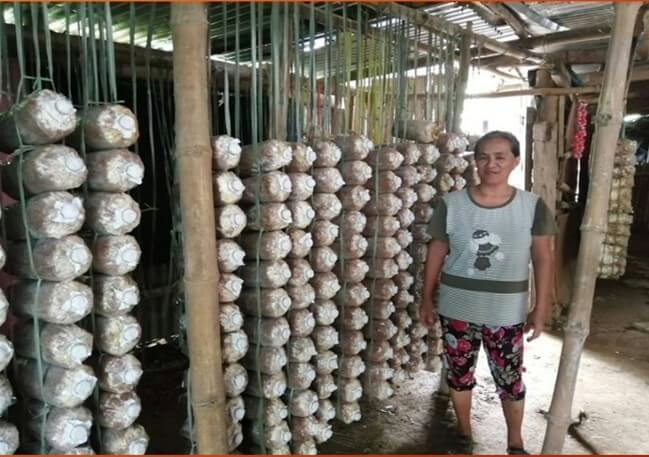
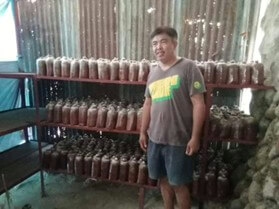
Project Beneficiaries

The increase in the quality and quantity of mushroom fruits produced due to the application of the developed technology on boosters and substrates led to the development of more mushroom value-added products. As an institution which promotes healthy lifestyle for its students, faculty and staff, and community, the University of Northern Philippines intensified its programs and activities in coming up with more nutritious foods that are accessible and affordable. The Mushroom Research and Development Center was able to develop healthy food recipes that can be alternatives to foods high in fats and sugars which are the primary causes of diseases. Mushrooms are popular food because of their nutritional values as these contain complex carbohydrates, dietary fibers, essential minerals, and vitamins among others. It is also believed that they possess anti-cancer properties that prevent or slow down the growth of abnormal cells in the body.

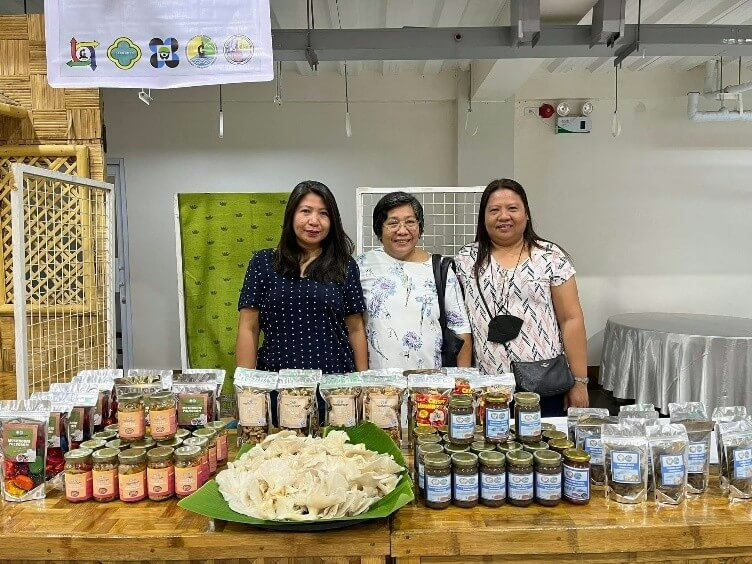
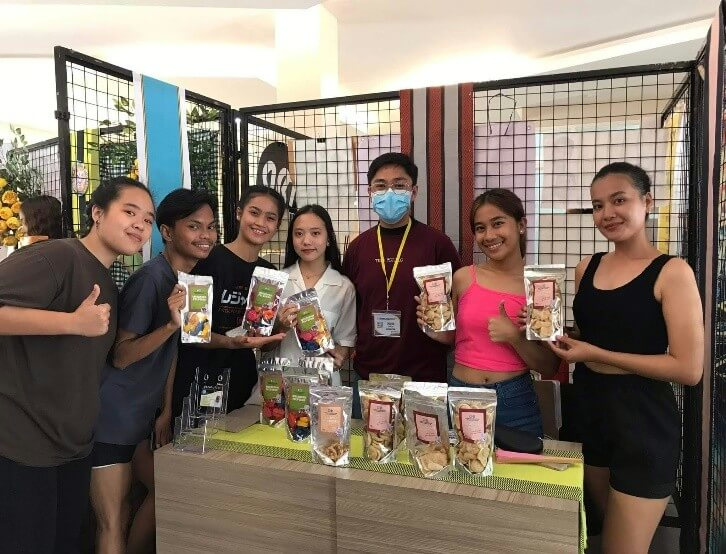
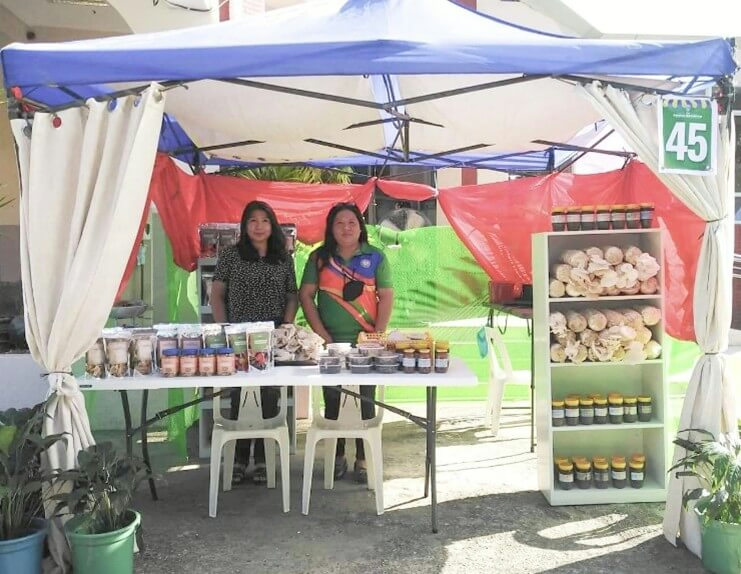
Among the mushroom-based products developed by the Center include shanghai, kropeck, pickled, crispy chips, and polvoron. These products are slowly creating niche in the food market, becoming popular not only because these are delicious, but also are nutritious.

For wider promotion of products and the services of the Center, these are being showcased during trade fairs and field days. The University tries its best to participate whenever there are invitations for trade fairs and similar events to promote awareness of the products as well as the services it offers. This gives also opportunity for the University to establish linkage with other industries or institutions for future partnerships or collaboration.

VEGGIE Fiesta at MMSU, Batac City

1st Regional Agri-aqua technology pitchfest & launching of technology portfolio 2023 at DMMMSU, Banotan, LU

UNP Foundation Day

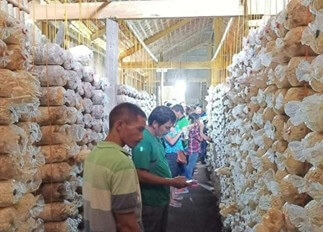
Mushroom Growers’ Field day at Suyo, Ilocos Sur

Marketing of fresh mushrooms and mushroom-based processed products has become one of the income generating activities of the center. The demand for these products is increasing as people become more health conscious and consider buying foods that are organically grown. Besides, mushrooms are excellent sources of essential nutrients and phytochemicals that aid in boosting the immune system of the body.

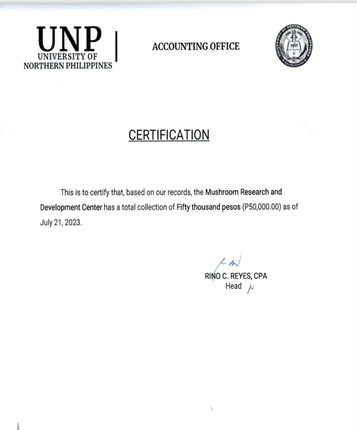
An estimated income of P50,000 has been already generated since its full operation in 2019. Some of these have been used to buy other needed materials and supplies to sustain the operation of the center.

Mushroom cultivation is a booming industry in Ilocos Region. It has gained popularity because of its socio-economic contribution. Every year, more and more individuals are engaging into this type of agribusiness venture. This is a sustainable form of farming as this does not require high inputs and clearing of lands. Mushroom cultivation has desirable features such as low-cost production, better profit and quick turn over of products.

To further boost and uplift the mushroom industry, one of the goals of the Mushroom Research and Development Center is to formulate policies which are necessary to promote sustainable production and enhance competitiveness of mushroom for domestic use and international trade. The center is geared towards the crafting of policies in terms of price regulation, support to small scale producers, and international trades, among others.

Researches

Completed

  • (2025) Innovative Development of Banana Blossom (Musa paradisiaca) Mushroom (Pleurotus ostreatus) Longganisa
    Arthur V. Pascua, Ma. Rochelle F. Cabrales, and Rozen C. Villa
  • (2025) Development and Evaluation of Mar-uong-gay Miki Noodles
    Maritess R. Raboy, Jessy C. Domingo, Jessa C. Ramos, Ailyn T. Gorospe, Chester Asuncion
  • (2025) Development of Sweet Potato (Ipomea batatas) – Oyster Mushroom (Pleurotus sp) Muffin
    Kevin Cesar T. Martinez, Rogelio D. Quario II
  • (2025) Utilization of Sargassum polycystum as a Substrate Supplement for Enhance Growth and Yield Performance of Pleurotus sp (Oyster Mushroom)

    Charo B. Rojas, Jill Ann R. Paranada and Olieve Karenth P. Barcesa

  • (2024) Development and Acceptability of Malunggay Oyster Mushroom Siopao
    Rozen Villa, Marnie Tabilin, Ma. Rochelle Cabrales, Jeanina Batin
  • (2024) Growth and Production of Oyster Mushroom Using Peanut as Substrate Supplement
    Chris Paul Pagaoa, May Evelia Ruadap, Anna Liza Morales
  • (2024) Growth and Yield of Straw Mushroom (Volvariella vulvacea) Using Rice Straw and Banana Leaves
    Claudette C. Rabago, Rainalda Rambuyon, Elmarie Rin, Maribel Yasay
  • (2024) Development of Bucarillo Con Oyster Mushroom
    Maritess R. Raboy, Jessy Domingo, Jessa Ramos
  • (2023) Development of Mushroom-Tilapia (Pleurotus ostreatus-Oreachromis niloticus)
    Gerald P. Valdez, Nino Patricio Almachar, Richel Royce Chan, Karen Calaycay Deborah

ongoing

  • (2025) Growth and Yield Performance of Oyster Mushroom (Pleurotus sp) Using Sugarcane Bagasse and Coconut Husk as Substrate Supplements
    Maritess R. Raboy, Claudette C. Rabago, Jessa C. Ramos, Ailyn T. Gorospe
  • (2025) Development of Mushroom Cacao Cookies as a Healthy Snack Alternative
    Claudette C. Rabago, Rainalda T. Rambuyon, Roselyn F. Alan
  • (2025) Nutrient Rich Pandesal: Enhancing Nutritional Value with Malunggay and Mushroom Fortification
    Maritess R. Raboy, Claudette C. Rabago, Jessa C. Ramos, Ailyn T. Gorospe
  • (2025) Tilapia-Mushroom Loaf: Formulation, Nutritional Evaluation, and Acceptability
    Ma. Rochelle F. Cabrales, Arthur V. Pascua, Rozen C. Villa

MUSHROOM VALUE-ADDED PRODUCTS

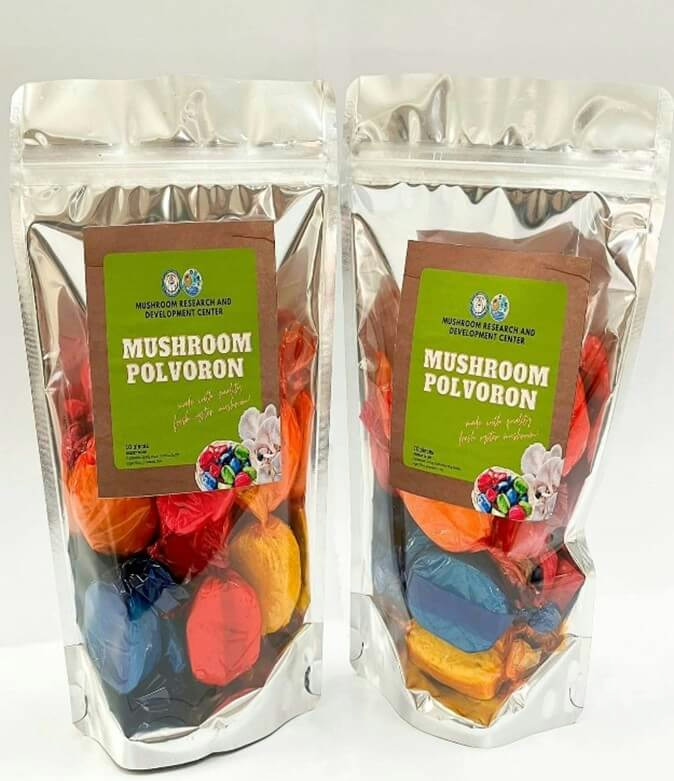
Mushroom Polvoron

A meal will never be complete without a dessert. Among the many favorite desserts of Filipinos is polvoron. Commercially available polvoron normally uses nuts such as peanuts, cashew nuts, and pili nuts as additive to add texture.

As a substitute for nuts in polvoron, crispy mushrooms are added to enhance its texture and appearance, making more appealing to the taste especially for the children.

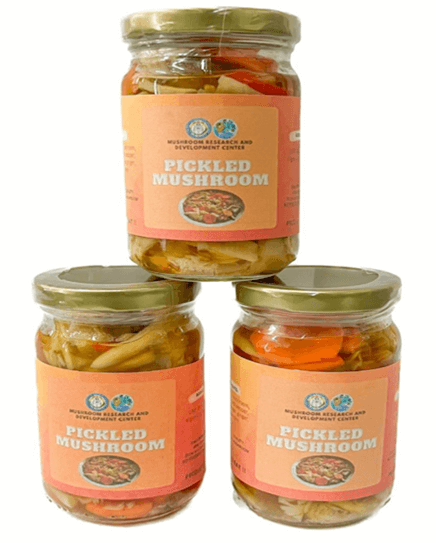
Pickled Mushroom

A perfect appetizer, this pickled mushroom is made with fresh ingredients such as carrots, bell pepper, and pineapple seasoned with Ilocos Vinegar added with the right amount of salt, sugar, and black pepper. These are stored in glass bottles and sealed to prolong its shelf life.

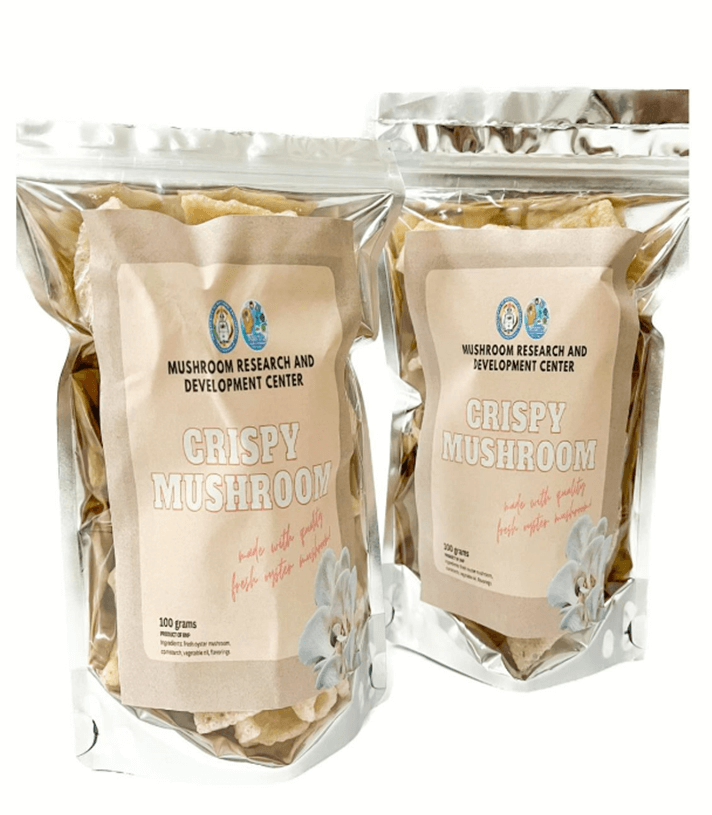
Crispy Mushroom

This snack is perfect for vegetarian and for those who are health conscious. Mushroom, an organically grown ingredient for crispy mushroom offers a healthier substitute for junk foods. Since this is organic, little or no artificial flavoring is added. Only freshly picked mushroom fruits are used for this purpose.

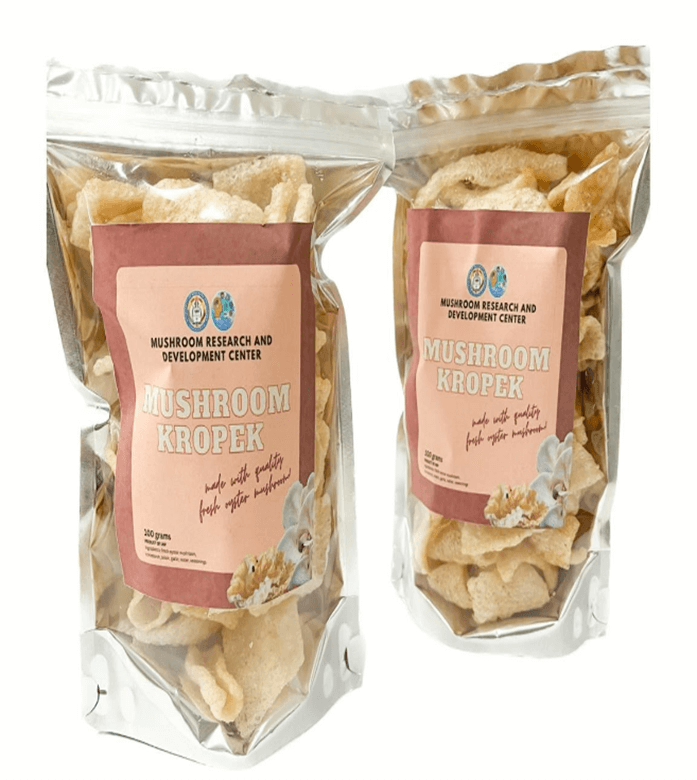
Mushroom Kropek

A toxin-free diet is the simplest approach to a healthy body and a happy mind.

One of consumers’ favorite snacks is the mushroom kropek. This is comparable to commercially available kropeck made of shrimps and crabs. The rich flavor of mushroom plus the mixture of onion, garlic, cassava flour, and a little amount of fish sauce makes kropek a delectable snack. This can be dipped in a vinegar or salad dressings or it can just be eaten as it is.

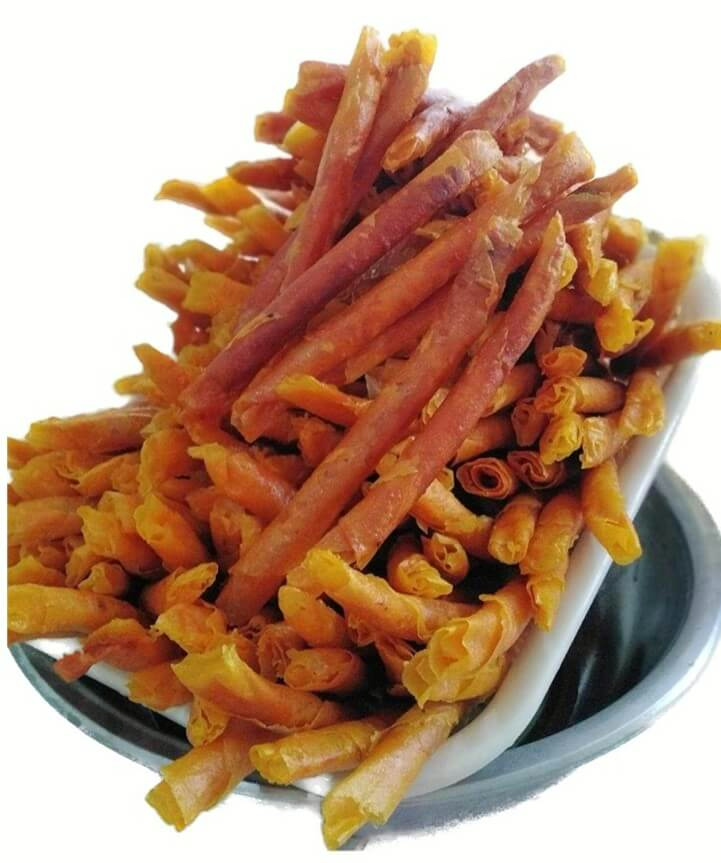
Shanghai

Shanghai is one of Filipino’s favorites being served during special occasions such as birthdays, fiestas, and weddings. Usually, this is made of pork mixed with other ingredients wrapped in lumpia wrapper.

To make a healthier alternative for pork shanghai, mushroom shanghai was developed. This delivers an intense punch of flavor that will definitely suit the taste of Filipinos.