The University of Northern Philippines–College of Teacher Education (UNP-CTE), through its Bachelor of Technical-Vocational Teacher Education (BTVTEd) and Bachelor of Technology and Livelihood Education (BTLEd) Programs, in partnership with the local government unit of Santo Domingo, Ilocos Sur, successfully conducted the second extension activity under Project Securing Future: ALISTO SDO-Advancing Livelihood and Innovation through Sustainable Training for OTOP Product Development on September 18–19, 2026.
The two-day activity centered on strengthening kalabasa farming production, product development, livelihood skills, and community-based innovation through the “Kalabasa Farming Production & KA-ALISTO SDO: Karabasa Advancement for Livelihood, Innovation, Skills, Training, and Opportunities for Santo Domingo.”
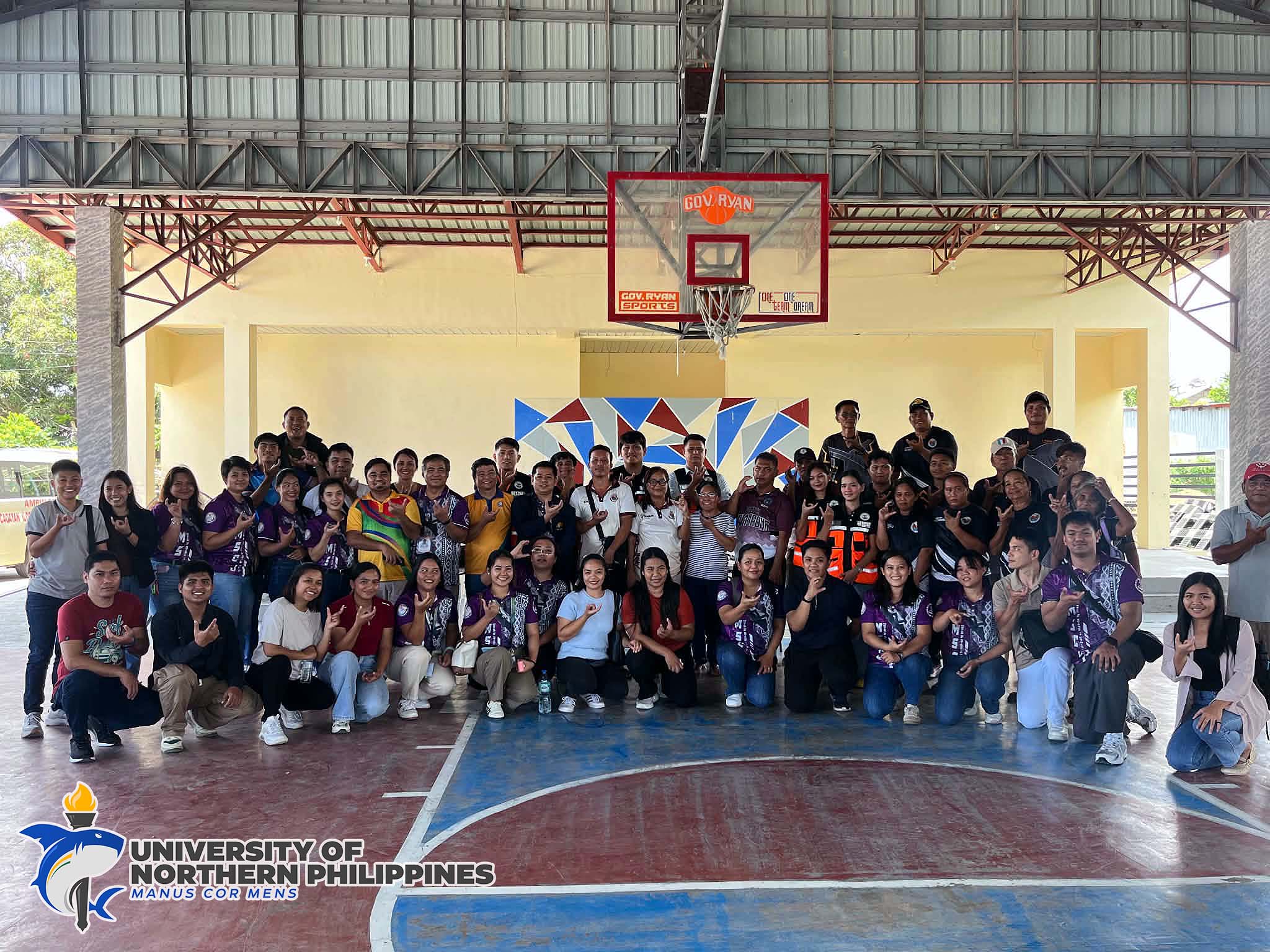
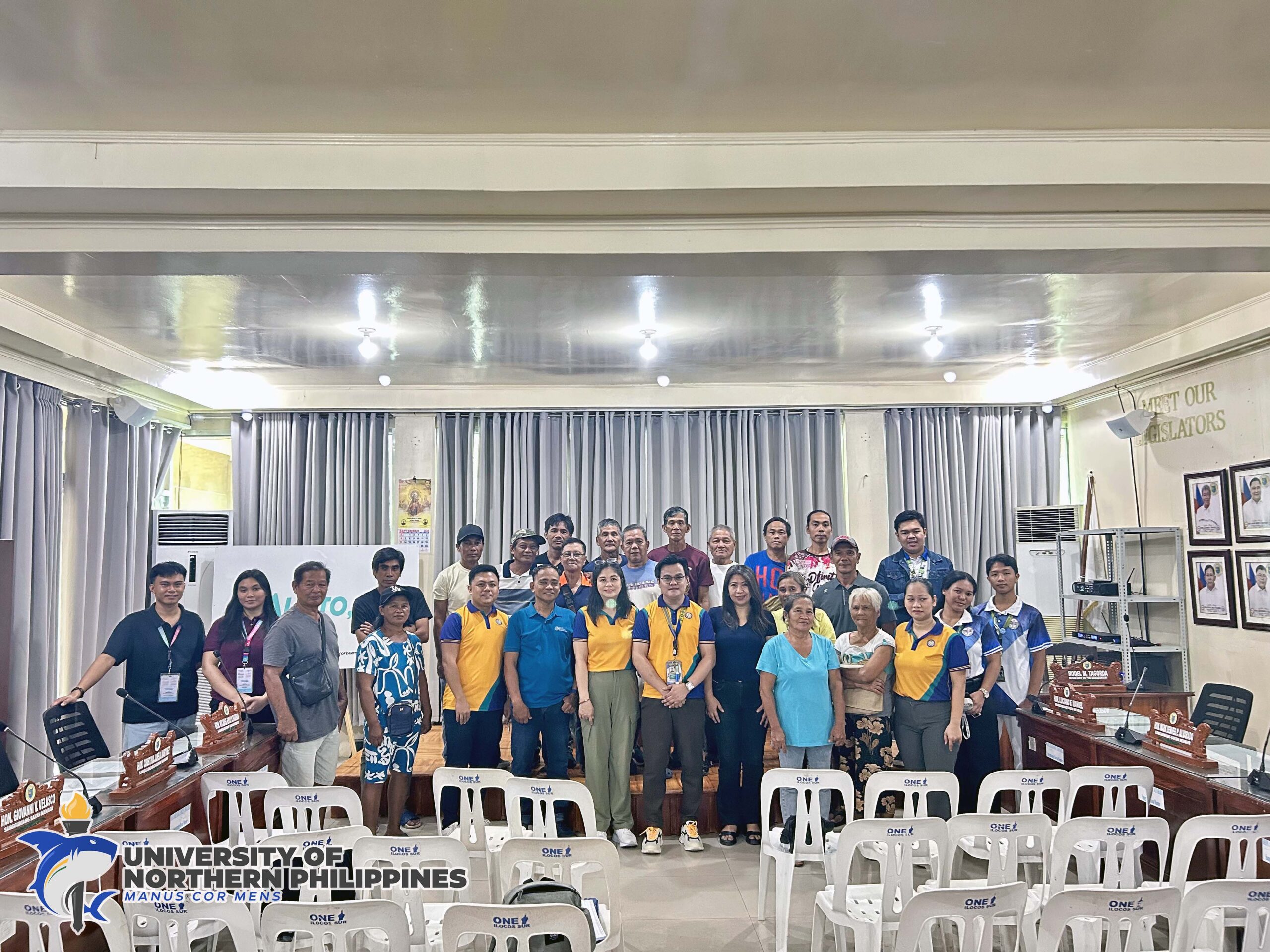
The activity brought together members of the Rural Improvement Club, youth organizations, 4Ps beneficiaries, market vendors, women’s organizations, SDO Farmers Association, Municipal Agriculture Office, and other interested community stakeholders.
The activity also marked the second extension undertaking under the ALISTO SDO Project, building on the initial community extension activity held on March 26, 2026. The first engagement laid the groundwork for a sustained partnership between the University of Northern Philippines–College of Teacher Education (UNP-CTE) and the local government unit of Santo Domingo, advancing collaborative efforts in livelihood development, skills enhancement, and community-based enterprise initiatives.
The activity received strong support from the Municipal Government of Santo Domingo, under the leadership of Municipal Mayor Hon. Annea Cassandra De Leon, who reaffirmed the local government’s commitment to initiatives that strengthen community livelihoods. During the opening program, Mayor De Leon delivered a message emphasizing the importance of providing residents with practical skills, knowledge, and opportunities that can help enhance their livelihood and support sustainable community development.
The first day of the activity featured the KA-ALISTO SDO session, which highlighted the potential of kalabasa as an accessible local resource for food product development and livelihood generation. Ms. Marites Raboy and Dr. Marnie Tabilin served as resource speakers, sharing insights on kalabasa-based products, emerging market trends, nutritional benefits, research innovations, and market opportunities. They also presented research-based products developed by the University of Northern Philippines, demonstrating how local agricultural resources can be transformed into innovative and marketable products.
The session was complemented by a hands-on skills training workshop on Kalabasa Cream Puff, facilitated by Ms. Daizy Taaca and Dr. Arthur Pascua. Through the practical activity, participants gained firsthand experience in processing kalabasa into a value-added food product, equipping them with skills that can be applied to household livelihood activities and potentially developed into small-scale microenterprise ventures.
Meanwhile, the kalabasa farming production component focused on enhancing the technical knowledge and practical capabilities of local farmers to improve the productivity and sustainability of kalabasa cultivation. Mr. Lorlito Aglibut, Agronomist of Allied Botanical Corporation, and Dr. Efren Galapon served as resource speakers during the seminar-workshop, where they discussed soil analysis, proper land preparation, climate considerations, site suitability, and the selection of high-yielding kalabasa varieties.
Complementing the technical discussions, Mr. Reynaldo Regucera facilitated a hands-on training-workshop on seed preparation, planting techniques, nutrient management, and pest management. The session provided farmers with practical, field-based knowledge they can apply directly to their farming activities, supporting more informed production practices and improved crop management.
On the second day, participants engaged in kalabasa product development and evaluation and kalabasa demonstration farming, providing opportunities to apply the knowledge and skills gained during the training.
The initiative equipped participants with practical knowledge and skills aimed at enhancing agricultural productivity while opening opportunities for value-adding, livelihood generation, and enterprise development.
The initiative also promoted gender-inclusive participation, providing women and men with equal opportunities to participate in agricultural training, livelihood activities, product development, and community enterprise initiatives.
The activity addressed several Sustainable Development Goals (SDGs), particularly SDG 2-Zero Hunger through improved agricultural production; SDG 4- Quality Education through community training and skills development; SDG 5-Gender Equality through equal participation of women and men; SDG 8-Decent Work and Economic Growth through livelihood, entrepreneurship, and product development; SDG 15-Life on Land through sustainable farming practices; and SDG 17-Partnerships for the Goals through the collaboration among UNP-CTE, the University Extension Office, the LGU of Santo Domingo, and community organizations.
The second ALISTO SDO extension activity further strengthened the partnership between UNP-CTE’s BTVTEd and BTLEd Programs and the municipality of Santo Domingo, demonstrating the role of community-based extension in connecting education, agricultural production, food innovation, and livelihood development.
Through the continuing implementation of Project Securing Future: ALISTO SDO, UNP-CTE aims to help transform local resources such as kalabasa into knowledge, skills, innovative products, livelihood opportunities, and sustainable community enterprises.
Article by Arthur Pascua, Photos by Ma. Rochelle Cabrales