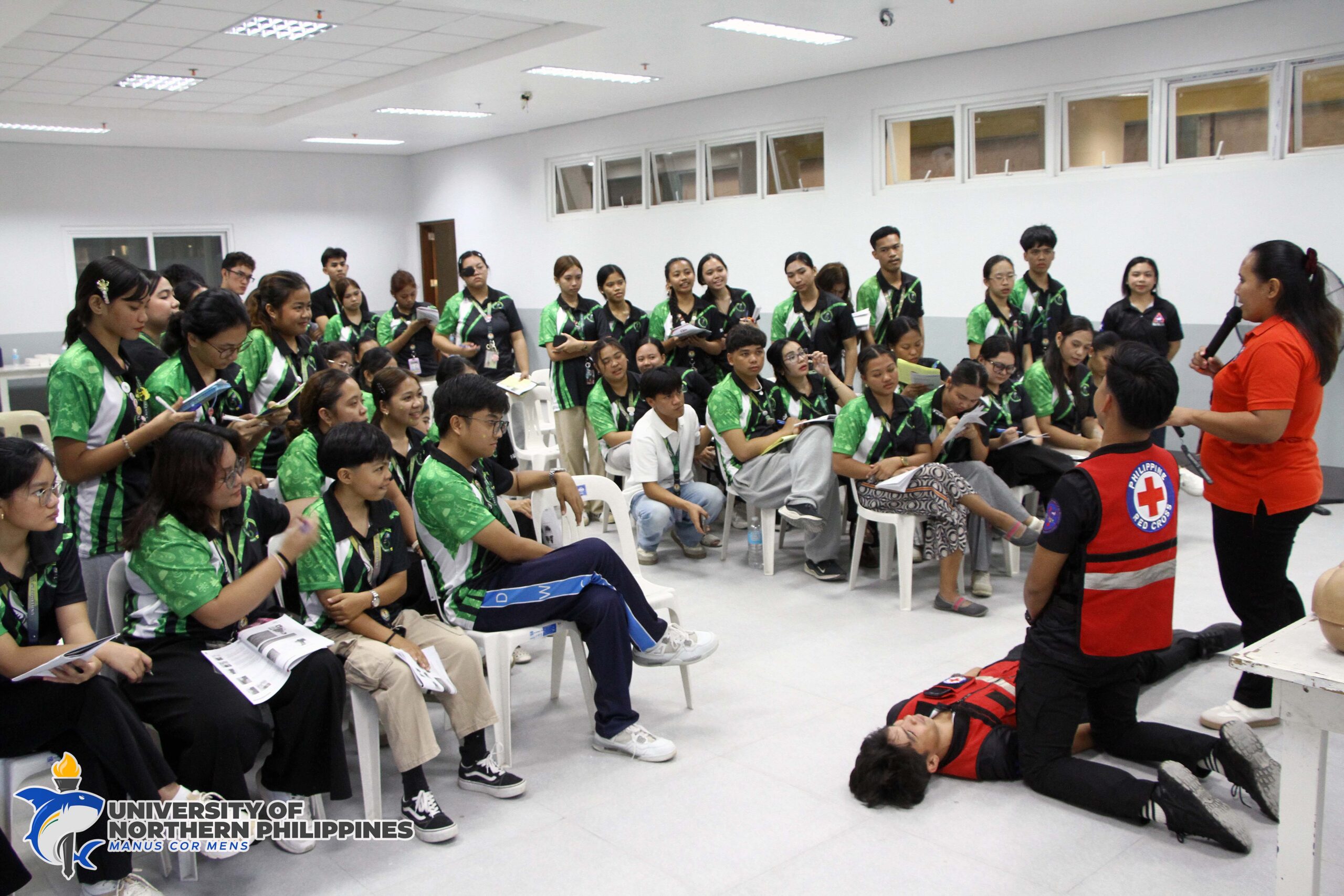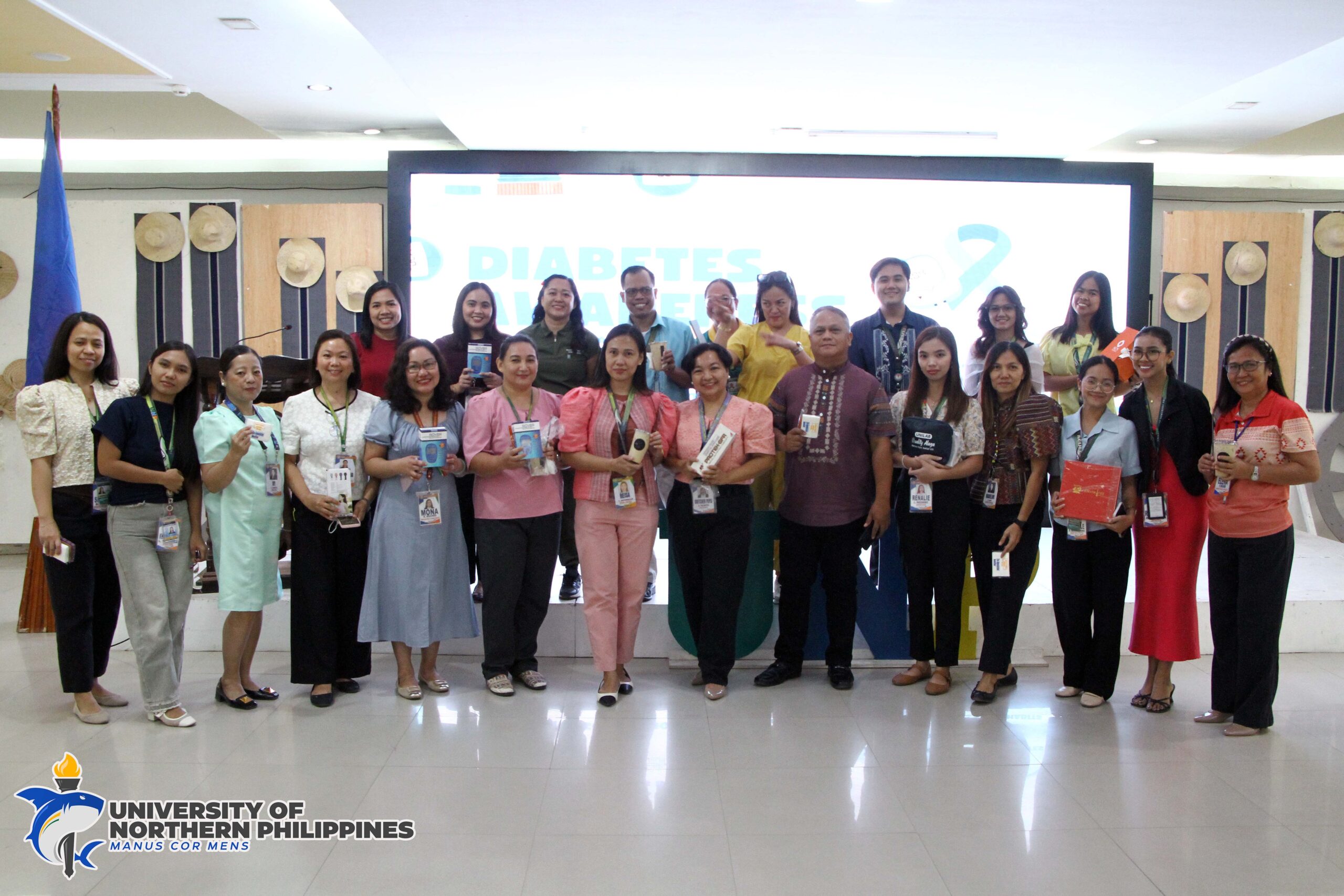
Promoting preventive healthcare and strengthening awareness of diabetes, the University of Northern Philippines, through its UNP Hospital, conducted a free health screening activity at Tadena Hall on November 9, 2026 providing members of the university community with an opportunity to monitor their health and recognize the importance of early detection as part of the institution’s observance of Diabetes Awareness Week.
Bearing the campaign message, “HAWAK MO ANG BEAT, LET’S BEAT DIABETES!”, the initiative reinforced the University’s commitment to advance Sustainable Development Goal 3 (Good Health and Well-being) by strengthening public awareness of diabetes, encouraging preventive healthcare practices, and promoting informed health decisions among members of the university community. It also highlighted the importance of regular health monitoring, timely detection, and practical lifestyle adjustments in preventing diabetes and reducing its potential health risks.
The activity commenced in the morning with free health screening for University personnel, allowing participants to assess their health conditions through blood sugar testing and other essential health checks.
Demonstrating their support for the university’s health promotion initiative, University President Dr. Erwin Cadorna, Vice President for Finance and Administration Mr. Albert Tejero, Vice President for Academic Affairs Dr. Rolando Navarro, and University Research and Development Office Director Dr. Edelyn Cadorna also took part in the screening. Their participation reinforced the importance of making preventive healthcare a shared responsibility and setting an example of proactive health management within the University community.
Following the health screening, participants took part in a series of informative discussions facilitated by UNP Hospital’s health professionals, focusing on diabetes prevention, early detection, and effective disease management.
Dr. Marsha Michelle Cabuena, Hospital Administrator and Diabetologist, led the discussion on diabetes awareness, highlighting the importance of understanding key blood glucose measurements in determining whether an individual has normal blood sugar levels, prediabetes, or diabetes. Explaining what she referred to as the magic numbers of diabetes, she emphasized that knowing these indicators enables individuals to better assess their health status and seek appropriate medical intervention. She also stressed that diabetes screening should not be delayed until symptoms manifest, encouraging adults—particularly those who are overweight, physically inactive, have a family history of diabetes, or possess other risk factors—to consult healthcare professionals regarding appropriate screening schedules.
Dr. Cabuena further discussed the common warning signs of diabetes, including frequent urination, excessive thirst and hunger, unexplained weight loss, persistent fatigue, blurred vision, and wounds that heal slowly. She emphasized that recognizing these symptoms, undergoing regular health assessments, and seeking timely medical attention are crucial steps toward preventing complications, managing the condition effectively, and maintaining a better quality of life.
Meanwhile, Ms.Andressa Fao Sabado, Nutritionist-Dietitian, highlighted the importance of proper nutrition and balanced eating habits in preventing and managing diabetes through a discussion of the Pinggang Pinoy food guide. She explained how appropriate food portions and a balanced combination of food groups help regulate blood sugar levels and maintain overall health. Participants were encouraged to follow the recommended plate proportions: one-half for fruits and vegetables, one-fourth for rice and other energy-giving foods, and the remaining one-fourth for protein-rich foods such as fish, lean meat, eggs, and other nutritious alternatives.
Ms. Sabado also emphasized the need for mindful rice consumption and proper portion control, noting that food intake should be guided by an individual’s nutritional requirements, level of physical activity, and existing health condition. She further encouraged the inclusion of fiber-rich foods, particularly leafy vegetables, fruits, beans, munggo, whole grains, and oats, explaining their role in promoting healthy digestion, prolonging satiety, and supporting better blood sugar regulation.
Complementing the educational sessions was an invigorating Zumba activity that brought participants together in an enjoyable physical exercise session. The activity highlighted the importance of incorporating regular movement into daily routines, reinforcing the message that maintaining an active lifestyle can be both accessible and enjoyable.
Through the initiative, UNP Hospital strengthened its efforts to promote preventive healthcare and cultivate a culture of wellness in the university community. More than raising awareness about diabetes, the activity emphasized the importance of translating health knowledge into everyday practice—from monitoring blood sugar levels and recognizing early warning signs to choosing nutritious food and engaging in regular physical activity. These practical measures serve as essential steps toward diabetes prevention, better disease management, and a healthier University community.
Article by Angelica Arquines. Photo by Joel Tipon.