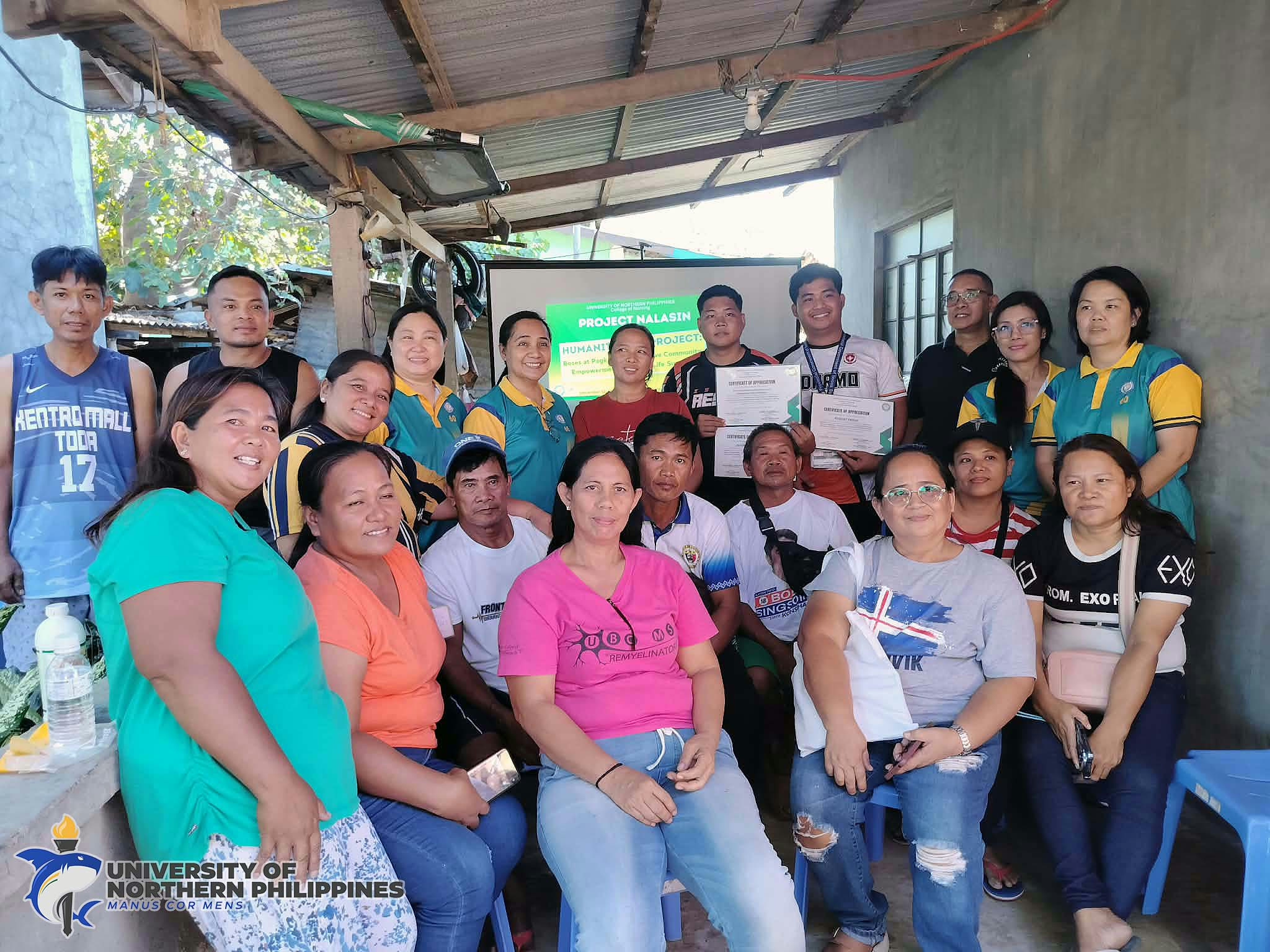
The University of Northern Philippines, through the University Extension Office and in collobration with the College of Nursing conducted the Humanitarian Project: Boses at Pagkalinga – Inclusive Community Empowerment and Basic Life Support (BLS) Training on December 12, 2025, at Sitio Nalasin, Barangay Camanggaan, Vigan City, Ilocos Sur.
This activity is part of Project Nalasin: “SALUN-AT IPATEG PARA ITI KOMUNIDAD A NATALGED,” a community-based initiative aimed at promoting safety, empowerment, and resilience among underserved populations.
Led by Prof. Sheila Obispo as Project Leader, with Prof. Fe Tuzon, Prof. Edna Javier, and Prof. Maricris Florendo as key members, the activity showcased a strong collaboration between the University and local authorities. The event was held in close coordination with barangay officials, highlighting the importance of community partnership in advancing preparedness programs. Barangay Captain Jovencio Beleno, Jr. attended the activity, reaffirming the barangay leadership’s commitment to support initiatives that empower and protect the community.
The event commenced highlighting a comprehensive Basic Life Support training led by experts from the Provincial Disaster Risk Reduction and Management Office. Participants received both theoretical instruction and practical, hands-on experience, gaining essential skills to respond effectively during health emergencies.
The activity also featured a lecture on Inclusive Community Empowerment, delivered by Prof. Javier and Prof. Florendo, which provided a platform for community dialogue and participatory planning.
The activity drew participation from barangay health workers, barangay tanods, and Sangguniang Kabataan officers and members, enhancing the capabilities of frontline personnel and youth leaders in emergency response and community governance. By actively engaging local stakeholders, the initiative fostered stronger community preparedness while promoting collaborative leadership.
Anchored in the principles of the United Nations Sustainable Development Goals—particularly SDG 1 (No Poverty), SDG 3 (Good Health and Well-Being), SDG 4 (Quality Education), SDG 10 (Reduced Inequalities), and SDG 11 (Sustainable Cities and Communities)—the program emphasizes the University of Northern Philippines’ commitment to inclusive, people-centered, and sustainable extension services. This approach resonates deeply with the Filipino spirit of bayanihan, emphasizing collective action and community solidarity.
Article by Rizza Abinsay.