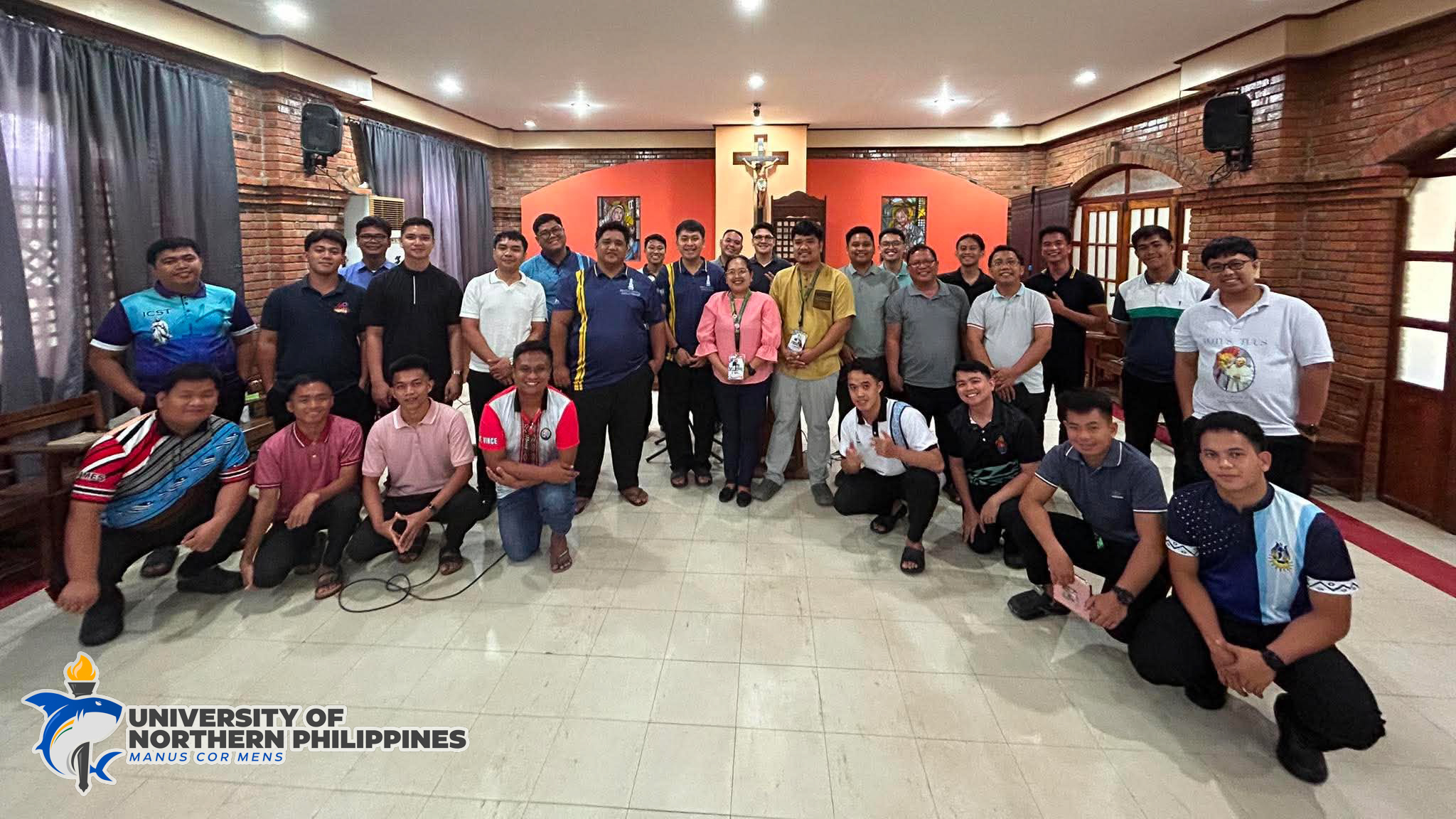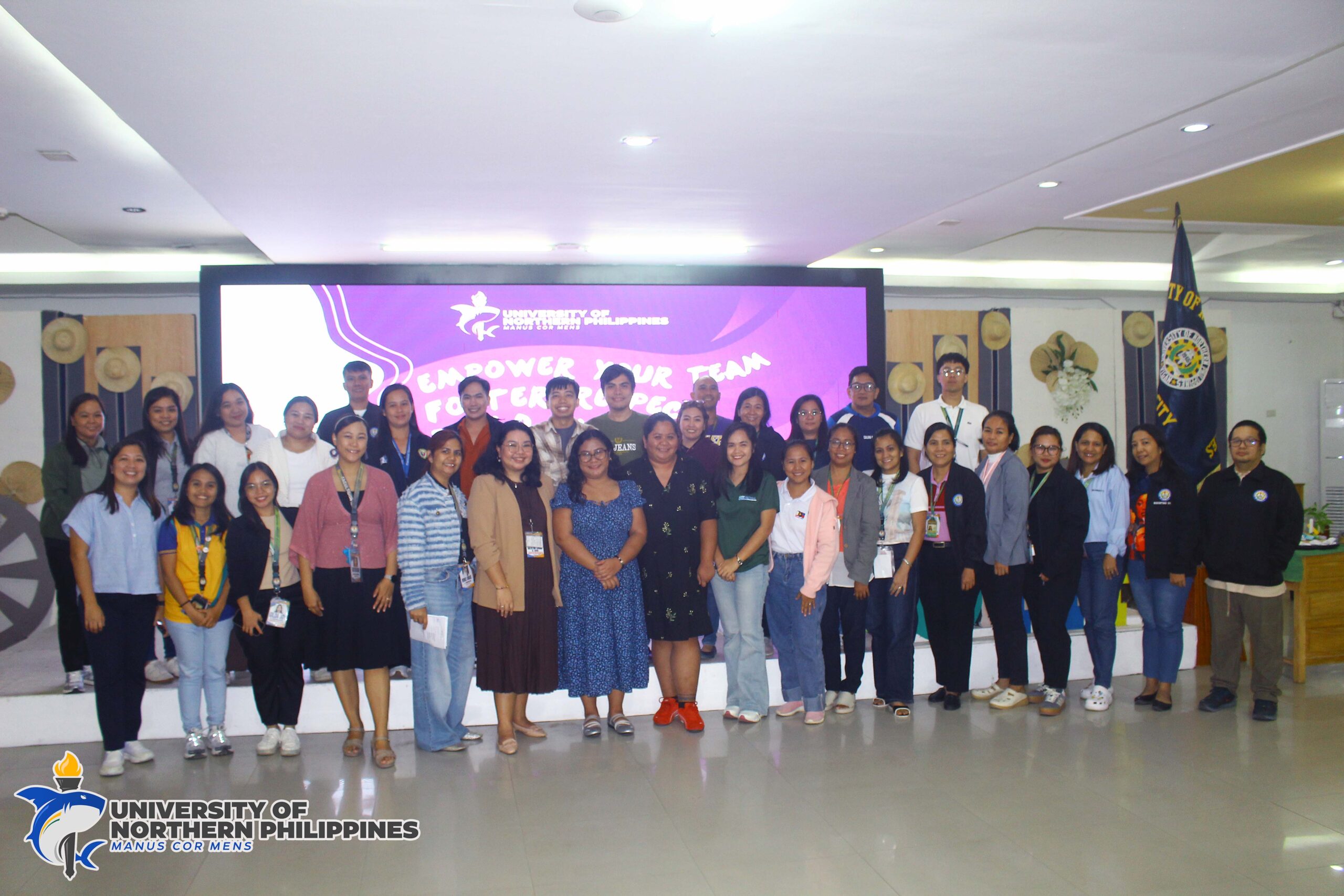
The University of Northern Philippines, through its Center for Gender and Development, strengthened its commitment to promote a gender-responsive and inclusive workplace as it conducted a gender sensitivity training for administrative personnel on August 4–5 and 7, 2026 at Diego Silang Hall and Tadena Hall.
The three-day training provided UNP administrative personnel with a comprehensive grounding in Gender and Development, covering fundamental concepts, gender-related issues, relevant laws and policies, and their practical application in the workplace. Beyond building awareness, the sessions encouraged participants to examine how gender perspectives can be integrated into everyday work practices, decision-making, and interactions within the University.
The training also enabled participants to identify gender-based concerns and workplace situations that may hinder equality and inclusion, while exploring appropriate and responsive interventions. Through discussions and learning activities, personnel were encouraged to become active advocates of a culture grounded in respect, fairness, non-discrimination, and equal opportunity—further advancing UNP’s commitment to create a safe, inclusive, and gender-responsive academic and administrative environment.
The learning sessions featured resource persons who provided participants with a comprehensive perspective on gender sensitivity and the practical application of GAD principles in the workplace.
Dr. Eleanor Belizar opened the training with a session on GAD Basic Concepts and Principles, laying the groundwork for participants’ understanding of gender, sex, gender roles, and other fundamental concepts. Her discussion emphasized the importance of developing gender awareness as a foundation for recognizing gender concerns and promoting responsive practices within the workplace.
On the second day, Ms. Sheila De Vera facilitated the session on Gender Issues, guiding participants in examining how gender roles, stereotypes, social expectations, and existing inequalities can shape experiences and opportunities in both the workplace and wider society. The discussion encouraged personnel to critically recognize gender-related concerns and consider appropriate measures that can contribute to a more equitable and inclusive environment.
Meanwhile, Dr. Victoria Arce led the session on Gender and Development, highlighting the importance of integrating gender perspectives into institutional programs, policies, processes, and workplace practices. The session highlighted that GAD is not merely an awareness initiative but an institutional commitment that requires gender-responsive approaches in planning, implementation, decision-making, and service delivery.
Through these sessions, the training moved beyond theoretical discussions by equipping administrative personnel with knowledge and perspectives that can be translated into everyday workplace practices. The collective learning experience reinforced the role of UNP personnel in advancing gender equality, challenging discriminatory practices, and contributing to a more inclusive, respectful, and gender-responsive University community.
The training culminated in a substantive session led by Atty. Katrynn Louise Eder, Director of the Center for Gender and Development, who discussed Legal Mandates and Policy Imperatives on Gender and Development. The session provided participants with a deeper understanding of the laws, policies, and institutional mandates that establish the framework for promoting gender equality and integrating GAD principles into organizational systems and practices.
Atty. Eder emphasized the importance of translating these legal and policy provisions into concrete institutional actions, stressing that gender mainstreaming requires sustained commitment, responsive policies, and gender-sensitive approaches in programs, services, and administrative processes. The session likewise reinforced the responsibility of personnel to understand and uphold these mandates as part of their roles in advancing an inclusive and gender-responsive workplace.
The training was monitored by Ms. Danielle Alexandra Anteola, GAD Specialist II of the Philippine Commission on Women (PCW), reflecting the continuing partnership between UNP and the PCW in strengthening institutional capacity for gender mainstreaming. Her participation highlighted the University’s efforts to align its GAD initiatives with national standards and policies while continuously enhancing its personnel’s capacity to promote gender equality and responsive governance.
Beyond the lectures, participants took part in workshops designed to translate the discussions into practical workplace applications. They identified gender issues relevant to their areas of work, proposed corrective actions, and presented their outputs for processing and discussion.
Through the activity, UNP reinforced its continuing efforts to integrate gender sensitivity into institutional practices and encourage personnel to contribute to a workplace built on respect, inclusivity, equality, and responsiveness to gender concerns.