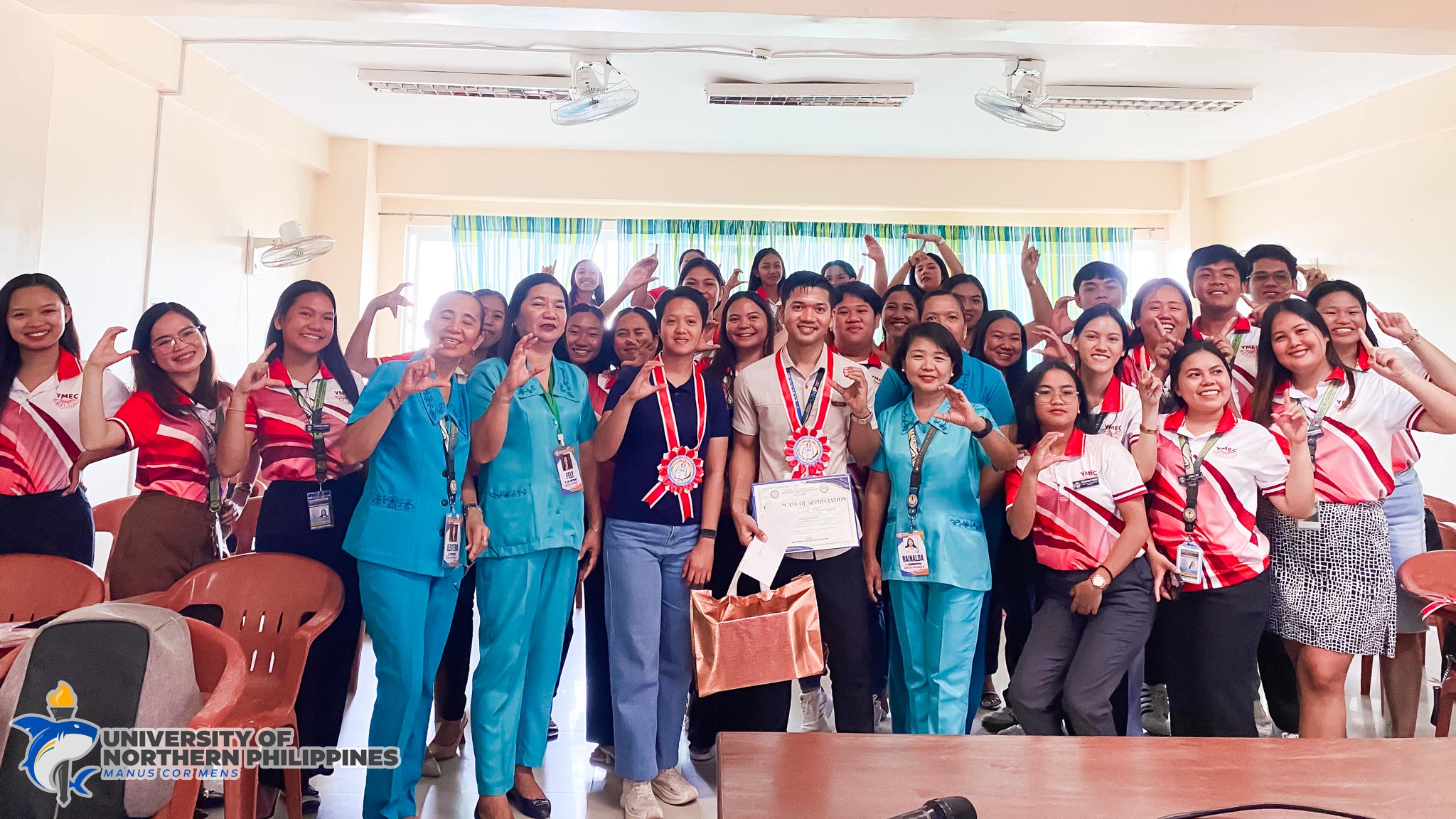
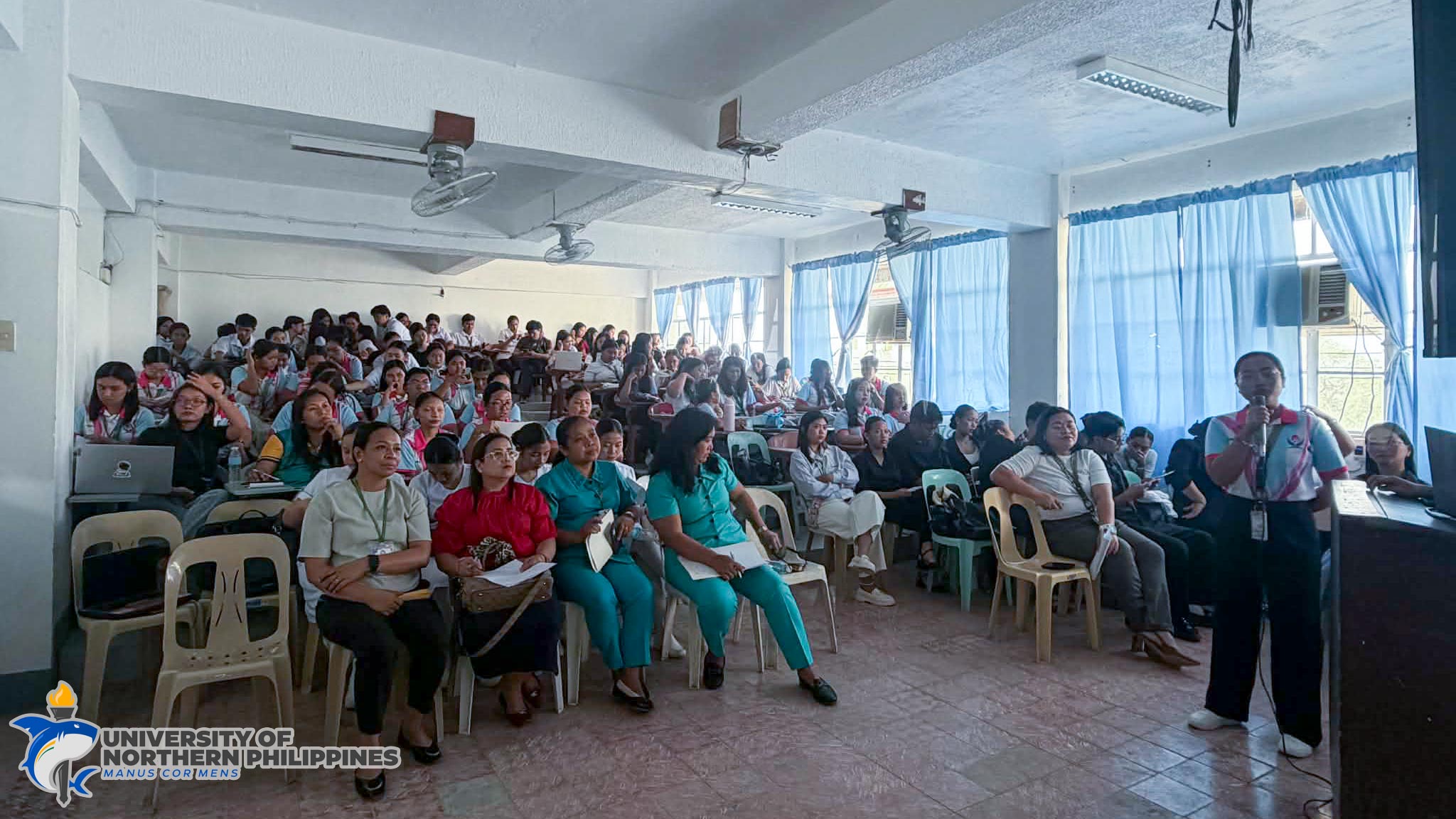
In a bold display of youth leadership and civic commitment, a coalition of student organizations spearheaded a community-driven coastal outreach program, “Green Shields: Mangrove Planting & Lepto-Safe Living,” on February 20, 2026, at Dardarat, Cabugao, Ilocos Sur—uniting environmental protection and public health advocacy in a single transformative initiative.
Spearheaded as one of the University of Northern Philippines’ extension activities, the program emphasized the university’s mission to strengthen community resilience through meaningful service and grassroots education.
The initiative by the Young Vanguards of the Environment in collaboration with the Nursing Students’ Organization and the Mathematics Wizards Organization embodied the spirit of collective responsibility under the theme, “Stronger shores. Safer homes. United action.” More than a single-day outreach, the program seamlessly integrated environmental conservation with vital health education, responding directly to the pressing needs of the community. Through mangrove advocacy and public health awareness, the student-led coalition demonstrated how interdisciplinary action can create lasting impact. Guiding and supporting the engagement were Dr. Jill Ann Paranada and Dr. Christy Venezuela, whose presence reinforced the university’s commitment to meaningful community extension and transformative service.
Participants took to the shoreline to plant mangrove seedlings, strengthening the coast’s natural defense against erosion and storm surges. The activity also included an assessment of mangroves planted in January 2025, with volunteers monitoring their growth and overall condition to ensure the long-term sustainability of the reforestation initiative.
Beyond environmental conservation, the team expanded its outreach through a house-to-house information drive on leptospirosis prevention. Under the campaign banner “Splash Smart: Protektado Laban Lepto!”, residents were provided with educational materials outlining practical safety precautions, early symptom detection, and proper sanitation practices—critical measures in reducing infection risks, particularly during the rainy season and periods of flooding.
Organizers emphasized that the initiative embodies a collective commitment to foster resilient communities through collaboration, knowledge-sharing, and grassroots action. By uniting ecological stewardship with public health advocacy, the program reinforced a powerful message: safeguarding the environment is inseparable from safeguarding human lives.