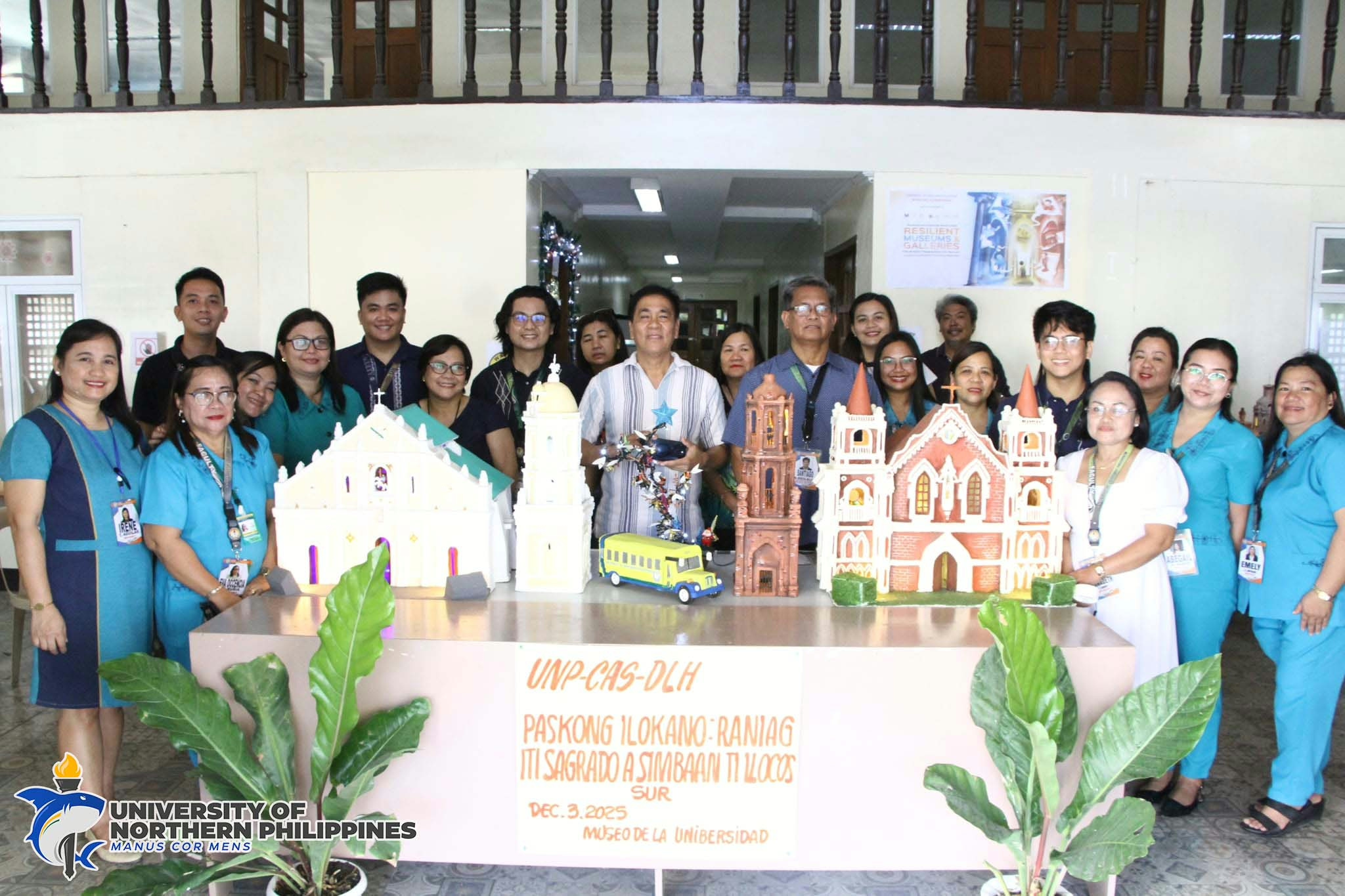
The timeless beauty of Ilocos Sur’s historic churches was brought into the spotlight as the University of Northern Philippines’ Department of Languages and Humanities (DLH) launched “Paskong Ilokano: Raniag iti Sagrado a Simbaan ti Ilocos Sur,” a cultural exhibit that celebrates the province’s cherished Christmas traditions while emphasizing the importance of preserving sacred architectural heritage.
Held on December 3, 2025, at the Museo de la Universidad, the exhibit was spearheaded by cultural advocates Mr. Benedict Bautista and Ms. Irene Aguilar. The showcase placed the spotlight on Ilocos Sur’s historic churches, presenting them not merely as architectural treasures but as enduring pillars of the province’s faith traditions. Through visual displays and narratives, the event highlighted how these centuries-old structures continue to shape Christmas celebrations in the region, reinforcing their vital role as symbols of devotion, identity, and communal heritage.
Dr. Santiago R. Reolalas, Head of the Museo de la Universidad, underscored that Ilokano practices such as Simbang Gabi go beyond religious observance, serving as meaningful expressions of community solidarity and a shared cultural identity. He noted that these traditions remain vital in strengthening the region’s collective heritage.
The exhibit placed the spotlight on iconic sacred structures — the Vigan Cathedral, Santa Maria Church, Bantay Church, and Sinait Basilica — presenting them not only as places of worship but also as enduring testaments to architectural artistry and centuries-old history. Each landmark was showcased as a symbol of devotion and craftsmanship, reinforcing their role as pillars of Ilocos Sur’s cultural legacy.
Through the Paskong Ilokano exhibit, the Department of Languages and Humanities reaffirmed its commitment to protect faith, culture, and heritage, offering a vibrant tribute to Ilocano identity and the true spirit of Christmas. The event further highlighted DLH’s expanding role in community engagement and cultural stewardship, strengthening its mission to serve both the university and the broader public.
The initiative also promoted inclusivity and educational empowerment, aligning with the United Nations Sustainable Development Goals on quality education, gender equality, and sustainable communities, stressing the department’s effort to connect cultural preservation with global development priorities.
Article by Eden Beronilla.