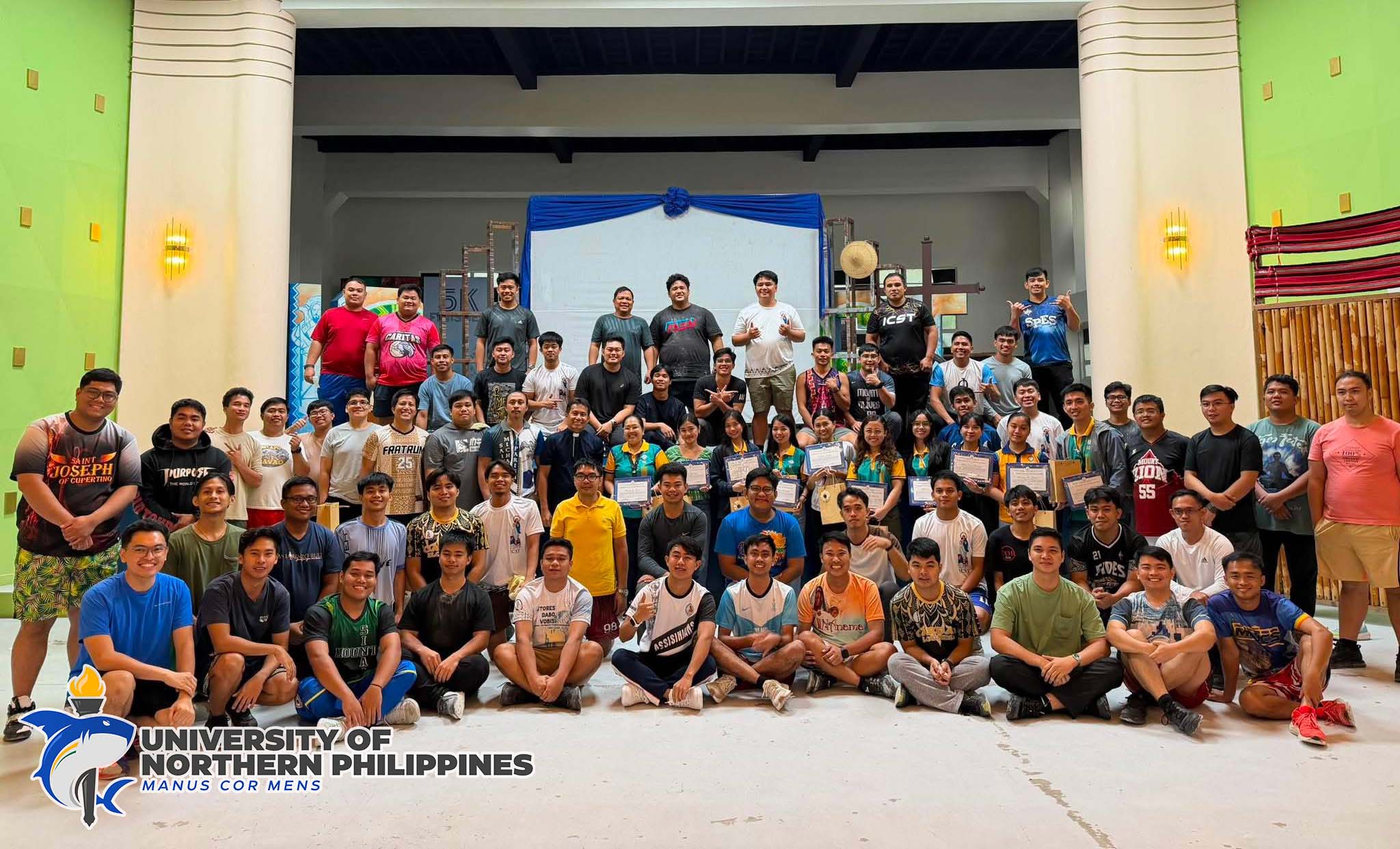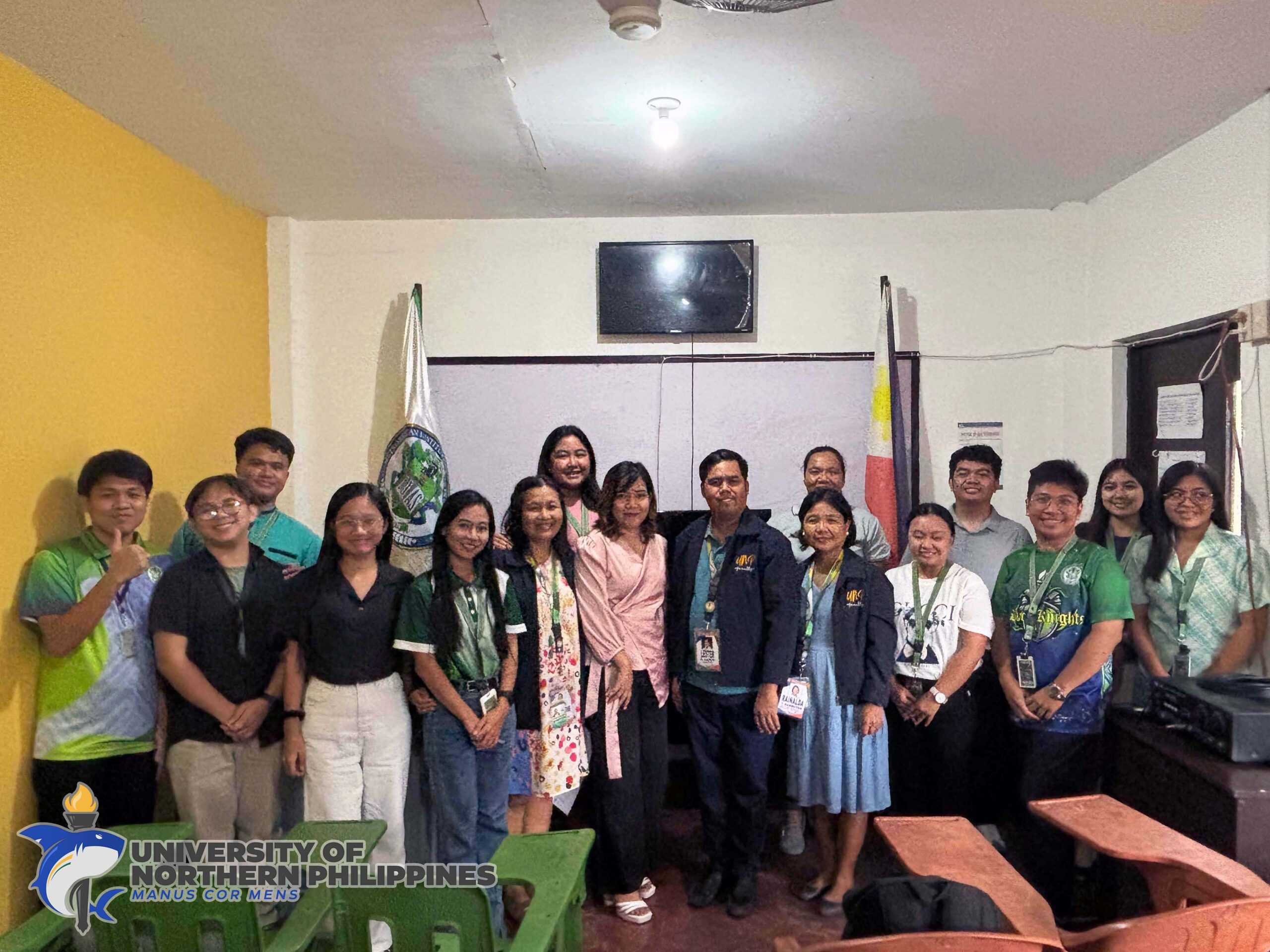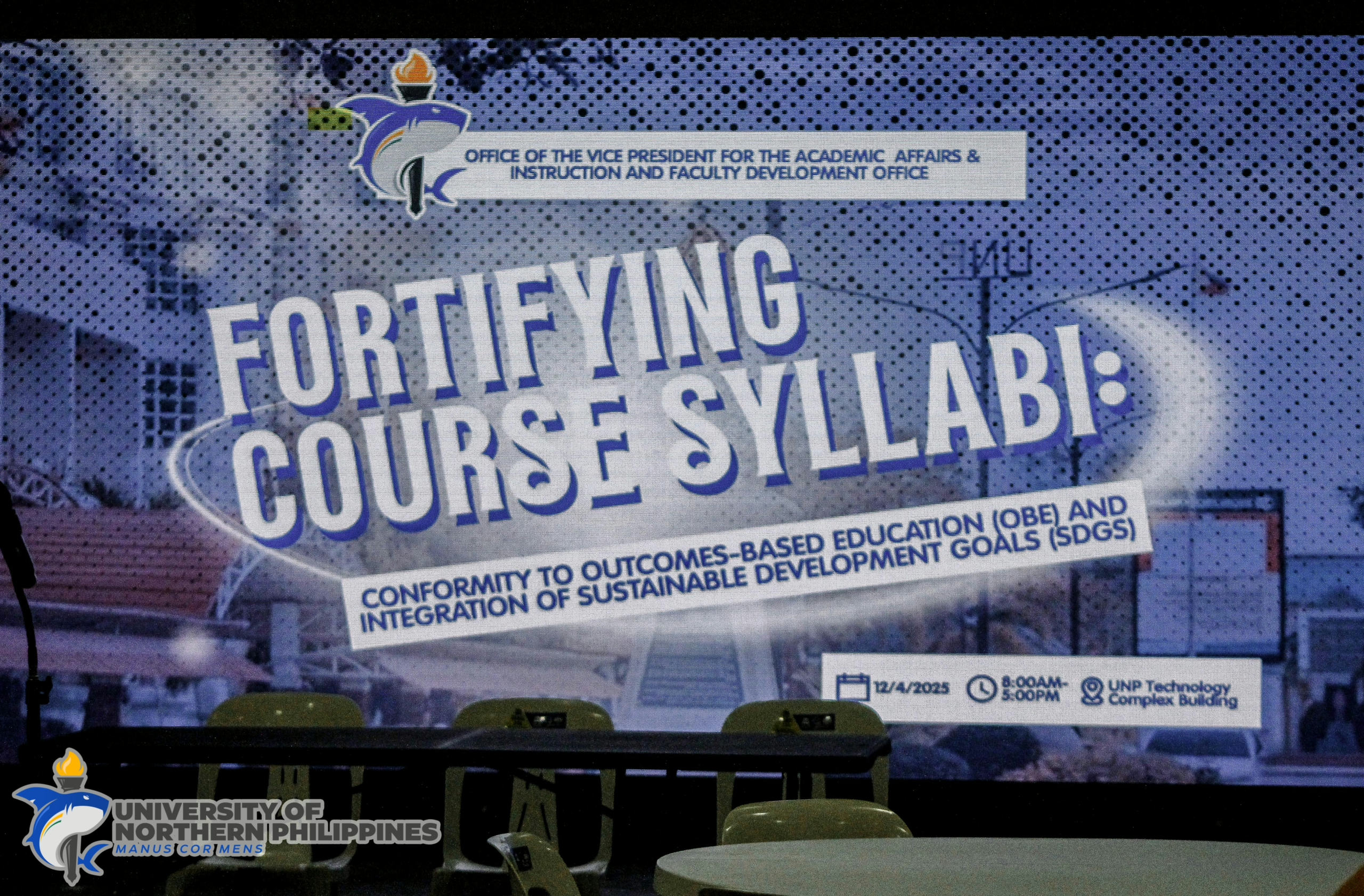
The University of Northern Philippines amplified its commitment to academic excellence on December 4, 2025, as the Instruction and Faculty Development Office, in partnership with the Office of the Vice President for Academic Affairs, convened all program heads for a seminar-workshop at the CTEch Function Hall focused on strengthening curriculum alignment, refining assessment practices, and addressing key instructional challenges across the University’s academic programs.
Vice President for Academic Affairs Dr. Rolando Navarro formally opened the seminar-workshop with a welcome message that highlighted the University’s ongoing efforts to strengthen academic leadership and uphold quality standards in all programs. He emphasized that gatherings such as this play an essential role in fostering shared understanding, aligning institutional priorities, and ensuring that program heads remain fully equipped to lead their respective academic units.
Following his remarks, Dr. Luzviminda Relon, Director of the Instruction and Faculty Development Office (IFDO), delivered a detailed presentation on the rationale behind the initiative. She revisited the key duties and expectations of program heads, stressing the need for proactive engagement in curriculum mapping, outcomes-based education, assessment planning, and instructional supervision. Dr. Relon also outlined several emerging challenges—ranging from curricular inconsistencies to evolving accreditation requirements—that prompted the organization of the seminar. Her presentation emphasized the urgency of addressing these concerns
The technical sessions began with an extensive lecture by Mr. Lester Aaron, who unpacked the core principles of developing SMART (Specific, Measurable, Achievable, Relevant, Time-bound) outcomes as the foundation of sound instructional planning. He guided participants through the systematic alignment of Program Outcomes (POs), Course Learning Outcomes (CLOs), and Intended Learning Outcomes (ILOs), stressing that meaningful learning takes place when these outcomes are clearly connected to well-designed Teaching–Learning Activities (TLAs). Mr. Aaron also demonstrated practical approaches to curriculum mapping, showing how faculty can ensure coherence across courses and enhance the overall structure of their academic programs.
Building on this discussion, Dr. Mark Angelo Reotutar delivered the second lecture, which centered on strengthening assessment practices. He provided a detailed explanation of assessment tasks and their corresponding cognitive levels, referencing established educational frameworks to help program heads evaluate whether their assessments accurately reflect targeted competencies. Dr. Reotutar also presented strategies for improving the Table of Specification (TOS), emphasizing its role in validating assessment tools, balancing content and skills, and ensuring fair measurement of student performance. His session equipped participants with concrete methods for refining assessment instruments to support more effective and evidence-based instruction.
During the afternoon writeshop, participants engaged in the detailed revision and enhancement of their respective course syllabi, ensuring alignment with updated academic standards and institutional expectations. Representatives from the Colleges of Criminal Justice Education, Nursing, Health Sciences, Public Administration, Hospitality and Tourism Management, and Social Work later presented their refined outputs, showcasing improvements in course structure, learning outcomes, and assessment strategies.
The session concluded with an open forum, providing participants an avenue to clarify issues, seek guidance, and raise academic concerns. These matters were formally endorsed to the Office of the Vice President for Academic Affairs and the Instruction and Faculty Development Office for further action and policy consideration.
Certificates of appreciation and participation were presented to the speakers and attendees, recognizing their contributions to the day’s discussions and outputs. The program concluded with closing remarks from Dr. Archie Martinez who stressed the vital leadership role of program heads in upholding academic quality in the university. He further encouraged them to conduct re-echo sessions within their respective programs, assuring continued guidance and support from the Instruction and Faculty Development Office.