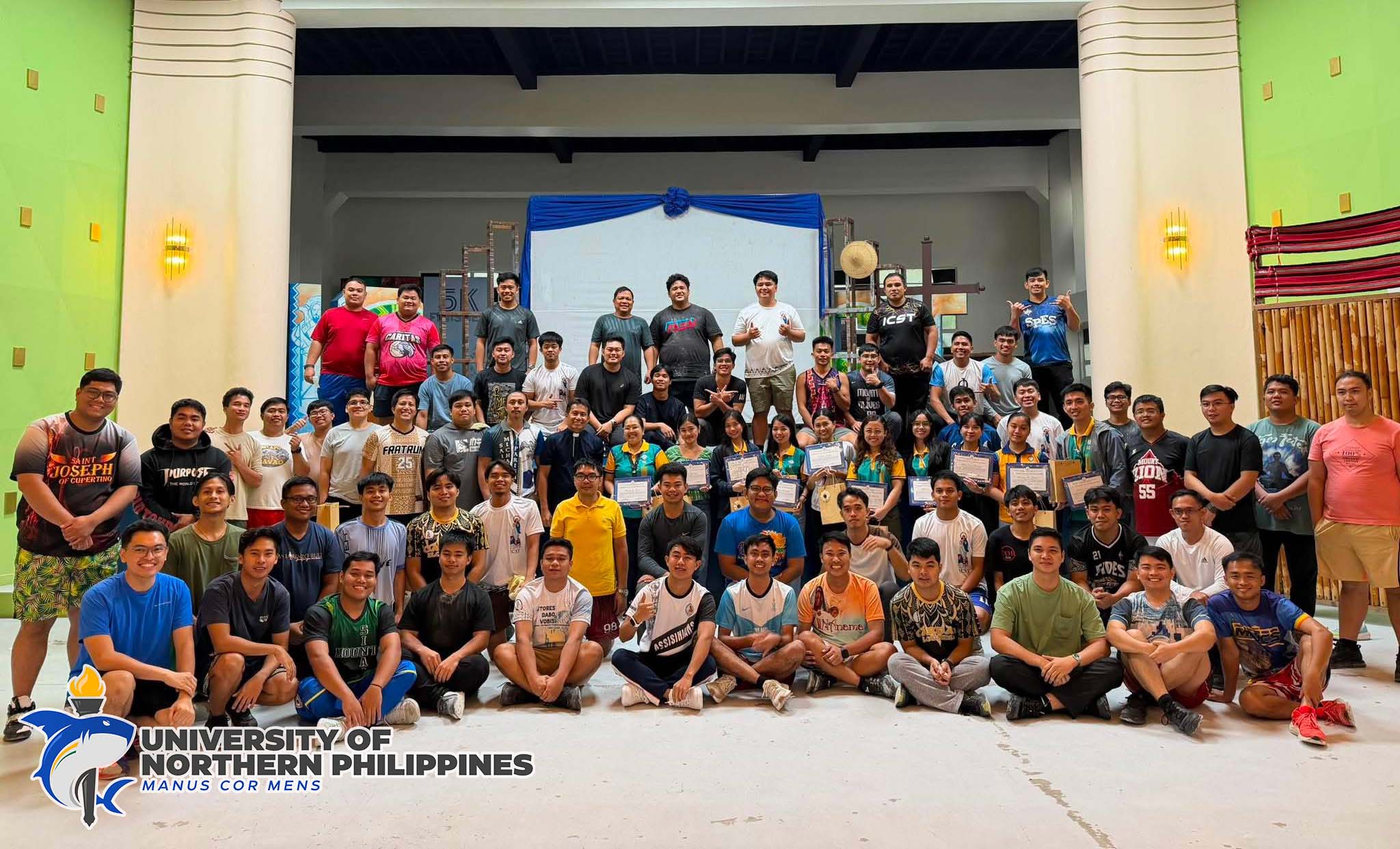
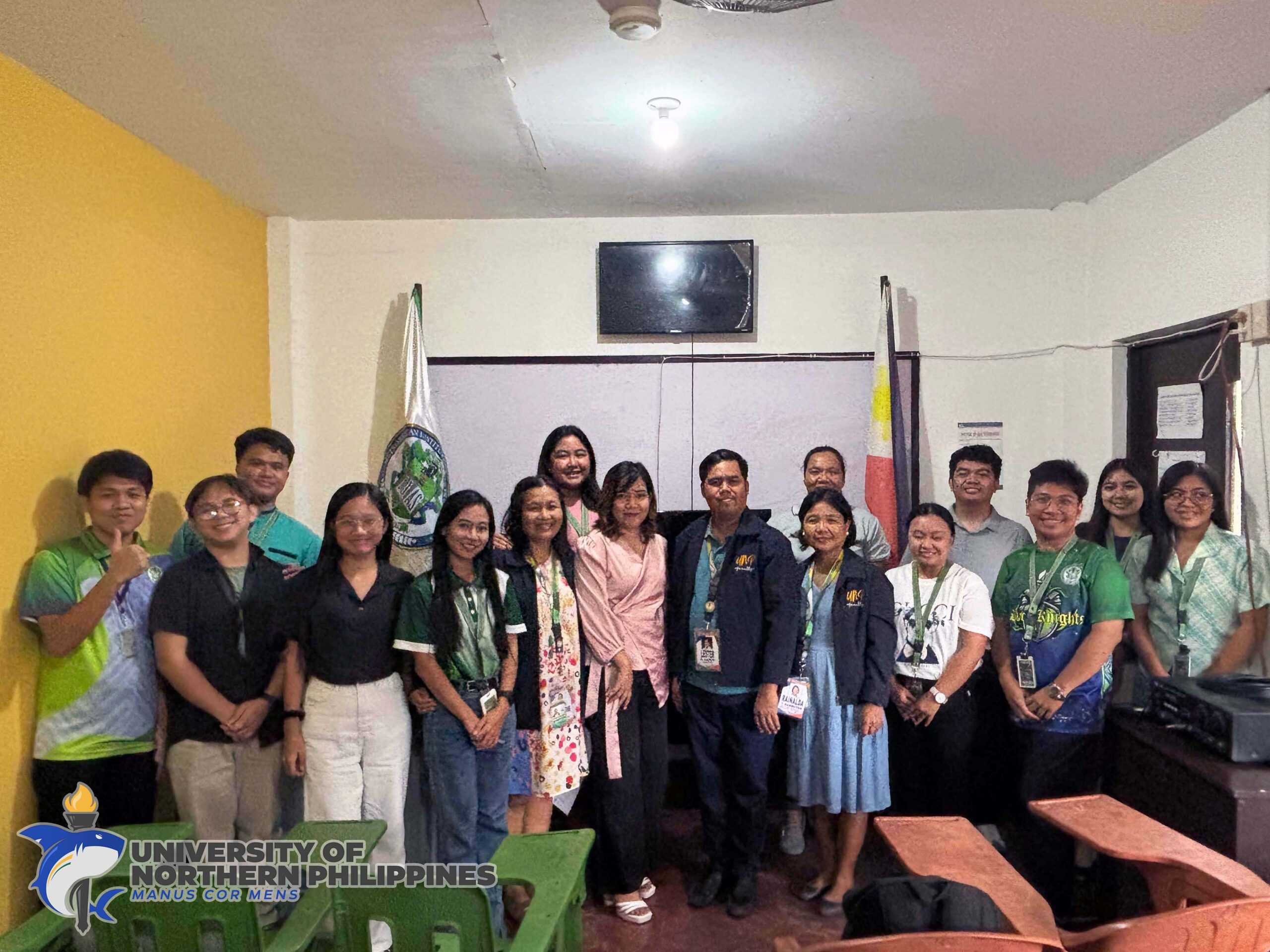
The University of Northern Philippines, through the BS Biology Program of the College of Arts and Sciences reinforced its dedication to health, safety, and community preparedness by hosting a Basic Life Support (BLS) Training from December 9 to 12, 2025 at the CTECH Complex.
The four-day training, held in partnership with the Philippine Red Cross – Ilocos Sur Chapter, carried the theme “Biologists at the Frontline: Equipping Biology Students with Life-Saving Skills.” Designed to strengthen both knowledge and practical capability, the program equipped third-year BS Biology students and faculty members with essential emergency response skills, ensuring they are ready to face real-world situations during their practicum and future professional endeavors.
Highlighting the broader impact of the training, Dr. Charo Rojas, BS Biology Program Head, stressed that the initiative extends beyond fulfilling academic requirements. She noted that equipping students with life-saving skills exemplifies the program’s dedication to develop graduates who are not only scientifically proficient but also socially responsible and committed to service. Dr. Rojas added that the capacity to respond effectively in emergency situations is a crucial responsibility for future biologists, particularly as they undertake fieldwork, laboratory research, and community engagement activities.
Guided by experts Mr. Jethro Jay Rafanan and Mr. Reynart Reyes, and supported by facilitators Mr. John Louie Lazo Ridulfa, Mr. Mark Aaron Quitajon Angcon, Ms. Christien Ann Supnad Amorada, and Ms. Angelica Laruan, the training offered participants an intensive, hands-on learning experience. Through meticulous supervision and practical demonstrations, the team ensured that attendees not only mastered crucial emergency response skills but also developed the confidence to apply them in real-life situations.
Participants engaged in rigorous, hands-on sessions designed to hone their life-saving skills, focusing on cardiopulmonary resuscitation, choking response, and the correct operation of automated external defibrillators. The training highlighted critical emergency principles, including maintaining a clear airway, supporting effective breathing, and sustaining circulation—essential interventions during cardiac arrest and other life-threatening situations. Through these practical exercises, attendees gained the confidence and competence needed to act decisively in real-world emergencies.
The activity highlighted the critical importance of readiness and swift action, emphasizing that the ability to respond effectively is essential not only in clinical and laboratory settings but also in everyday scenarios where timely intervention can save lives. Under the guidance of skilled professionals, participants enhanced both their theoretical knowledge and hands-on proficiency in basic life support techniques.
The initiative also reflected the University’s dedication to advance the United Nations Sustainable Development Goals (SDGs), particularly SDG 3 – Good Health and Well-being, SDG 4 – Quality Education, and SDG 17 – Partnerships for the Goals. By combining experiential learning with practical skill development, the program fostered a safer academic environment and promoted a more health-conscious community.
Through this effort, the BS Biology Program reaffirmed its commitment to apply biological expertise in service of life, health, and safety, while nurturing a culture of preparedness, responsibility, and community service among students and faculty alike.
Article by Daren Dawn Avila.