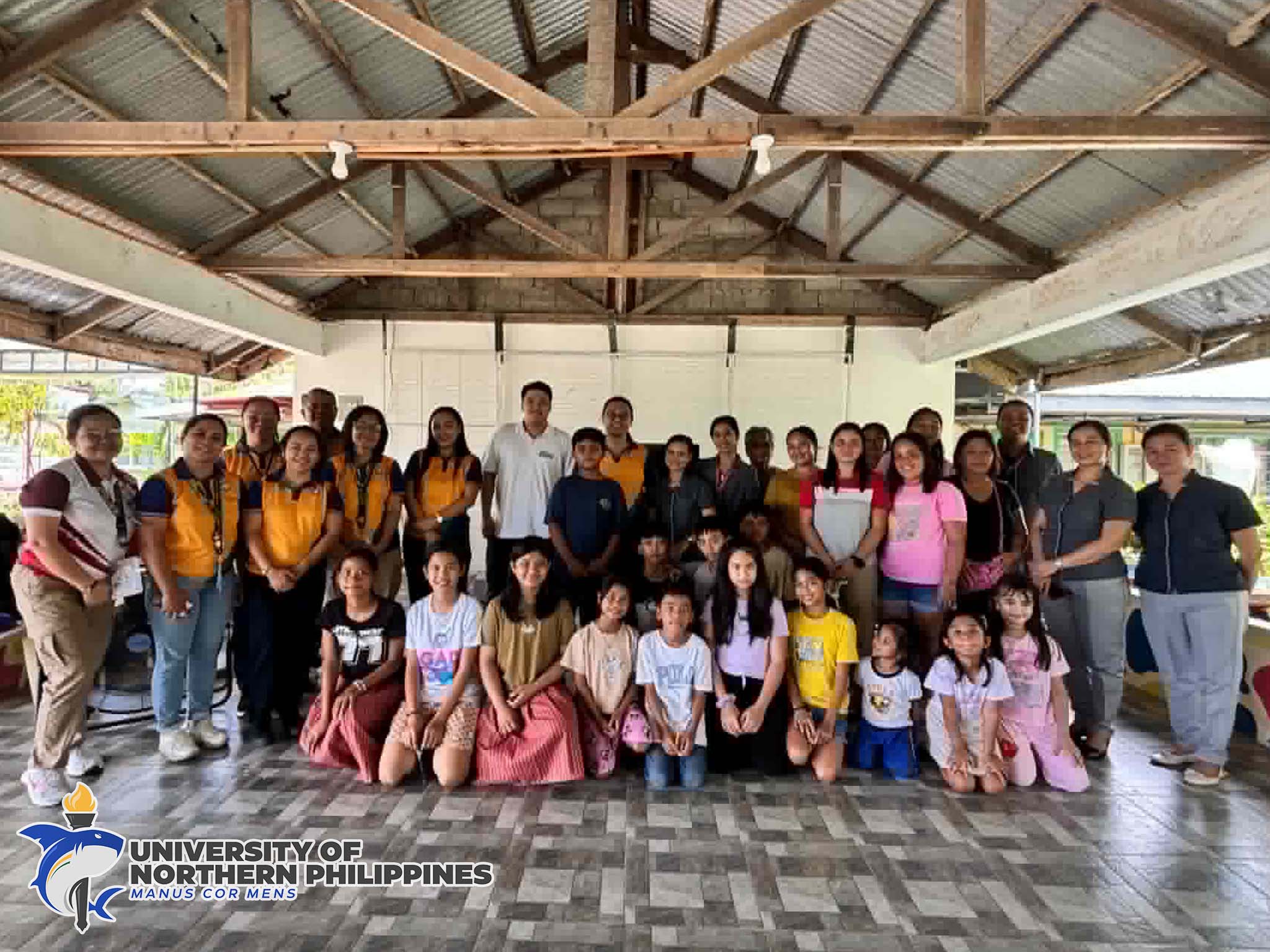
Strengthening community engagement through science-based extension initiatives, faculty experts from the University of Northern Philippines’ Department of Mathematics and Natural Sciences (DMNS) spearheaded a needs assessment and capacity-building program at Sagayaden Elementary School on July 9, 2026.
The initiative commenced with a comprehensive needs assessment that actively engaged teachers, pupils, parents, and school personnel to identify the institution’s priorities, challenges, and opportunities for establishing sustainable school gardens.
Building on the assessment, the afternoon session featured a series of expert-led capacity-building lectures that equipped participants with practical knowledge on innovative and sustainable gardening practices. Mr. Rhommel Aninag demonstrated the principles of vertical gardening, showcasing space-efficient techniques for maximizing limited areas. Ms. Christa Jesusa Naval shared essential concepts in horticulture, emphasizing effective plant cultivation and garden management, while Ms. Jenny Grace Almazan introduced hydroponics as a modern, soil-free method of food production that promotes resource efficiency. Capping the training, Dr. Alma Segismundo highlighted the transformative role of sustainable school gardens in fostering environmental stewardship, strengthening food security, and cultivating lifelong sustainability values among learners and the wider community.
The initiative, spearheaded by the DMNS under the leadership of Department Head Dr. Restituto Llagas was launched in response to the request of Mr. Gilbert Asuncion, Principal of Sagayaden Elementary School. More than an extension activity, the program embodies the University of Northern Philippines’ commitment to empower communities through education, environmental stewardship, and sustainable development.
By strengthening partnerships with local schools and communities, UNP continues to translate its academic expertise into meaningful action, advancing inclusive growth and building resilient, self-sustaining communities through responsive extension services and capacity-building initiatives.
Article by Digna Jacob