The College of Teacher Education showcased cultural preservation and inclusivity as its programs— Bachelor of Physical Education, Bachelor of Culture and Arts Education, Bachelor of Secondary Education, Bachelor of Elementary Education, Bachelor of Early Childhood Education, and Bachelor of Special Needs Education —hosted Sining Katutubo: A Lecture-Workshop on Indigenous Art and Heritage through a Gender-Responsive Approach on March 6, 2026, at the CTE Function Hall, highlighting the fusion of indigenous art, heritage, and gender-sensitive education.
Dr. Ma Teresa Susan Manzano, Dean of the College of Teacher Education, opened the Sining Katutubo lecture-workshop with a powerful reminder: art is more than expression—it is memory, identity, and heritage. “Our indigenous arts carry the wisdom of generations,” she said, urging future educators to preserve them as living testaments to Filipino creativity, dignity, and humanity. Dr. Manzano called on participants to become champions of cultural appreciation, guardians of indigenous heritage, and advocates for gender inclusivity, highlighting the vital role of teachers in safeguarding the nation’s cultural legacy.
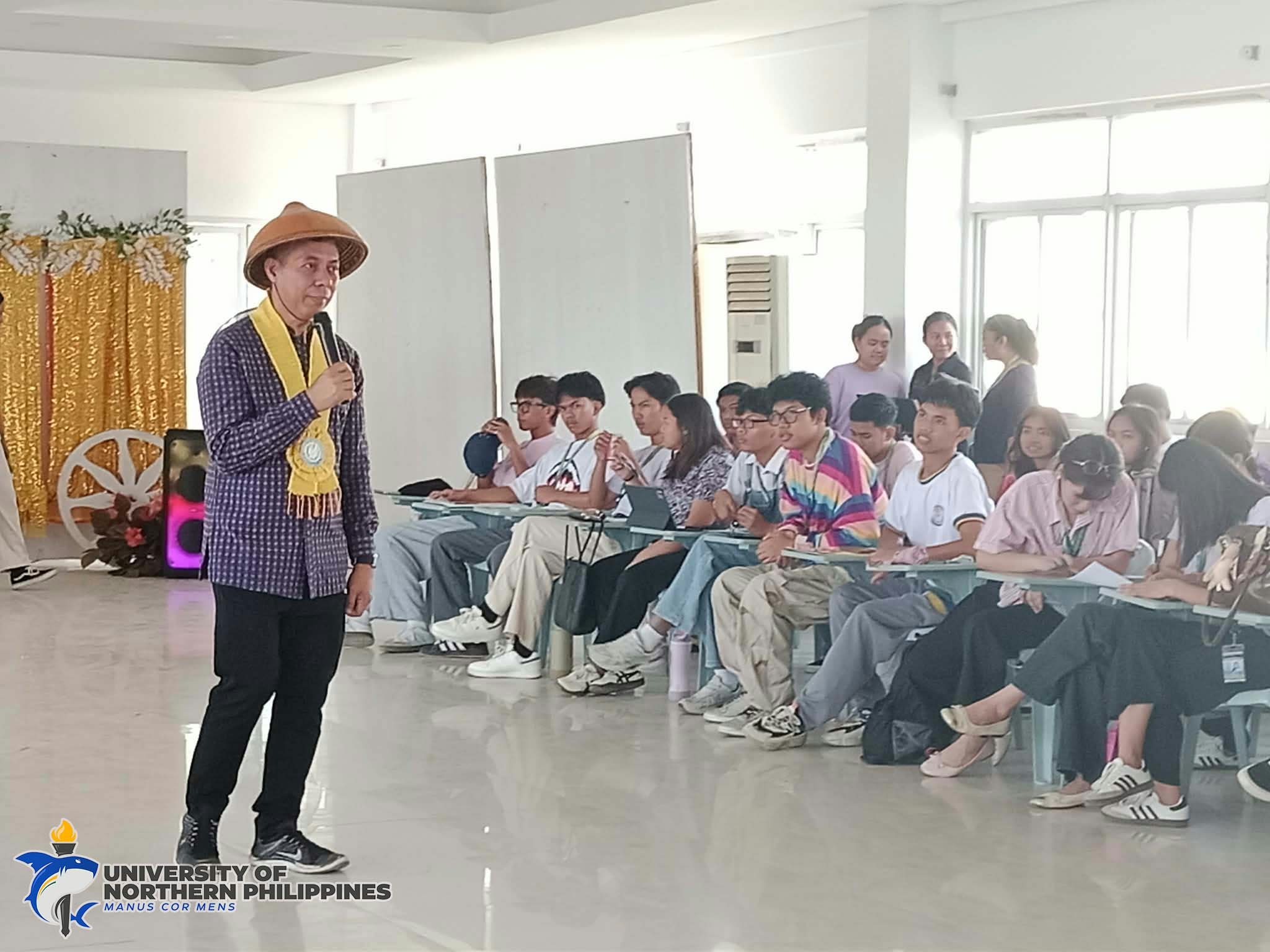
Dr. Matilde Concordia, head of the Bachelor of Physical Education program, formally introduced the keynote speaker for the event, Dr. Edwin Antonio, Founder and Director of Katutubo Exchange Philippines. Dr. Antonio led the lecture-workshop with a focus on preserving and promoting indigenous art and cultural heritage. Participants engaged in a series of hands-on workshops, exploring indigenous languages, Baybayin writing, and the gender-specific designs of traditional textiles and clothing. The event culminated in a lively recital and fashion show, providing a platform for participants to share insights and reflect on the rich cultural traditions of the Philippines.
The event aimed to promote cultural preservation, inclusive education, and gender equality, aligning with SDGs 4 (Quality Education), 5 (Gender Equality), 11 (Sustainable Cities and Communities), and 12 (Responsible Consumption and Production).
The initiative sought to enhance awareness and appreciation of indigenous art, provide inclusive learning experiences, and highlight indigenous women’s and gender-diverse individuals’ roles in preserving cultural arts.
Article by Anastacia B. Joven