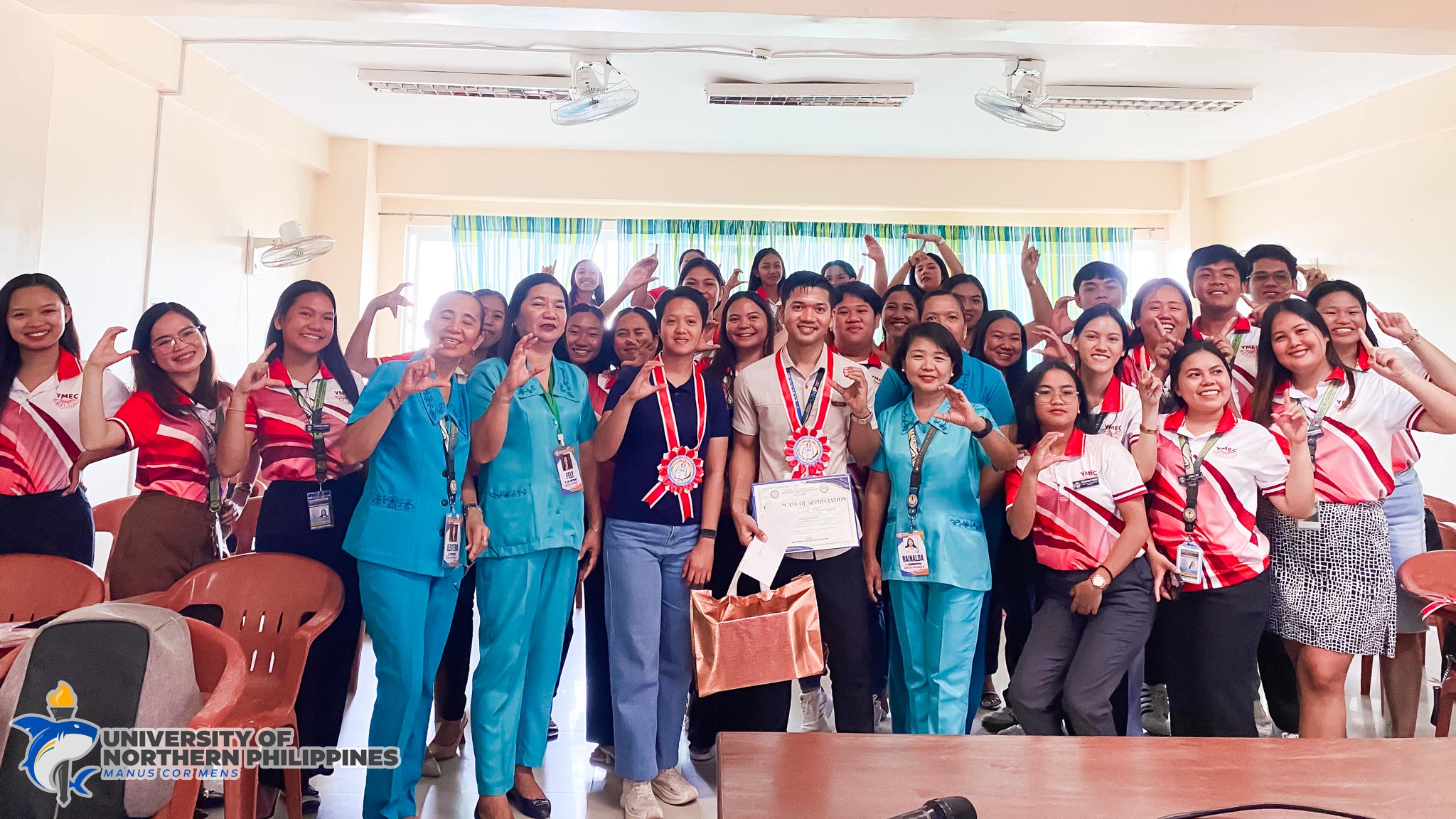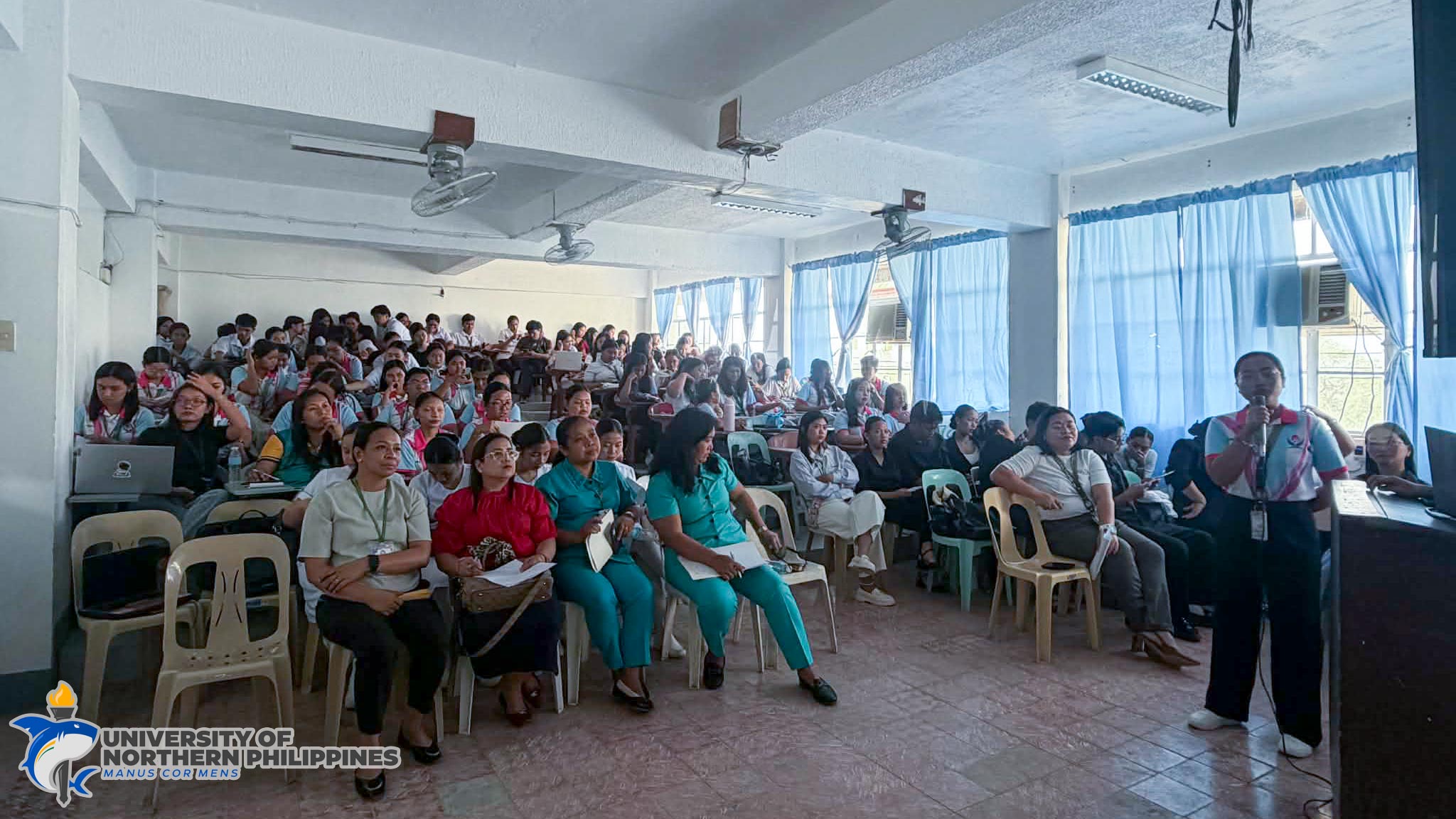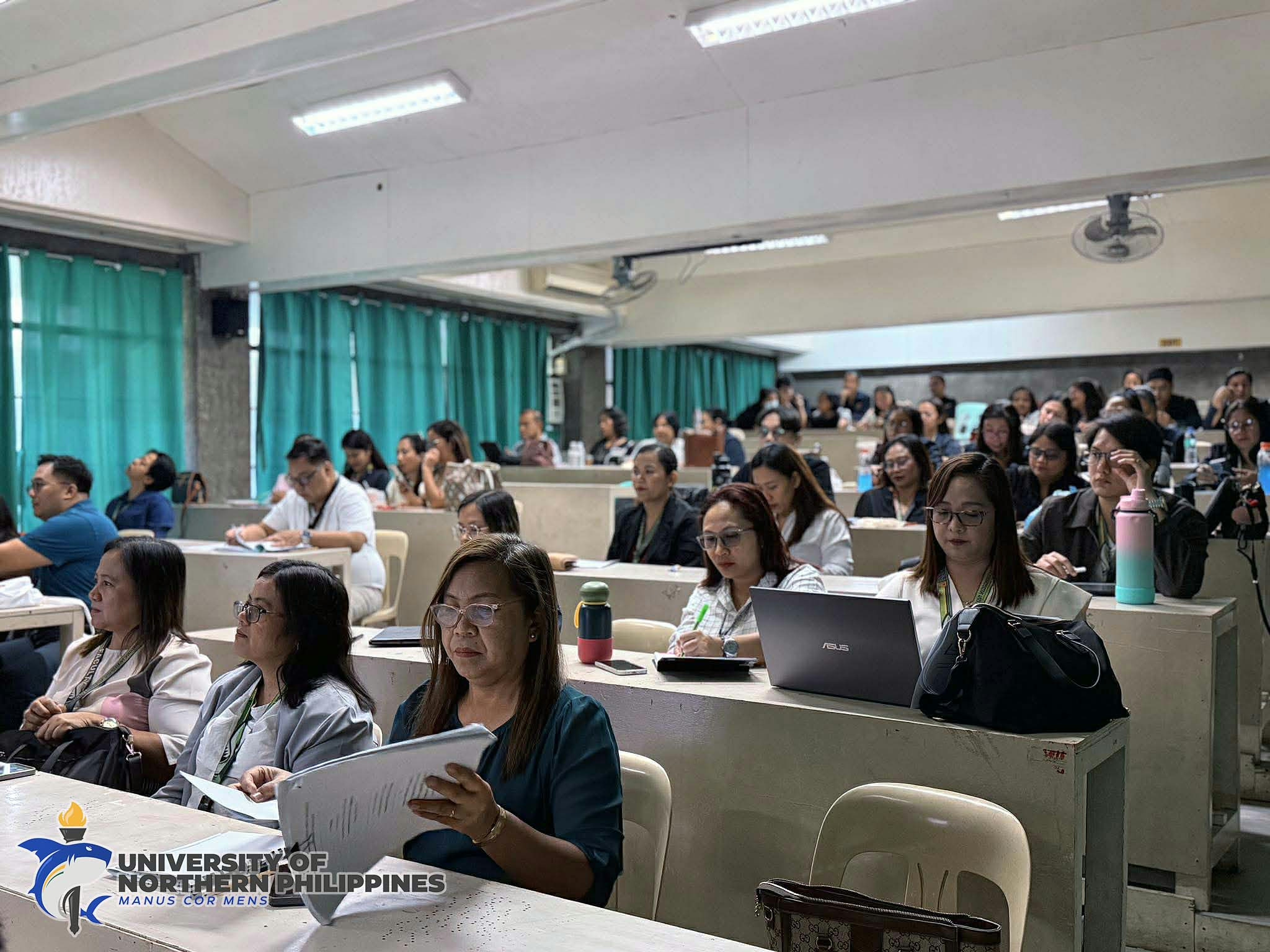
The University of Northern Philippines College of Nursing (UNP-CN) intensified its commitment to academic excellence as it hosted a Faculty Capacity Building Program on January 20, 2026 at the CN Audio-Visual Room, Science Complex, equipping Technical Committee members with advanced skills in supervising undergraduate theses and enhancing research instruction.
The activity was graced by UNP President Dr. Erwin Cadorna and Vice President for Academic Affairs Dr. Rolando Navarro, whose presence underscored the institutional support for faculty development initiatives related to research and instruction. The program formally opened with the welcome remarks of Assistant Dean Prof. Mercedes Anicas, who emphasized the importance of capacitating faculty members to ensure consistency, rigor, and quality in undergraduate thesis supervision.
The program kicked off with an engaging series of lectures that delved into the essential facets of research supervision. Dr. Francis Don Nero, CN Dean, opened the session by highlighting the pivotal roles and responsibilities of the Thesis Technical Committee, emphasizing its critical function in ensuring methodological rigor, upholding academic standards, and guaranteeing adherence to the university’s research guidelines. Following this, Prof. Cherry Banilad guided participants through the complex terrain of research ethics, offering insights into fundamental ethical principles and the processes involved in ethics review, highlighting the importance of integrity and accountability in scholarly work.
The seminar continued with an engaging series of discussions on research methodologies, equipping participants with essential skills for scholarly inquiry in the nursing field. Dr. Matt Joseph Cabanting provided an in-depth overview of the UNP–College of Nursing’s framework for conducting quantitative research, highlighting best practices in study design and data collection. Complementing this, Dr. Epifania Marlene Purisima explored qualitative research approaches, emphasizing techniques for capturing rich, contextual insights from participants.
Dr. Bernardo Oliver Arde then introduced the principles of mixed-methods research, demonstrating how integrating quantitative and qualitative data can strengthen study outcomes. The session concluded with Prof. Joyreina Ragasa’s practical discussion on basic statistics in nursing research, reinforcing participants’ abilities to analyze data effectively and interpret results with confidence.
The second part of the activity focused on the College of Nursing Research Agenda Workshop, where faculty members collaboratively reviewed and aligned undergraduate research directions with institutional priorities and identified health concerns.
The activity supports Sustainable Development Goal (SDG) 4: Quality Education by enhancing faculty competence and strengthening research supervision, and SDG 3: Good Health and Well-being by promoting relevant, ethical, and evidence-based nursing research aligned with community and national health needs.
Article by Rizza Abinsay.