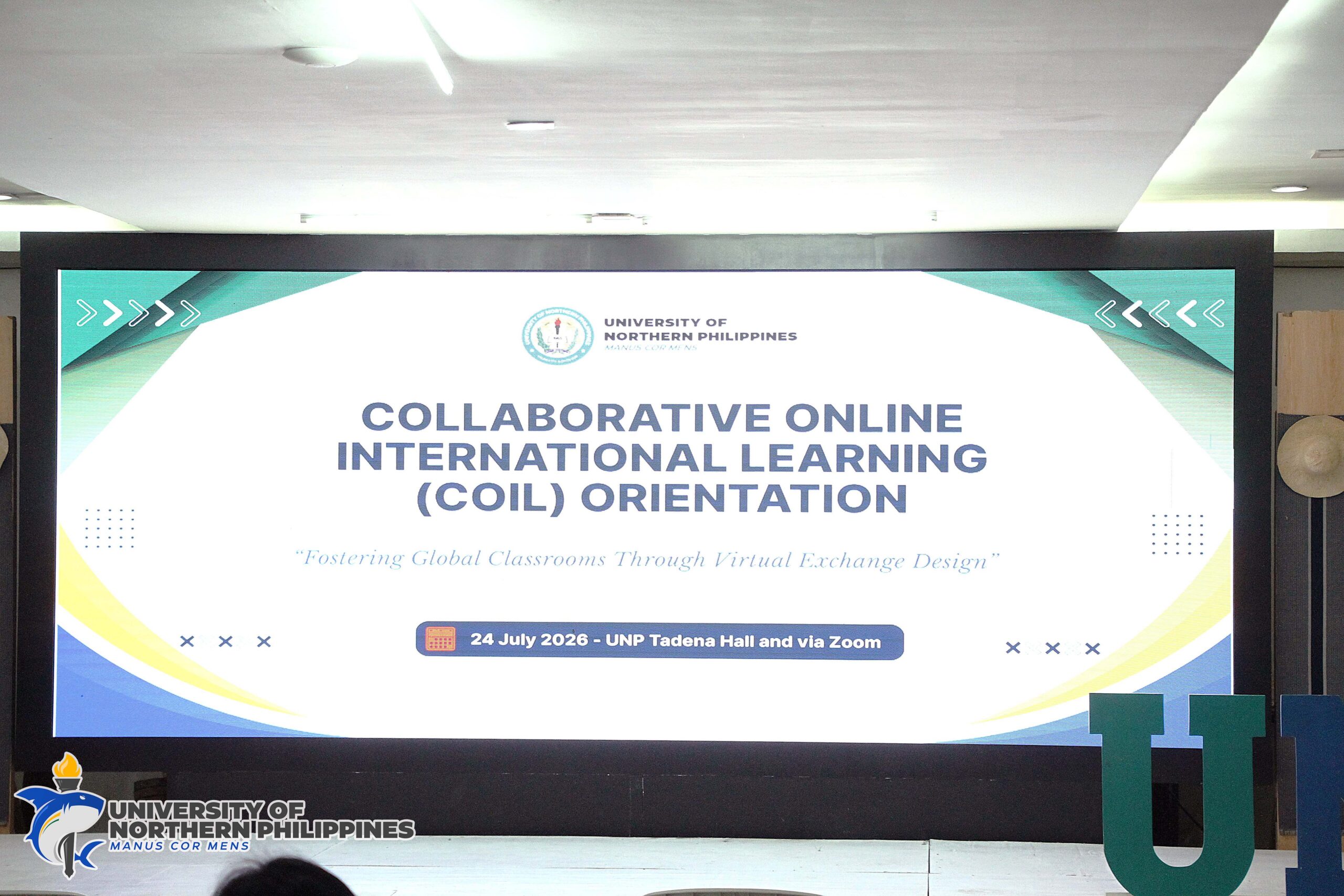
Strengthening its drive toward internationalization and global academic engagement, the University of Northern Philippines, through the collaborative efforts of the International Affairs and External Linkages Office (IAELO) and the Office of the Vice President for Academic Affairs, conducted the “Fostering Global Classrooms Through Virtual Exchange Design: COIL Orientation” on July 24, 2026.
Held in a hybrid setup at the UNP Tadena Hall, the orientation equipped educators with the knowledge, skills, and pedagogical approaches necessary to incorporate Collaborative Online International Learning (COIL) into their teaching. By promoting the integration of virtual global exchanges into the curriculum, the initiative reinforced UNP’s commitment to deliver internationally responsive education and enrich students’ academic experiences through cross-border collaboration.
The program formally commenced with a message from Vice President for Academic Affairs Dr. Rolando Navarro, who highlighted the University’s strategic commitment to expand its global academic footprint through innovative and sustainable internationalization initiatives. He encouraged faculty members to embrace globally connected teaching practices that strengthen academic excellence, promote international collaboration, and prepare students to thrive in an increasingly interconnected world.
Providing the program’s rationale, Dr. Sally Jarin, Director of IAELO, stressed the transformative potential of COIL in broadening access to international education. She emphasized that virtual exchanges offer an inclusive and cost-effective avenue for students to engage in meaningful cross-cultural collaboration, develop global competencies, and participate in international learning experiences without the need for physical mobility. Her remarks reinforced UNP’s continuing efforts to integrate internationalization into its academic programs and create globally connected classrooms that promote intercultural understanding, innovation, and academic collaboration.
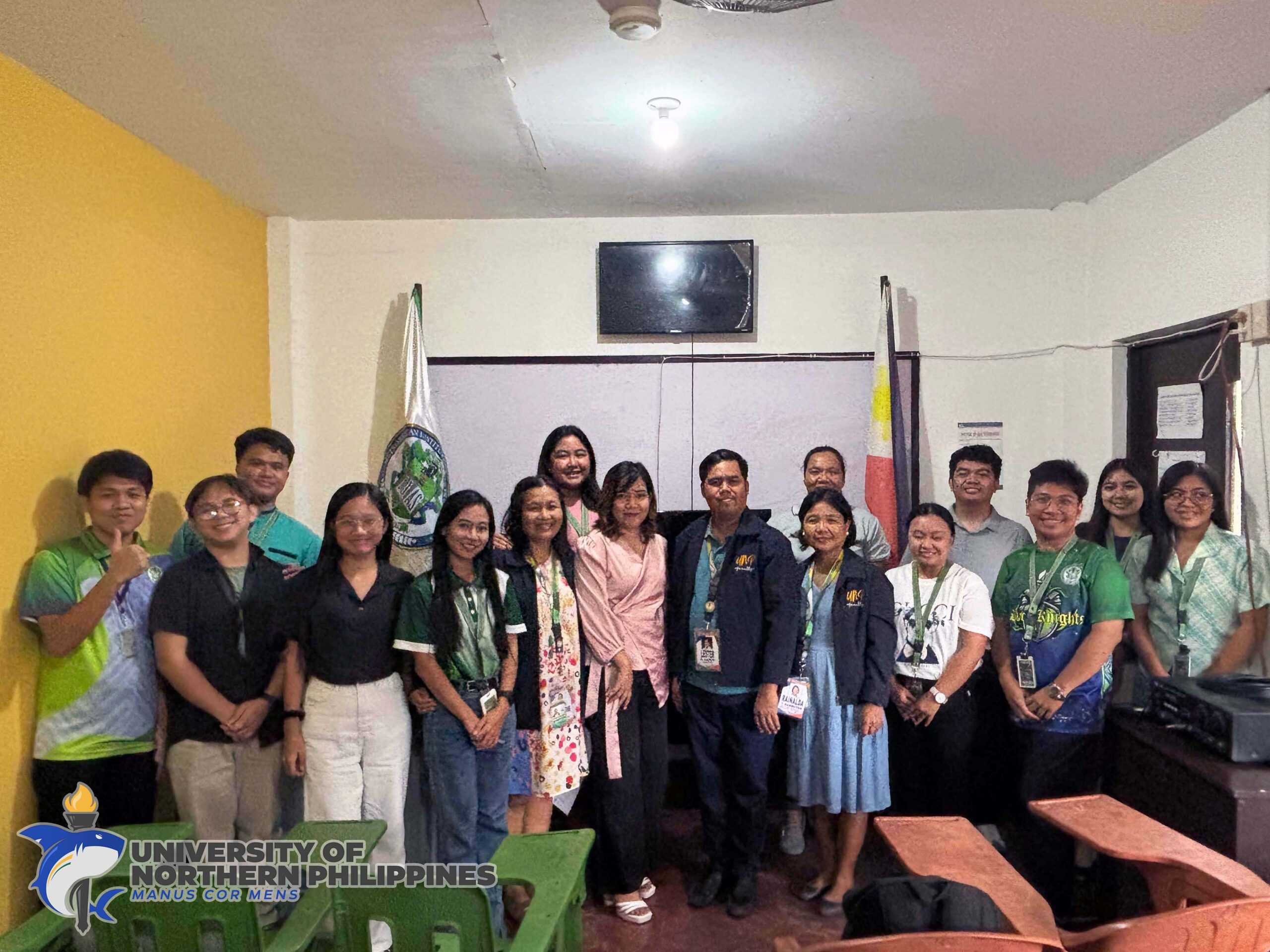
To provide participants with a deeper understanding of globally connected teaching and learning, the orientation featured distinguished experts in internationalization and Collaborative Online International Learning who shared their expertise on the design, implementation, and sustainability of virtual exchange programs. The sessions gathered UNP deans, program heads, and faculty members in an interactive learning environment aimed to strengthen their capacity to develop internationally collaborative courses and expand the University’s global academic partnerships.
Leading the discussions, Dr. Erwin Faller, Academic Director of Holy Child Central Colleges Inc. and Technical Member of the COIL BAYANIHAN Network, delivered a lecture titled “COIL as a Pedagogy for Internationalization.” He highlighted the transformative role of Collaborative Online International Learning as an innovative teaching approach that transcends geographical boundaries by leveraging digital technologies to connect students and faculty of institutions worldwide. Dr. Faller showcased how COIL raises intercultural competence, collaborative problem-solving, global citizenship, and inclusive internationalization while enabling higher education institutions to establish sustainable and mutually beneficial academic partnerships.
Following an engaging open forum that allowed participants to exchange ideas and seek expert guidance, Jack Robin Lacerna, MMEM, Director for Internationalization and External Linkages at Holy Child Central Colleges Inc., presented “The COIL Roadmap: Your Guide to COILing.” His session translated the concepts introduced earlier into practical applications by outlining the essential stages of developing and implementing successful COIL initiatives.
Participants were then guided through a hands-on workshop on crafting actionable COIL implementation plans, equipping them with concrete strategies in integrating virtual international collaboration into their curricula and laying the groundwork for future cross-border academic engagements. The interactive sessions empowered faculty members to transform innovative concepts into implementable programs that will enrich students’ learning experiences through meaningful global classroom collaborations.
Article by Winnie Caliboso.