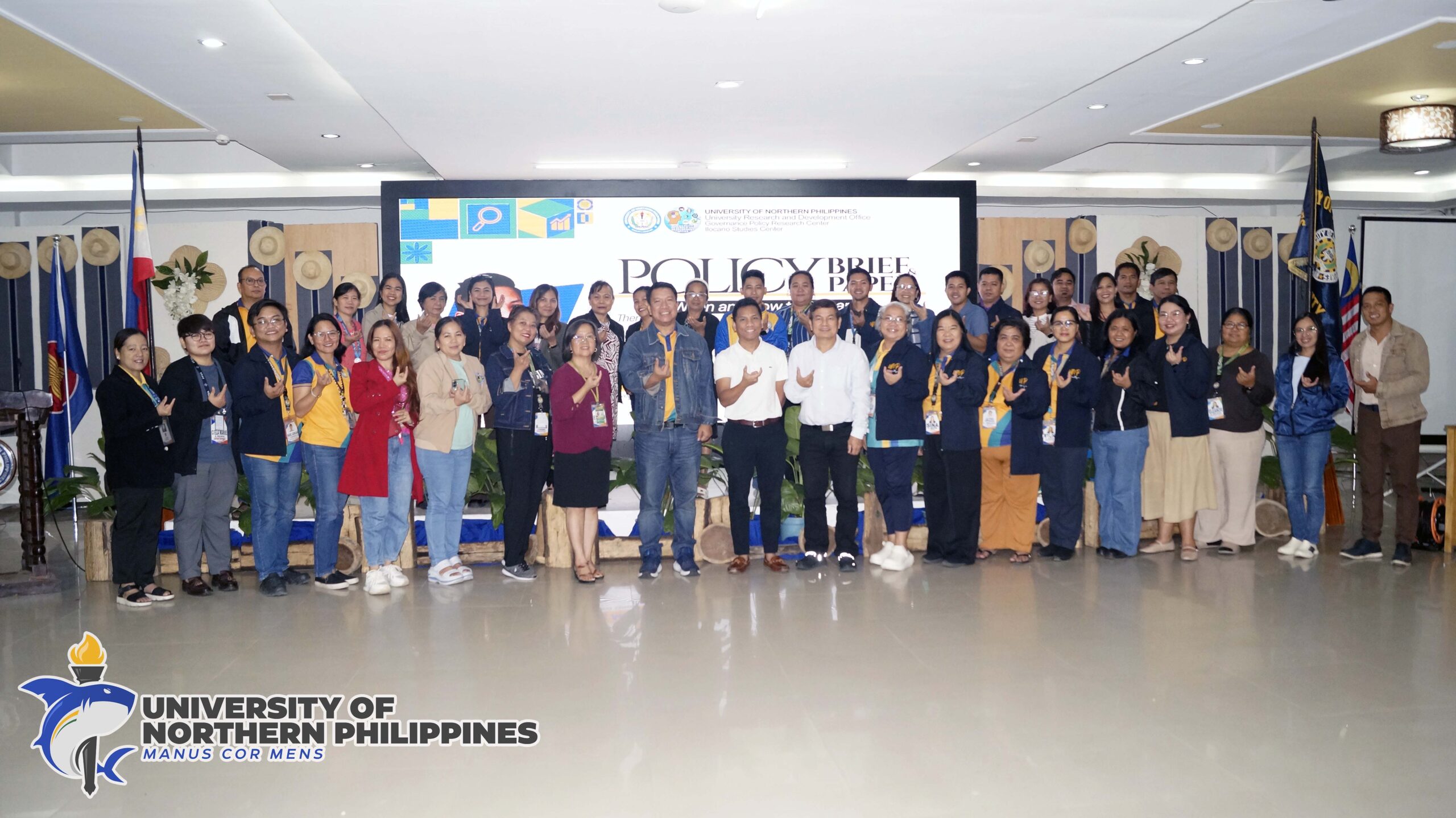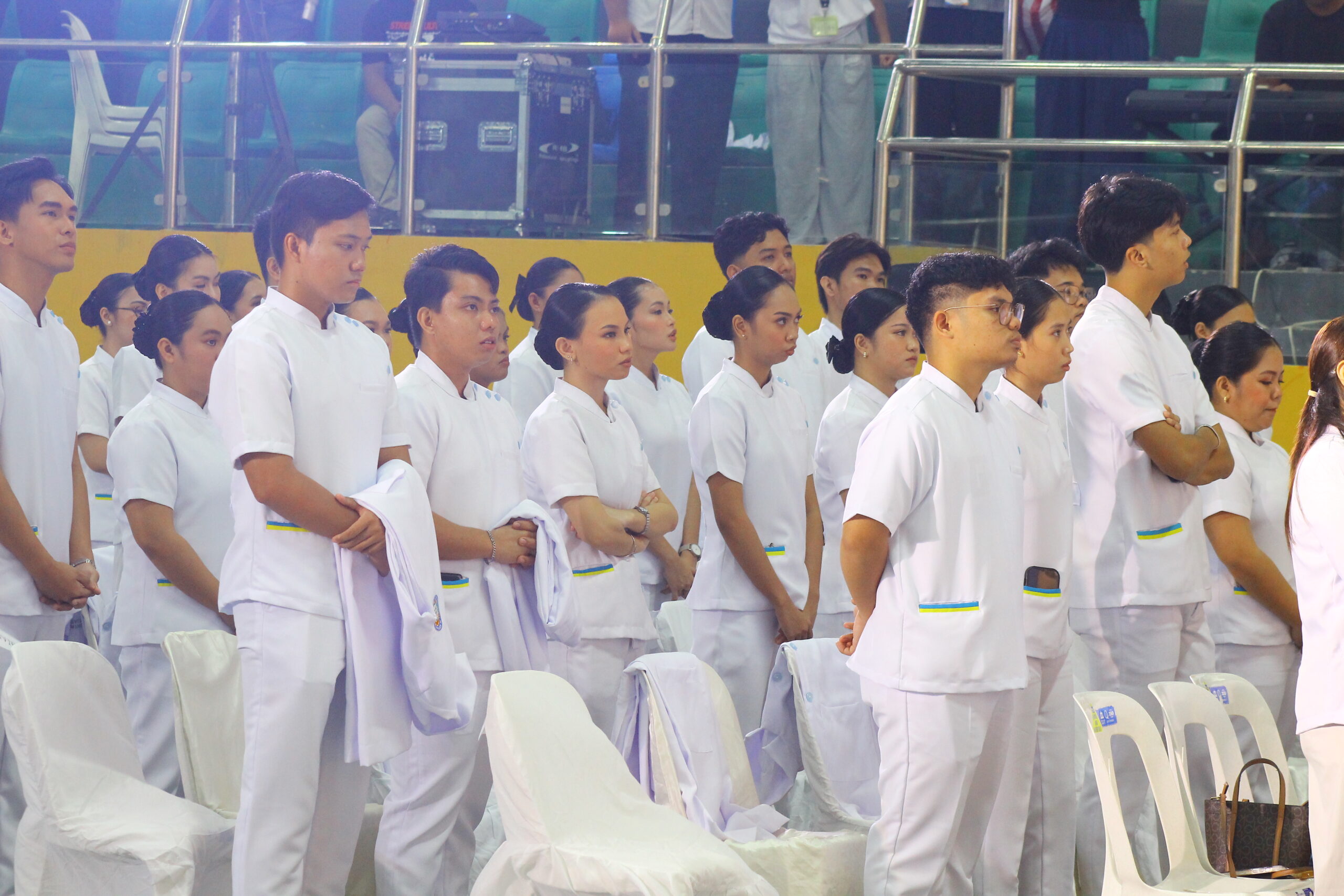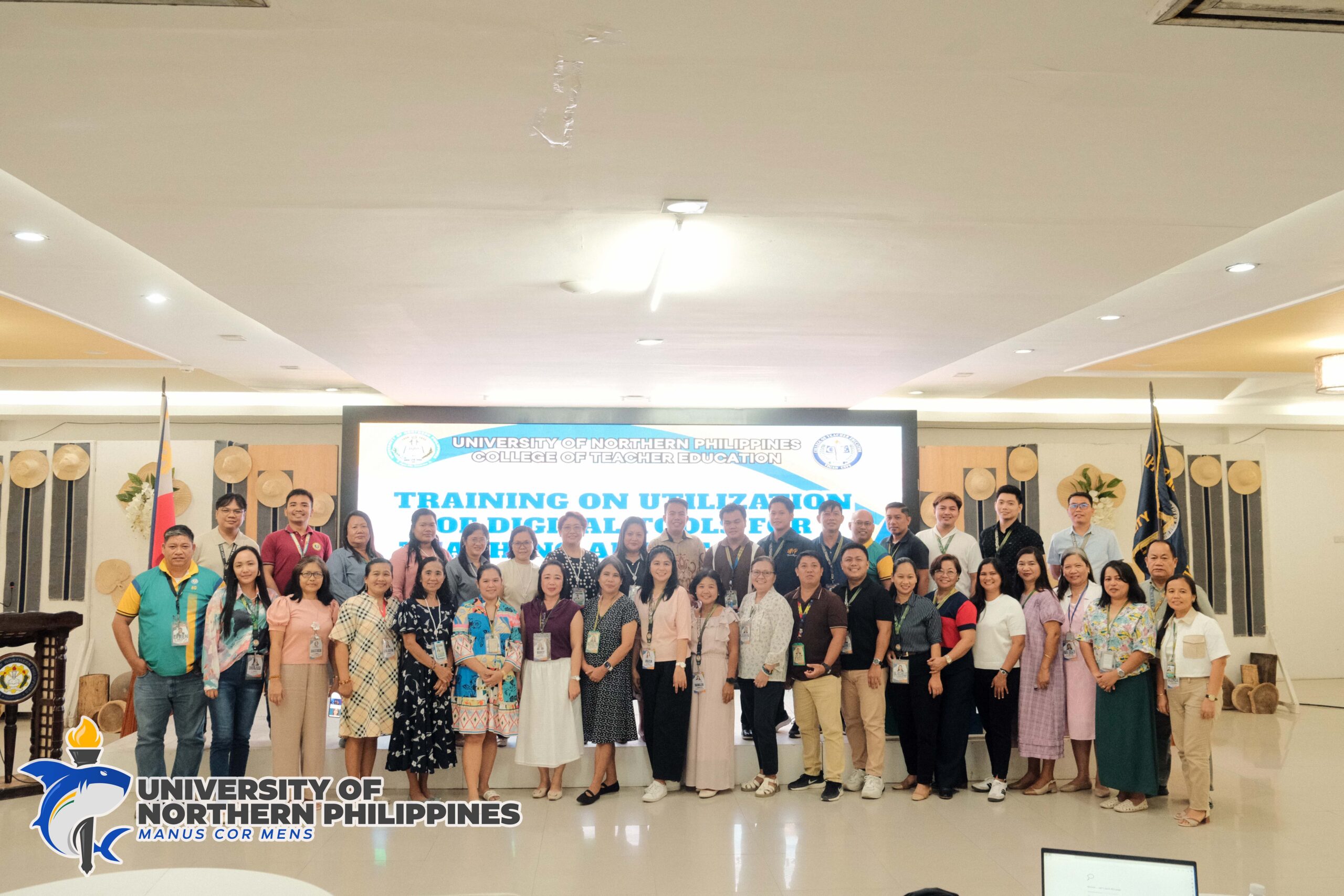
In a strategic effort to strengthen the quality of teacher education and promote evidence-based assessment practices, the College of Teacher Education (CTE) of the University of Northern Philippines held a training workshop on “Upskilling Teacher Education Faculty in Educational Assessment” on July 20, 2026 at the UNP Hostel.
Carrying the theme, “From Outcomes to Impact: Strengthening Assessment Practices in Teacher Education,” the activity aimed to enhance faculty members’ competencies in developing effective assessment strategies.
In her opening remarks, CTE Dean Dr. Ma. Teresa Susan Manzano emphasized that effective educational assessment goes beyond measuring student performance—it ensures that intended learning outcomes are transformed into meaningful learning experiences, demonstrable competencies, and lasting educational impact. She stressed that teacher educators bear the critical responsibility of preparing future professionals whose knowledge and skills will shape the communities and sectors they will eventually serve.
Dr. Manzano further described the training as a valuable platform for faculty members to critically examine and strengthen their assessment practices, promoting a culture of reflective practice and continuous improvement that reinforces the College’s commitment to excellence and quality in teacher education.
Serving as resource speaker, Dr. Mark Angelo Reotutar equipped participants with practical and research-based approaches to educational assessment, emphasizing that high-quality evaluation is fundamental to meaningful student learning. His session explored the principles of test construction, measurement, and evaluation, while distinguishing the various types of assessment used to gauge student achievement. He further emphasized the critical role of validity, reliability, discrimination index, and distractor analysis in designing robust assessment instruments that accurately measure learning outcomes and support evidence-based instructional decisions.
As part of the training, Dr. Reotutar introduced ZipGrade as a tool for item analysis, with faculty members who actively participated in the workshop activities. He likewise stressed the significance of constructive alignment in connecting learning outcomes, teaching activities, and assessments.
Among the topics discussed were the Curriculum Matrix, Porter’s Alignment Index, and the Jaccard Similarity Coefficient. According to Dr. Reotutar, well-designed assessments and constructive alignment help teachers foster higher-order thinking skills and improve students’ learning outcomes.
The July 20 session served as the second phase of CTE’s faculty development series, following a two-day workshop on July 13–14 at Tadena Hall focused on digital integration under the theme “Teaching Smarter with Digital Tools.”
Dr. Dave Fontejon opened the first day with an insightful lecture, “The New Landscape of Educational AI,” providing participants with a comprehensive perspective on the transformative role of artificial intelligence in education. Through an engaging question-and-answer session, faculty members explored emerging trends, opportunities, and challenges in AI-enabled teaching. In the afternoon, Dr. Joey Nell Marzan led an interactive session on “Prompt Engineering for Educators,” where participants took part in hands-on workshops that enhanced their ability to craft effective AI prompts, empowering them to harness generative AI as a powerful tool for instruction, assessment, and learning innovation.
On the second day of the workshop, Mr. Mark Louie Tabunan challenged participants to rethink the evolving role of educators in the age of artificial intelligence through his session, “The Mirror Effect of AI’s Impact on Mediocre vs. Master Teaching.” Emphasizing that AI amplifies—not replaces—teaching practices, he demonstrated how its impact ultimately reflects an educator’s level of pedagogy, creativity, and intentionality. Faculty members actively participated in hands-on workshop activities that strengthened their skills in integrating AI-driven tools into instruction, equipping them to create more engaging, innovative, and learner-centered educational experiences.
Article by Anastacia Joven