The University of Northern Philippines’ Bachelor of Science in Interior Design (BSID) Program has reaffirmed its commitment to professional and regulatory excellence after successfully meeting the legal and regulatory requirements of the Professional Regulation Commission (PRC) during its annual inspection and monitoring visit on August 13, 2026.
The inspection was carried out by a distinguished team from the Professional Regulation Commission, led by Interior Design Professional Regulatory Board Members Hon. Christina Periquet and Hon. Louie Tan, with Ms. Jennifer Ullibac, Supervising Professional Regulations Officer of PRC Region I.
The inspection yielded a strong affirmation of the BSID Program’s adherence to national standards, with the PRC team finding no violations or areas of non-compliance in key areas of program implementation. The assessment covered the curriculum, faculty qualifications, facilities, learning resources, and program administration, showing the program’s consistent compliance with established regulatory requirements.
The favorable findings further affirmed that UNP’s Interior Design Program continues to uphold the professional, technical, and ethical standards set for interior design education and professional preparation, reinforcing its commitment to quality instruction, competent graduates, and responsible practice in the field.
While recognizing the program’s compliance, the PRC team also provided recommendations aimed at further strengthening the quality and relevance of the program. These include the hiring of more permanent faculty members with master’s degrees; enhancing student learning outcomes through greater exposure to actual design problems and professional situations; and strengthening the emphasis on professional practice, particularly in problem-solving and the development of appropriate and innovative design solutions.
The PRC team also commended the BS Interior Design curriculum for its responsiveness to contemporary concerns and emerging trends in the profession. Particular appreciation was expressed for courses such as Green Interior Design and Lighting Design, which address current issues in sustainable and functional design, as well as specialized courses such as Liturgical Design, which reflect the diversity of interior design practice and its applications in various cultural and professional contexts.
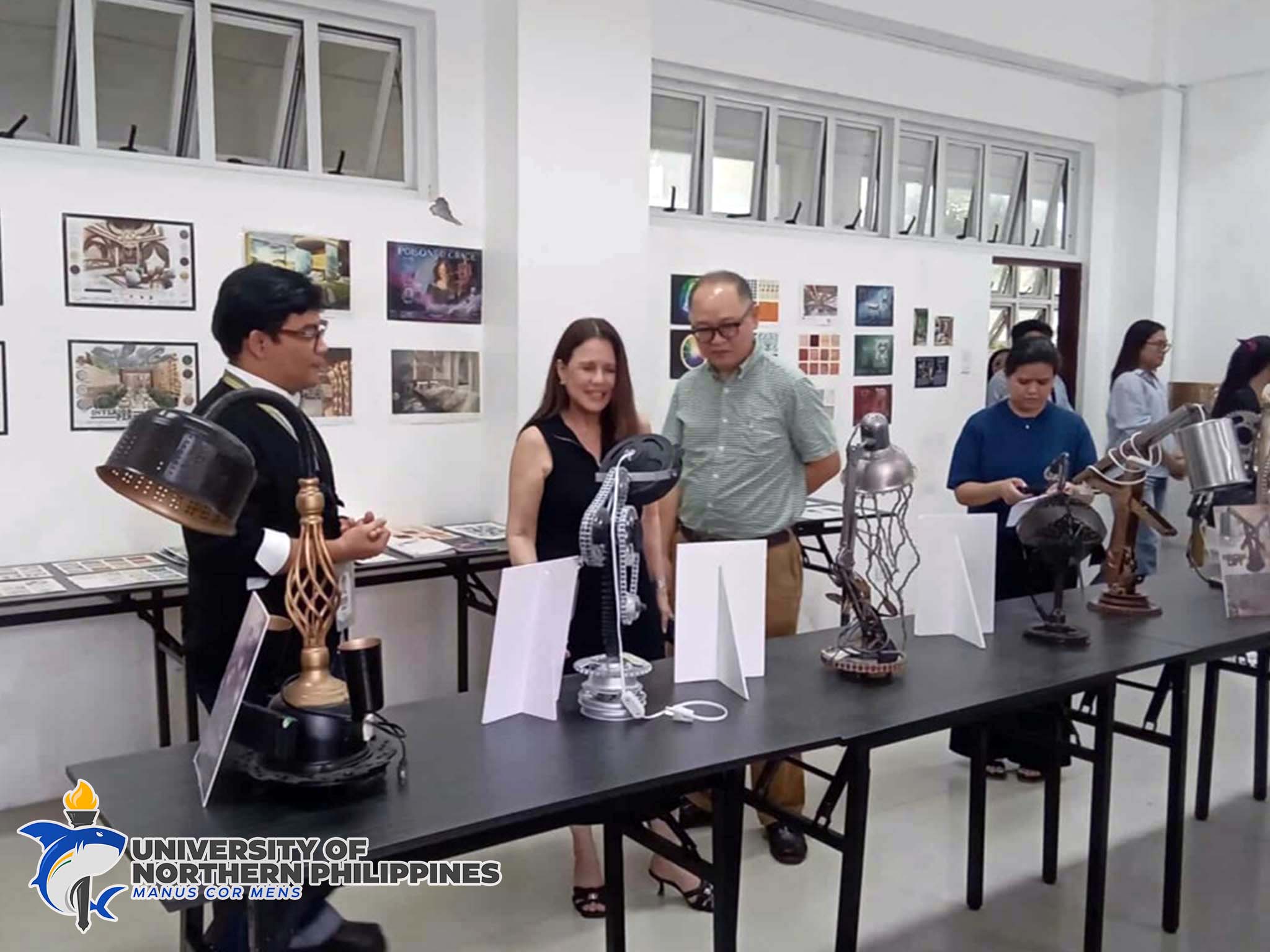
The inspection team likewise appreciated the presentation of students’ design projects, plates, and other course requirements, which showcased the students’ creativity, technical skills, and design development processes. The exhibit provided the evaluators with an opportunity to appreciate the quality of student outputs and the learning experiences provided by the program.
Adding to the positive assessment, the PRC team congratulated UNP and the College of Fine Arts and Design for the program’s performance in this year’s Interior Design Licensure Examination, as well as for its achievements in national interior design student competitions. These accomplishments were recognized as significant indicators of the program’s continuing efforts to prepare its students for professional practice and competitive opportunities in the field.
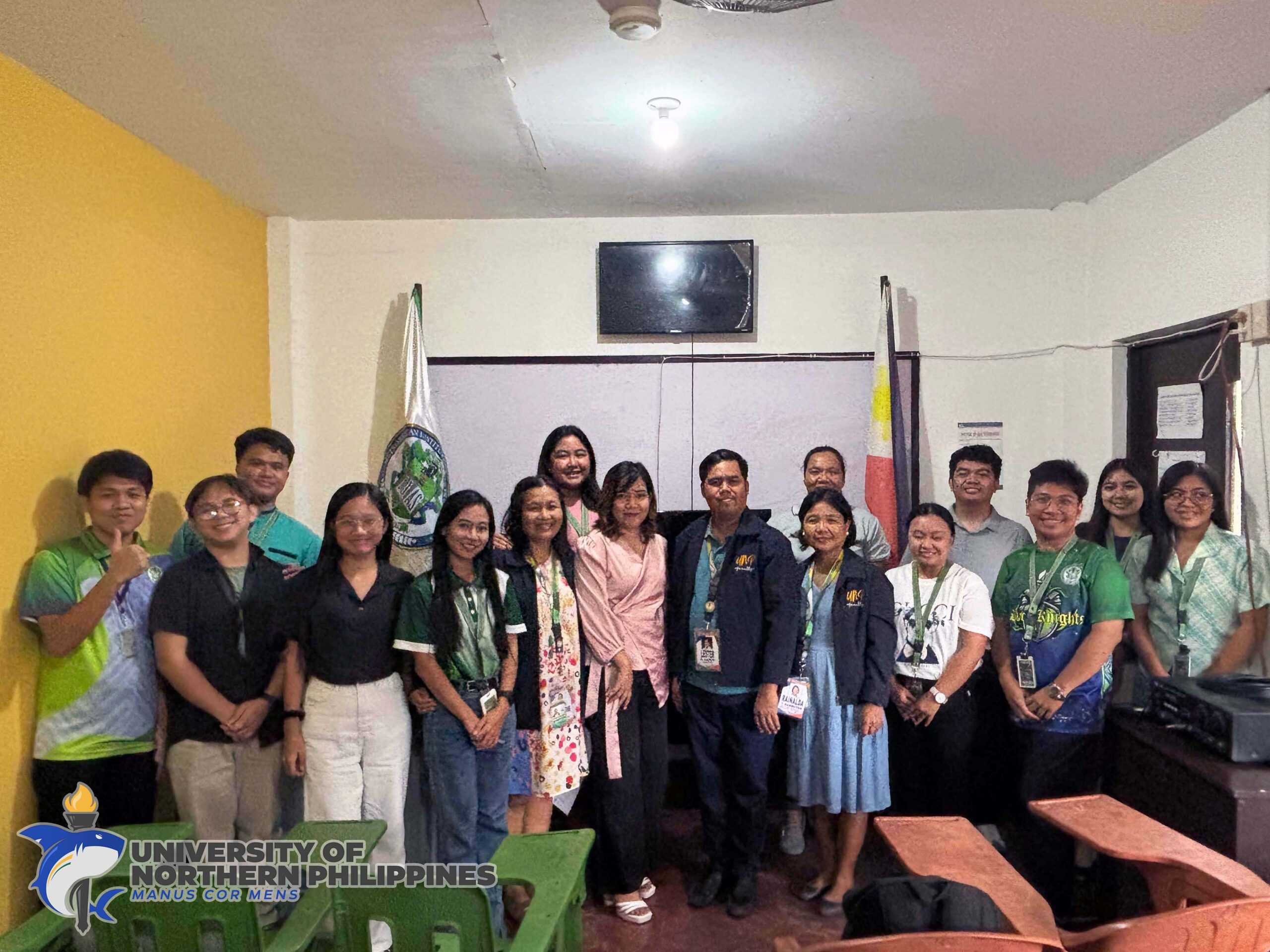
As part of the monitoring visit, the PRC team also conducted a forum with UNP’s newly licensed interior designers. The young professionals shared their experiences, insights, and reflections on preparing for and entering the profession, providing valuable perspectives for current students and faculty members.
The PRC’s affirmation of compliance emphasizes UNP’s continuing commitment to quality assurance, professional excellence, and the continuous improvement of its Interior Design Program. The recommendations provided by the PRC will serve as valuable directions for further strengthening the program and ensuring that its graduates remain well-prepared to address the evolving demands and challenges of the interior design profession.
Article by Frederick B. Hernandez