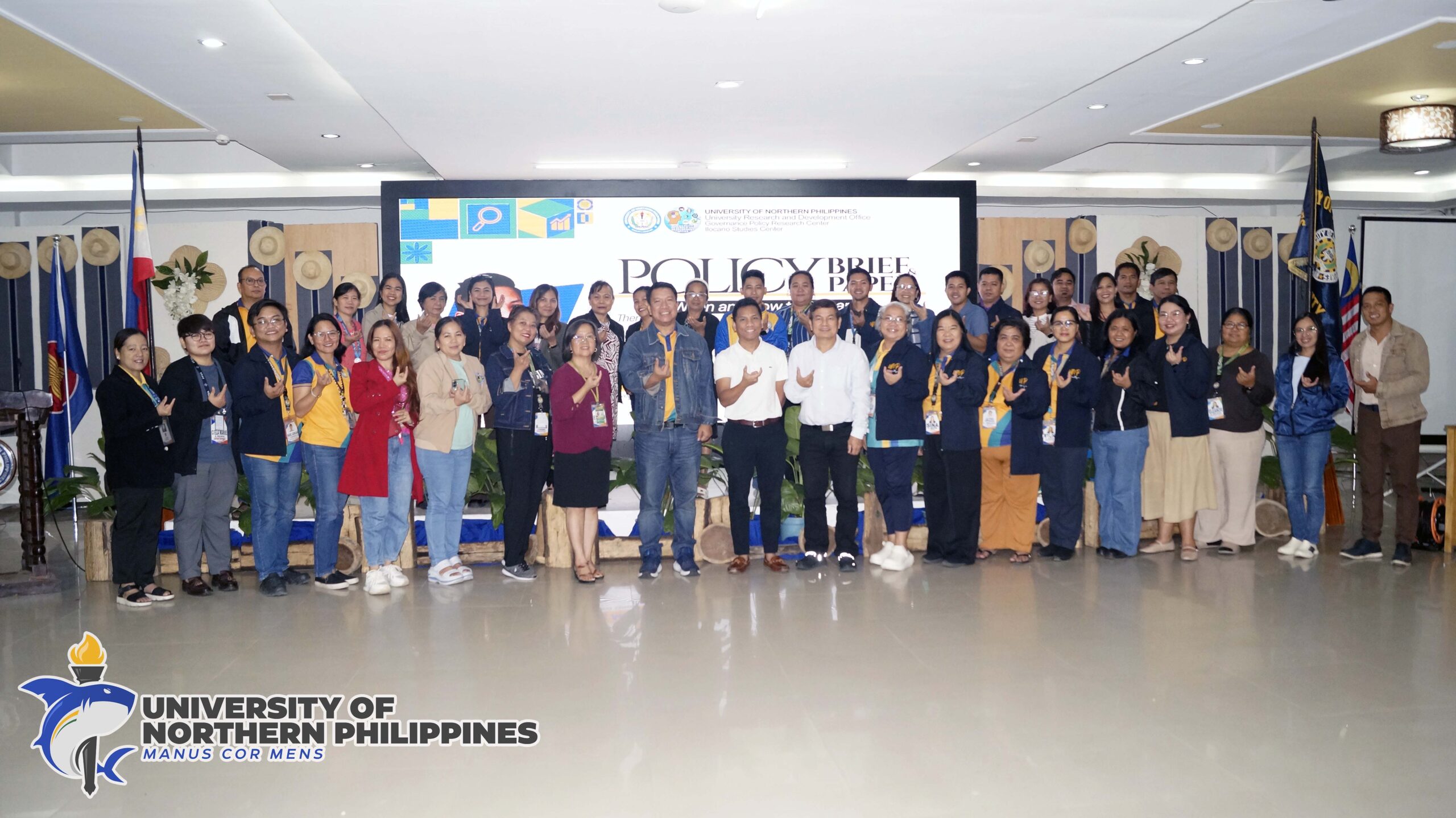
The University of Northern Philippines conducted its 3rd Annual Capacity Building for National Service Training Program (NSTP) Implementation on August 13–14, 2026 at the Hostel Function Hall.
Designed to strengthen the quality and effectiveness of NSTP instruction, the two-day activity brought together faculty members in a focused capacity-building initiative aimed to enhance their competencies and instructional practices. The program was jointly organized by the Office of the Vice President for Academic Affairs, the Instruction and Faculty Development Office (IFDO), and the National Service Training Program, highlighting the University’s sustained commitment to equip its faculty with the knowledge, skills, and strategies needed to deliver responsive and impactful NSTP courses.
The first day focused on relevant teaching strategies, learning assessment, environmental protection, disaster risk reduction and management, leadership development, and student welfare.
UNP President Dr. Erwin Cadorna emphasized the transformative role of the National Service Training Program in preparing students to become responsible, engaged, and community-oriented citizens. In his message, he stressed that effective NSTP implementation goes beyond classroom instruction, serving as a vital platform for nurturing civic consciousness, sharpening leadership skills, and fostering a deep sense of social responsibility among the University’s students.
Meanwhile, Vice President for Academic Affairs Dr. Rolando Navarro set an uplifting tone for the activity by highlighting the importance of hard work, perseverance, and dedication in navigating the demands of academic life. He encouraged faculty members to embrace both the challenges and rewarding moments of their profession, emphasizing that meaningful accomplishments are built through sustained effort while finding joy, fulfillment, and purpose throughout the journey. Together, their messages reinforced the University’s commitment to quality instruction, faculty development, and the holistic formation of students through NSTP.
Dr. Luzviminda Relon, Director of IFDO was also present along with the UNP ROTC Commandant Col. Renato Magluyan (OS) PA represented by TSG. Leonardo D. Garasin, (INF) PA Admin NCO – UNP ROTC Unit, and UNP-ROTC Coordinator, Mr. Raffy Celedonio.
Prof. Lester Aaron, Head of the Curriculum and Instructional Materials Development Unit, discussed Teaching NSTP Effectively Through Relevant Teaching Strategies. His presentation highlighted approaches that may help instructors make NSTP lessons more engaging, practical, and responsive to students’ needs.
Dr. Mark Angelo Reotutar, Program Head of the Master of Arts in Management Education, talked about Assessing Learning Outcomes for NSTP Courses. He emphasized the importance of using appropriate assessment methods to measure students’ knowledge, skills, values, and participation in NSTP activities.
The Environmental Protection component was presented by Dr. Bondee Peñaflor, Program Head of the Bachelor of Science in Environmental Science, who discussed the role of NSTP in promoting environmental awareness and responsible stewardship among students.
Prof. Jastin Soria, Disaster Risk Reduction and Management Coordinator, discussed Disaster Awareness, Preparedness, and Management, emphasizing the importance of equipping students with the knowledge and skills necessary to respond effectively to emergencies and disasters.
The program also featured discussion on Leadership Training led by Prof. Randolfo Lopez, Head of the Student Development Services Office. The session focused on developing leadership qualities and encouraging students to become responsible and proactive members of their communities.
The first day’s sessions concluded with the discussion by Prof. Arnold Pio, Assistant Head of the Student Discipline and Human Rights and Drug Education Services, who discussed matters related to student discipline, human rights, and drug education.
The second day began with Mr. Glenn Aludino, faculty member of the Laboratory Schools, who discussed Citizenship Training. His presentation emphasized the importance of developing students’ understanding of their rights, responsibilities, and roles as active and responsible members of society.
Dr. Aldrin Jaramilla, Faculty Union President, followed with a discussion on Self-Awareness and Values Development. The session highlighted the role of self-understanding and positive values in shaping students’ character, decision-making, and relationships with others.
Meanwhile, Dr. Arlan Reburon, University Volunteerism Focal Person, discussed National Security, focusing on the responsibility of students and citizens to contribute to the peace, safety, and stability of the nation.
The importance of foundational learning was presented by Dr. Laura Dane Rafanan of the Laboratory Schools, who talked about Literacy and Numeracy. The discussion highlighted the value of basic reading, writing, and mathematical skills in promoting inclusive learning and meaningful community participation.
Dr. Jeanina Batin, Program Head of the Master of Arts in Teaching Learning and Evaluation–Home Economics, discussed Community Service and Learning. She emphasized the integration of academic learning with community-based experiences to help students apply their knowledge while responding to genuine community needs.
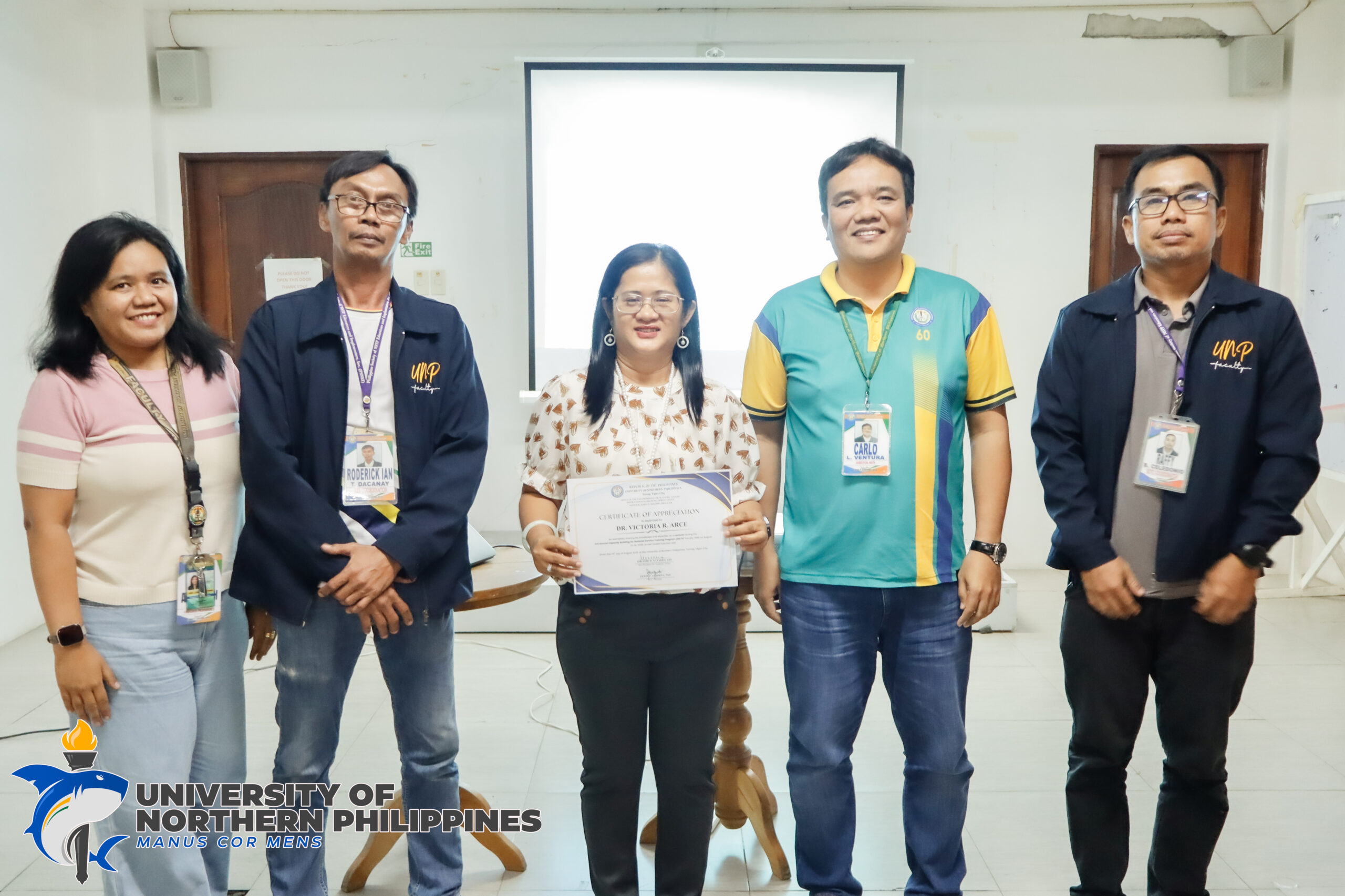
The program also featured Dr. Victoria Arce, who talked about Gender and Development. Her presentation promoted gender sensitivity, equality, inclusivity, and respect for the dignity and rights of all individuals.
The two-day training was capped by Dr. Carlo Ventura, Director of the National Service Training Program, who provided insights on the effective implementation of NSTP and the shared responsibility of educators in guiding students toward active citizenship and community involvement.
The discussions reinforced UNP’s commitment to enhance NSTP implementation through purposeful instruction, values formation, volunteerism, and community engagement. Together with the first-day sessions, the activity provided NSTP implementers with a comprehensive framework for developing students’ civic consciousness, leadership, social responsibility, and readiness to serve the nation.
The capacity-building activity forms part of UNP’s continuing efforts to improve NSTP instruction and ensure that the program contributes meaningfully to the holistic development of students. The sessions also provided faculty members and NSTP implementers with opportunities to strengthen collaboration and share practices for more effective program delivery.